

 Dublin Square - Phoenix Marketcity, Mumbai, India
31st July 2026
Girish and The Chronicles
There are periods when life becomes remarkably efficient at filling every available gap. Returning to Mumbai after several weeks away did not exactly result in the gentle transition back into everyday routine one might have hoped for. Weekend duties, actual construction sites, accumulated work and the usual collection of unexpected obstacles quickly took care of that, while uninterrupted concentration became something of a luxury. And so another concert review remained unwritten considerably longer than intended.
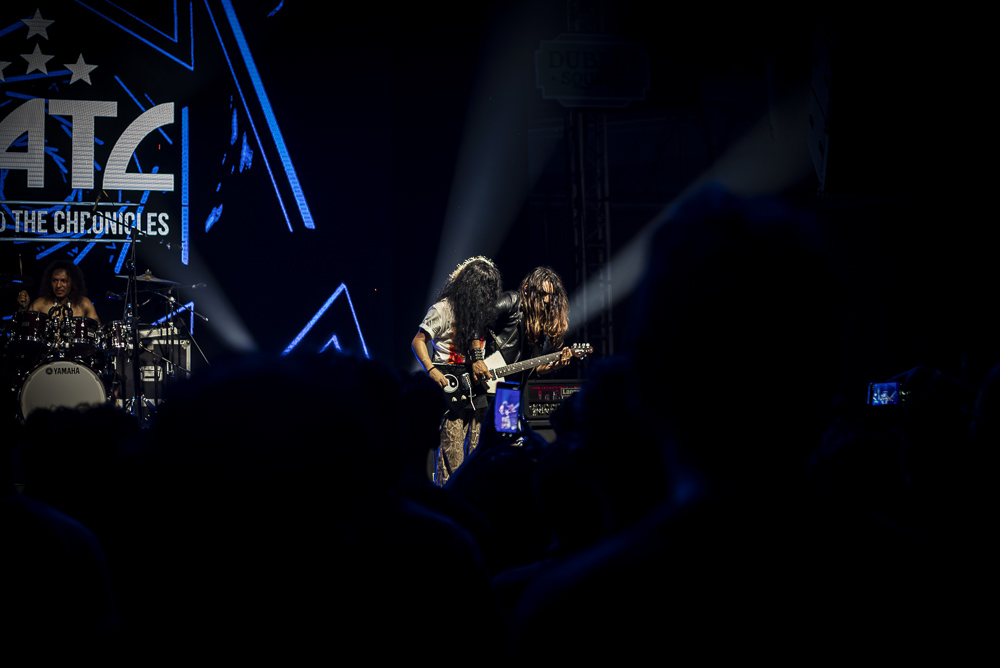
Which is slightly ironic, because there was very little about GIRISH AND THE CHRONICLES at Dublin Square that deserved to disappear quietly into an unfinished folder. Looking back at the evening of 31st July now, one detail remains particularly striking: there were fewer people in front of the stage than might reasonably have been expected for a band whose international profile has grown substantially in recent years. Dublin Square was by no means deserted, and those who had come were visibly determined to enjoy themselves, but considering GIRISH AND THE CHRONICLES’ reputation, achievements and sheer quality as a live band, the amount of space around the audience was surprising.
Then the band started playing. And within a remarkably short space of time, attendance figures stopped mattering. Because GIRISH AND THE CHRONICLES did not perform like a band calculating how many people had bought a ticket. They performed like a band that had been given a stage, amplifiers and an audience - and regarded that as sufficient reason to give everything they had. Sometimes a packed room creates the atmosphere. Sometimes the musicians simply do it themselves.
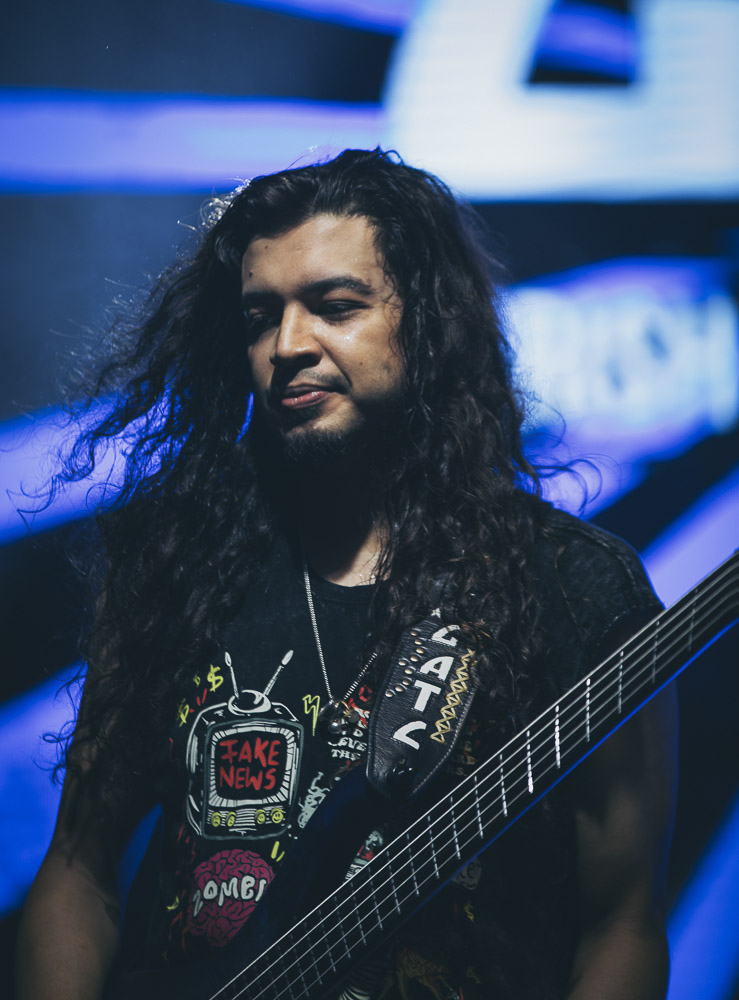
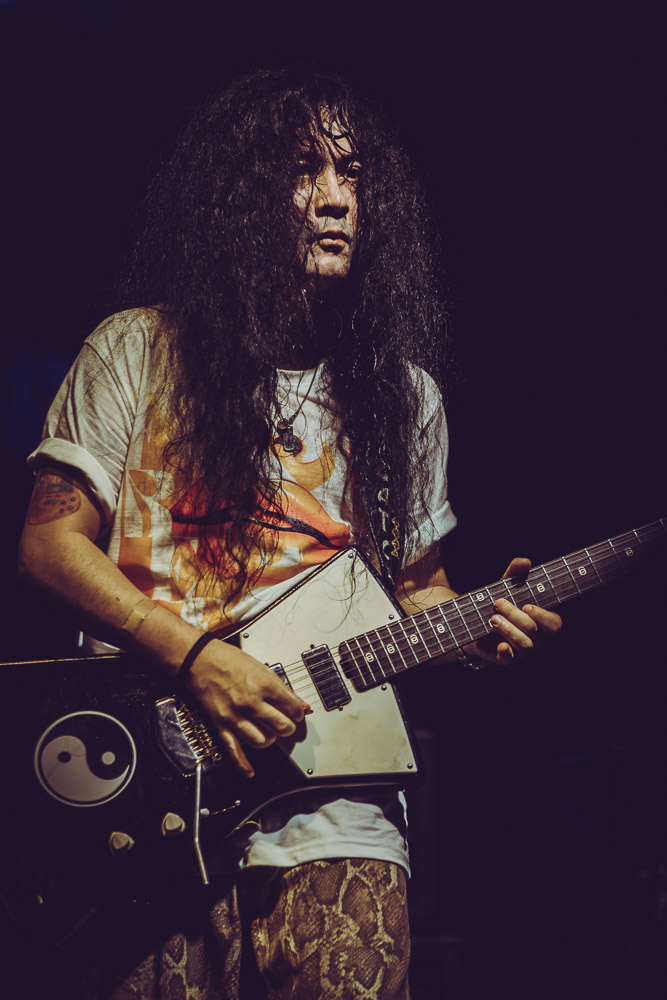
For anyone discovering GIRISH AND THE CHRONICLES only through their more recent international exposure, it would be easy to assume that their rise happened quickly. In reality, very little about the band’s story has been sudden. Originating in Sikkim and officially formed in 2009, GATC have spent well over a decade developing a distinctly old-school combination of Hard Rock, Heavy Metal and Melodic Rock. The current line-up consists of vocalist and guitarist Girish Pradhan, lead guitarist Suraz Karki, bassist Yogesh Pradhan and drummer Nagen Mongrati. Although their roots remain firmly connected to India’s north-east, the band has been based in Bengaluru since 2013.
Their musical DNA is hardly disguised. Led ZEPPELIN, DEEP PURPLE, AC/DC, IRON MAIDEN and GUNS N’ ROSES are all deeply embedded in the sound, along with the excess, melody and theatrical confidence of 1980s Hard Rock and Heavy Metal. Yet reducing GATC to nostalgia would miss the point entirely. They are not a retro tribute act trying to recreate somebody else’s decade. This music is simply their native language.
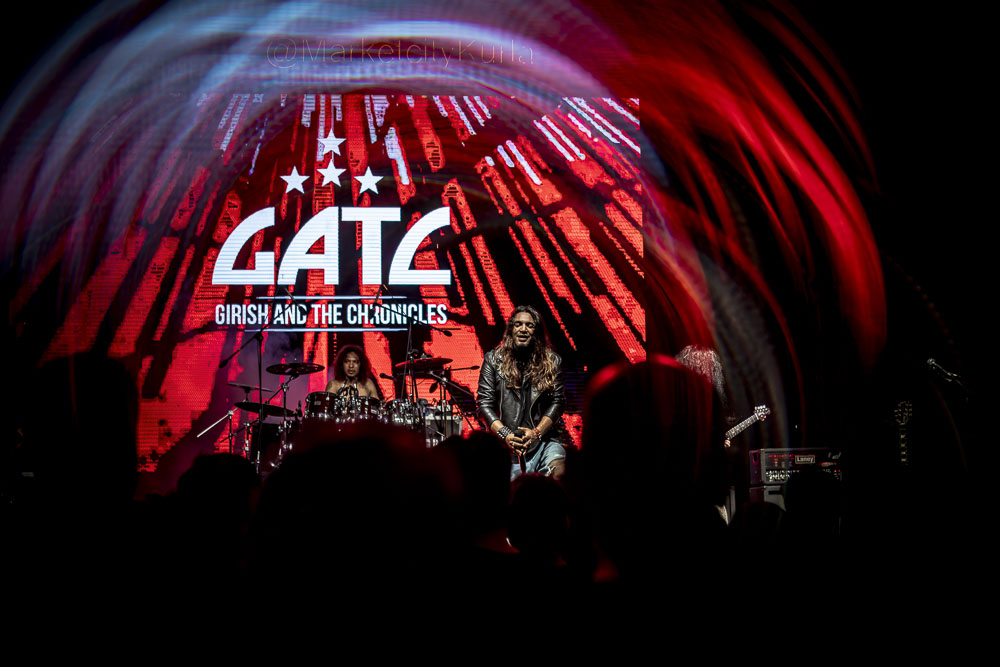
That distinction becomes particularly clear on stage. The hair, the high notes, the screaming guitars and gloriously unapologetic Rock‘n’Roll attitude may draw heavily on a familiar tradition, but none of it feels like costume. There is no ironic distance and no attempt to modernise the material simply for the sake of appearing contemporary. GIRISH AND THE CHRONICLES play this kind of music because they quite obviously love it. And love, when combined with this degree of musicianship, can still be remarkably convincing.
The band’s recorded history began with ‘Back on Earth’ in 2014, followed by ‘Rock the Highway’ in 2020 and ‘Hail to the Heroes’ in 2022. Over the years they have shared stages with or supported artists including HOOBASTANK, POETS OF THE FALL, DESTRUCTION, SKID ROW, NAZARETH and GUNS N’ ROSES, steadily expanding a career that began far from the traditional centres of the international Rock industry.

That international journey took another considerable step in 2025 when GIRISH AND THE CHRONICLES appeared on the twentieth season of America’s Got Talent. Their decision to transform ADELE’s ‘Set Fire to the Rain’ into a full-blooded Hard Rock performance proved sufficiently effective to carry them through to the quarter-finals. It was an unusual route for a band so deeply rooted in classic Hard Rock, but also an effective reminder that technical ability and sheer musical presence still translate beyond genre boundaries. By 2026, international touring had become an increasingly significant part of the picture, including the band’s first Australian run. And that makes what happened in Mumbai particularly interesting.
Music & Performance
Here was a band that had already performed before international television audiences, shared stages with some of the names that originally shaped their musical world and built an increasingly visible profile outside India. Yet Dublin Square somehow did not feel packed. It would have been very easy for that discrepancy to affect the show. It did not. From the first few minutes, GIRISH AND THE CHRONICLES attacked the stage with the kind of commitment normally associated with much larger crowds. If there was any disappointment behind the scenes about numbers, none of it crossed the front edge of the stage.

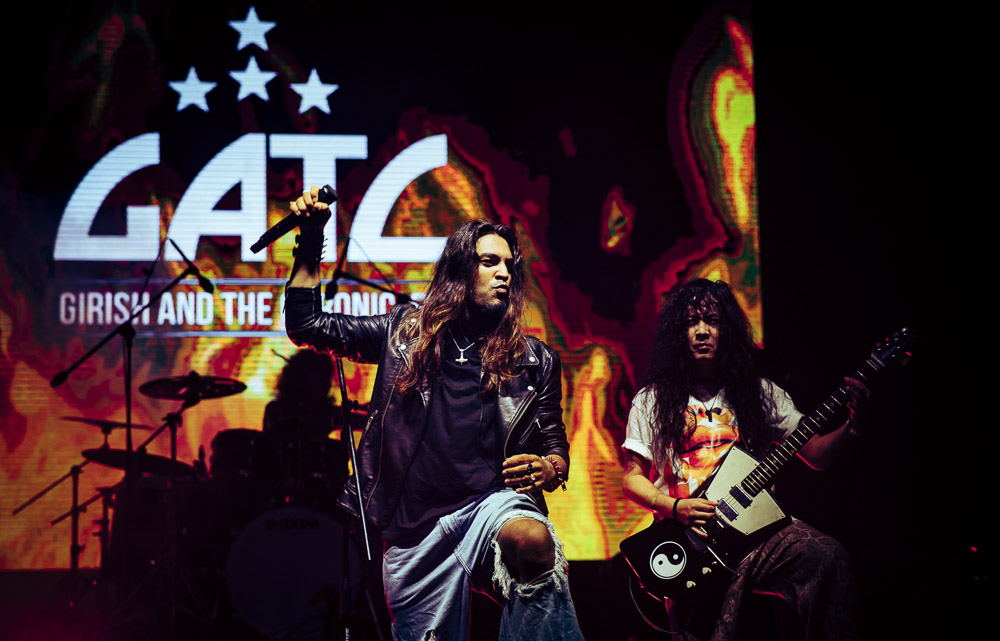
Girish Pradhan remains the obvious focal point, and for good reason. His voice is frankly ridiculous. Not ridiculous in the sense of excess for its own sake, but in the sheer ease with which he appears capable of moving from powerful mid-range vocals into sustained high notes and classic Metal screams that many singers would approach with considerably greater caution. There is a technical confidence behind the performance, but importantly it never becomes sterile. The impressive range matters because there is personality behind it. A voice like that can easily dominate an entire band. Here, it does not.
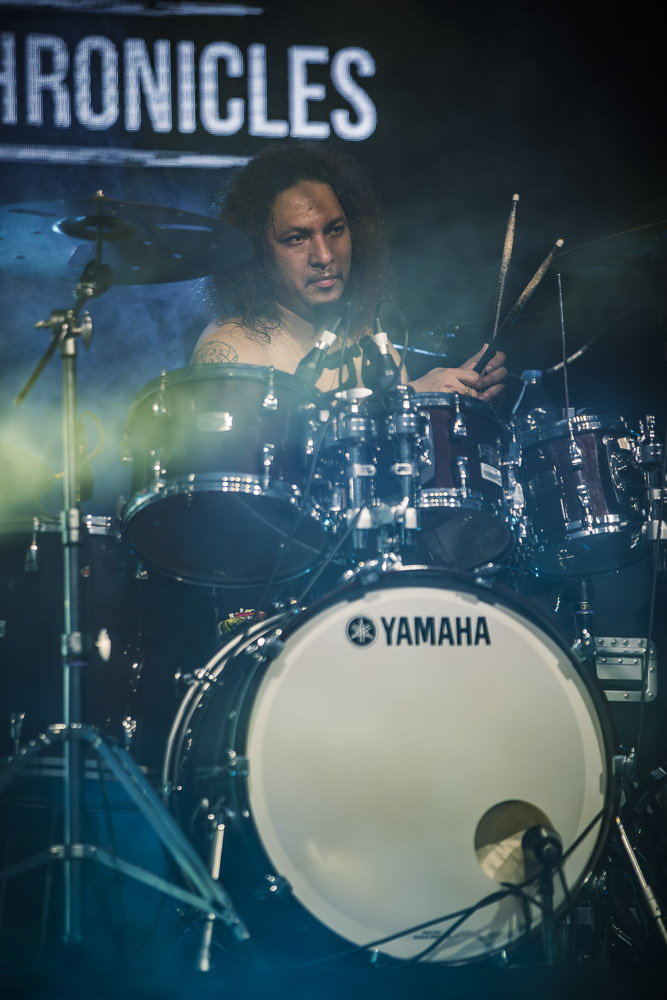
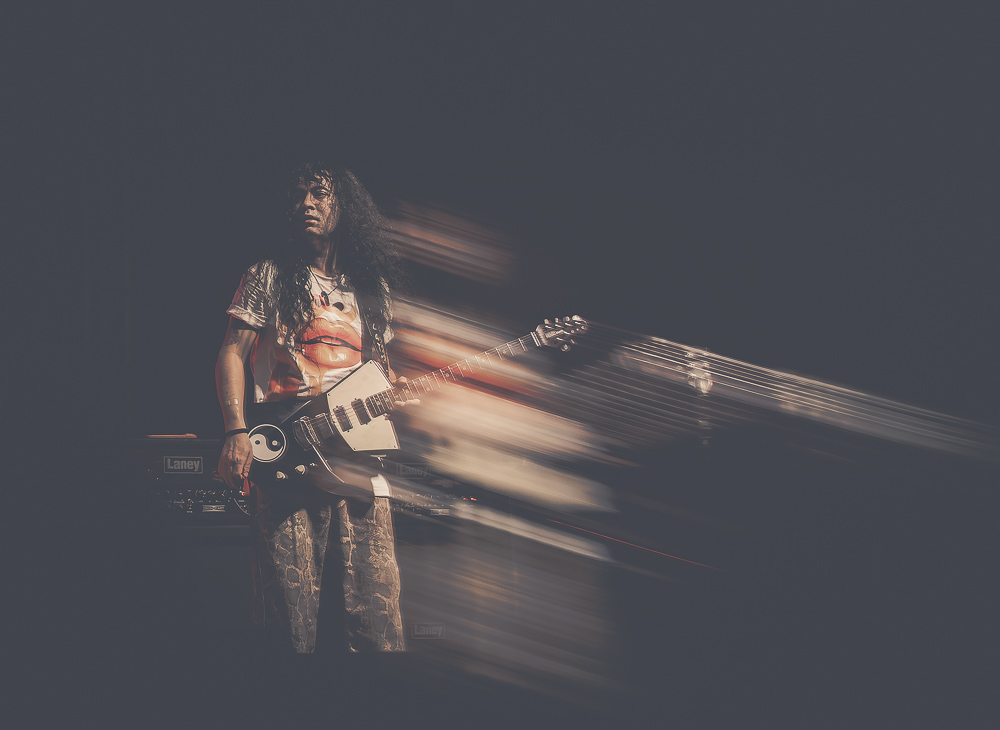
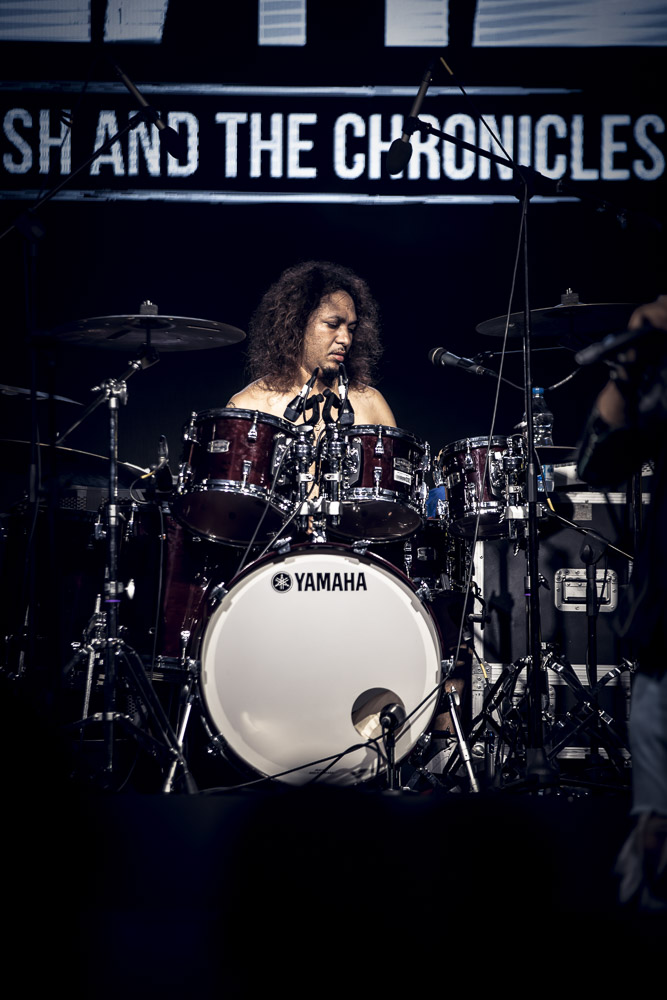
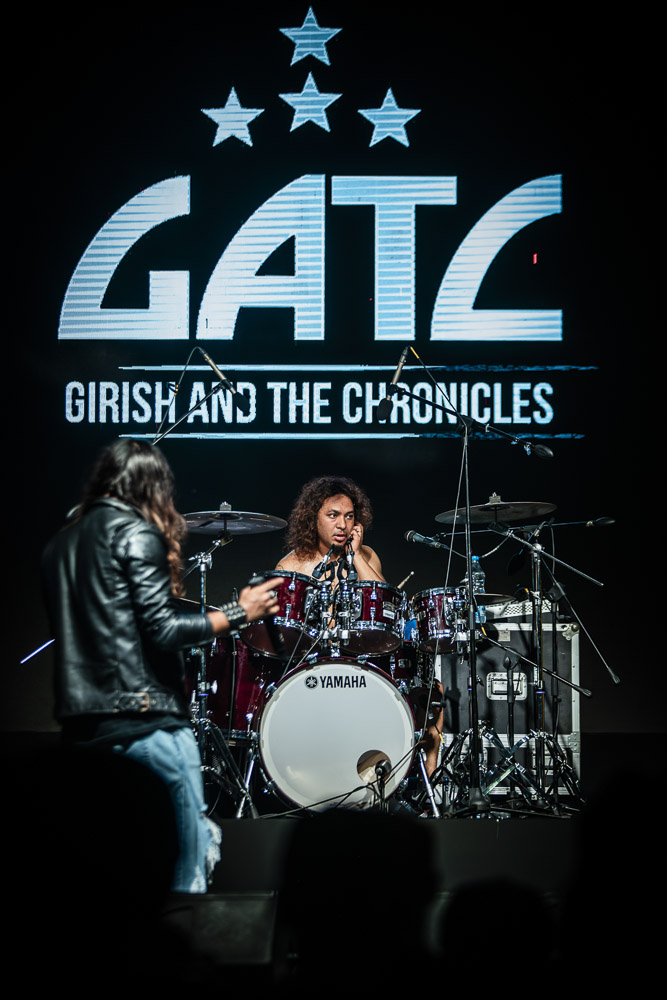
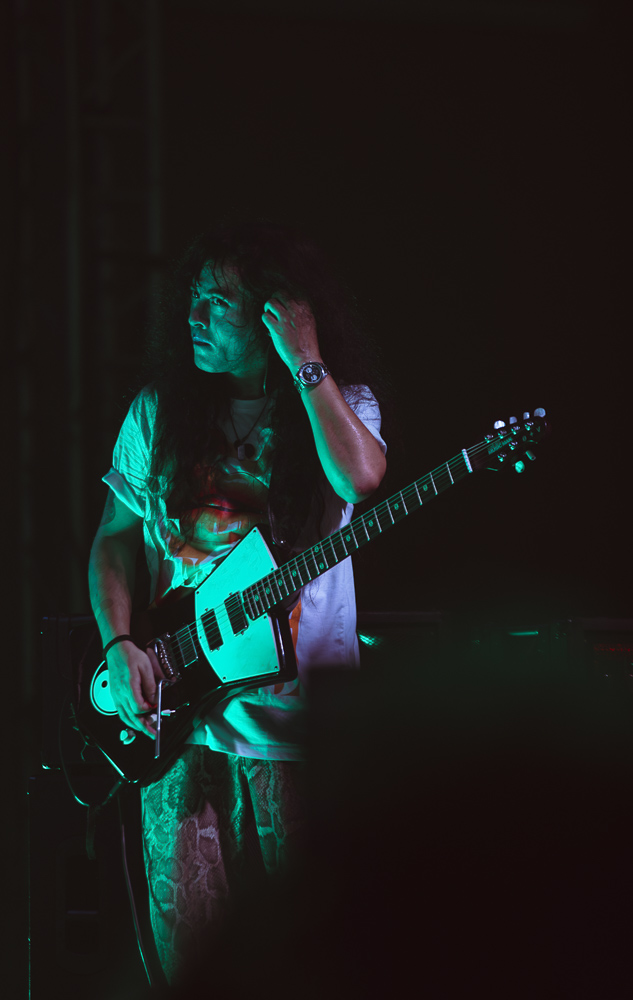
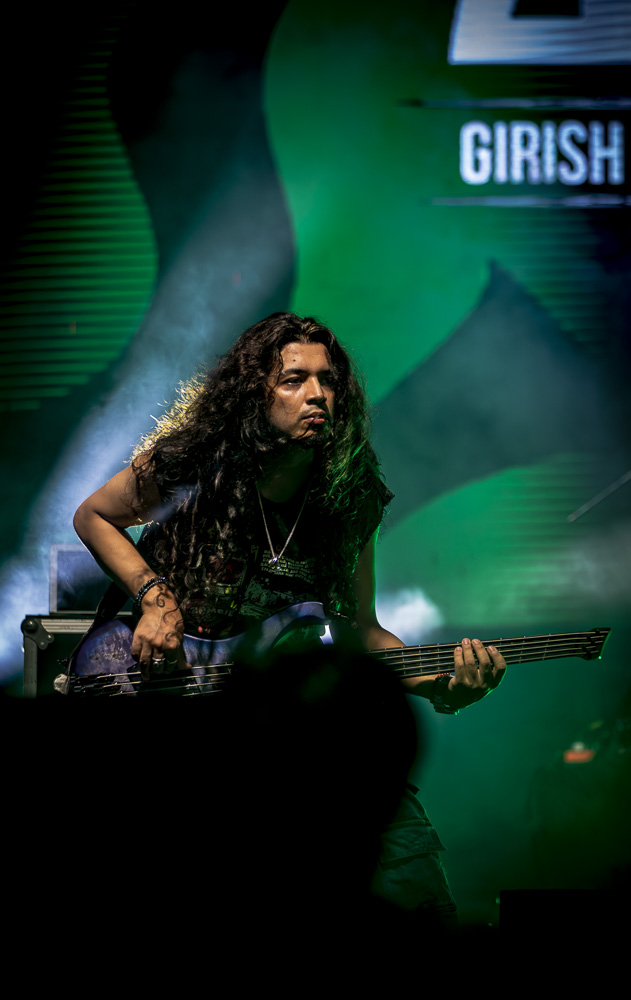
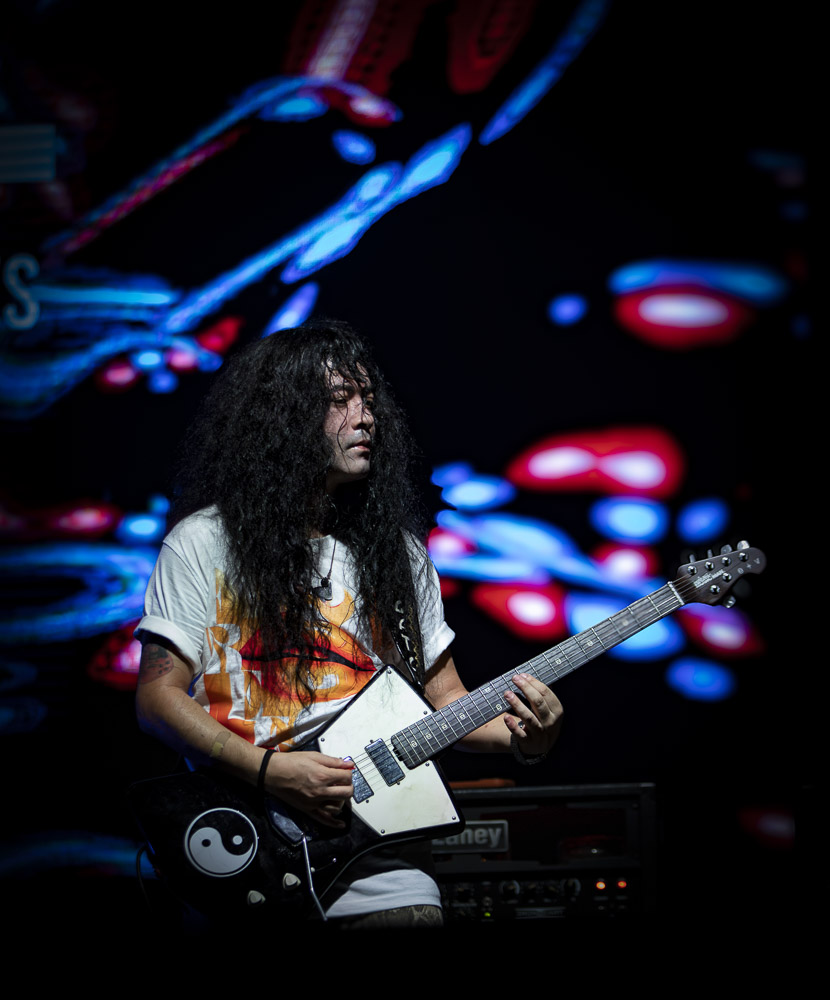
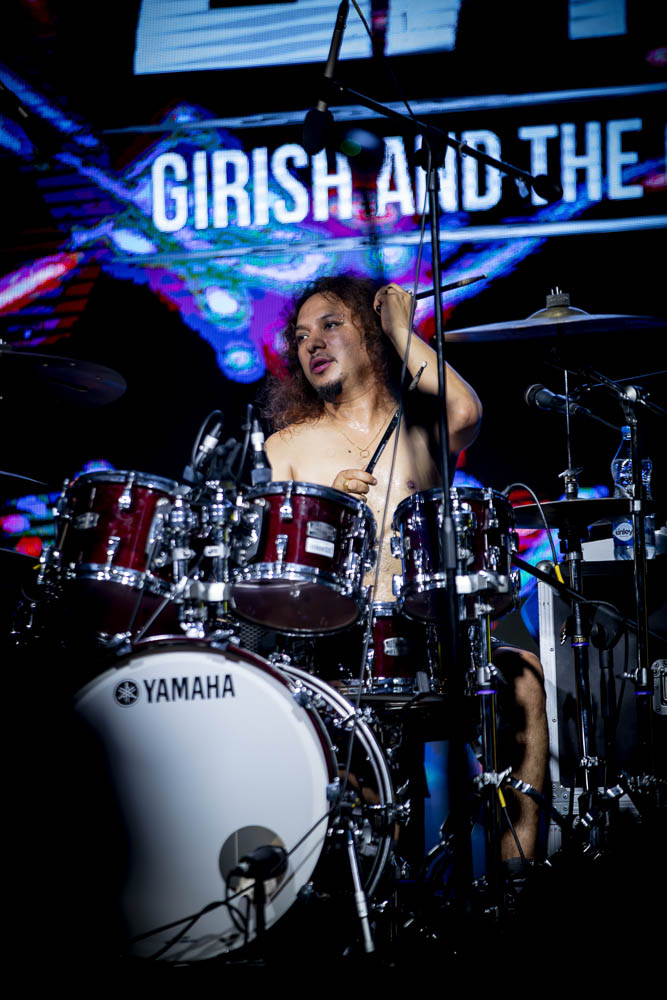
Suraz Karki’s guitar work provides an equally important part of the GATC identity. His playing carries all the vocabulary one expects from classic Hard Rock - riffs, bends, melodic runs and solos designed to be noticed - without collapsing into empty virtuosity. There is flair, certainly, but it remains connected to the songs. Yogesh Pradhan and Nagen Mongrati give the entire operation its physical weight. Bass and drums are not treated merely as a foundation for vocal acrobatics and guitar solos; they drive the performance forward with enough force to make Dublin Square feel considerably more occupied than it actually was.
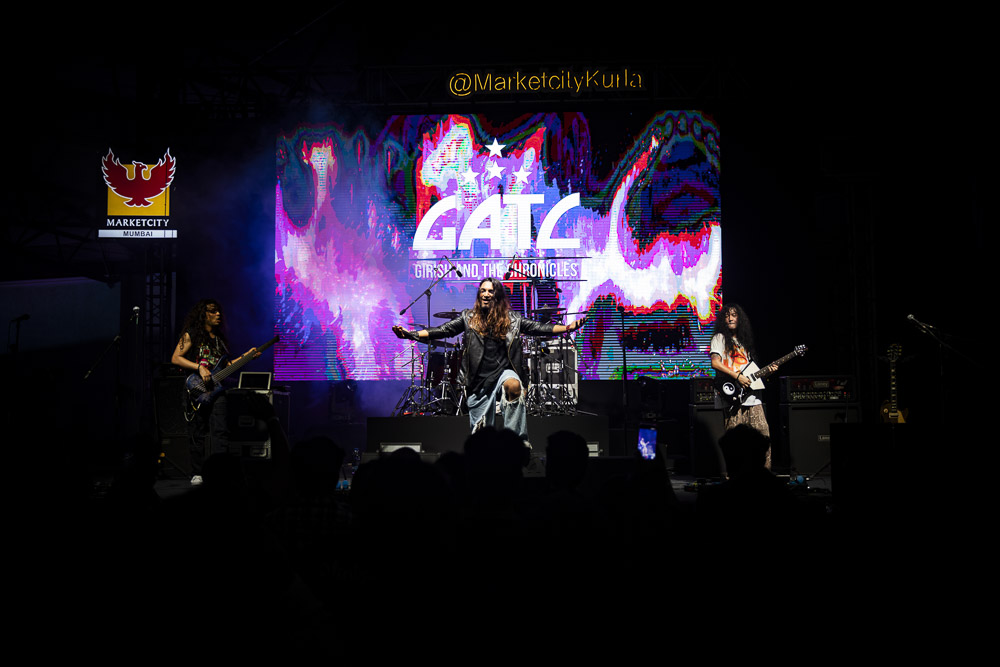
That is perhaps the simplest way to describe the show. It sounded bigger than the room looked. There was an almost endearing absence of restraint about it. GIRISH AND THE CHRONICLES understand that this kind of Rock music depends partly on commitment. Half measures would render the entire thing absurd. If you are going to play music indebted to the era of huge choruses, dramatic guitar solos and vocalists reaching for seemingly impossible notes, you have to believe in it completely. They do. And so did the people standing in front of them.
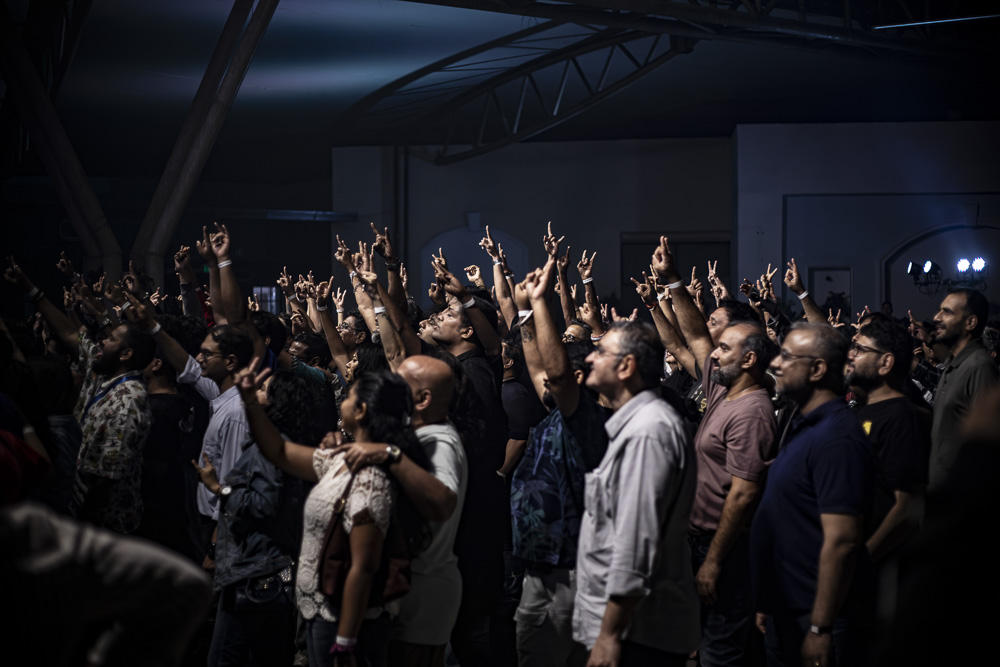
The audience may not have filled every available corner of Dublin Square, but the people who were there were engaged from beginning to end. There was movement, singing, raised hands and the uncomplicated pleasure of watching a band deliver exactly the sort of show everyone had come for. What could have felt sparse instead became intimate. That distinction matters.
A half-empty venue can kill a concert when both audience and artist become self-conscious about it. On this evening, neither appeared particularly interested in doing so. The people near the stage simply moved closer, the energy became concentrated rather than diluted, and the band continued to play as though the size of the crowd was entirely irrelevant. There is something particularly likeable about that.
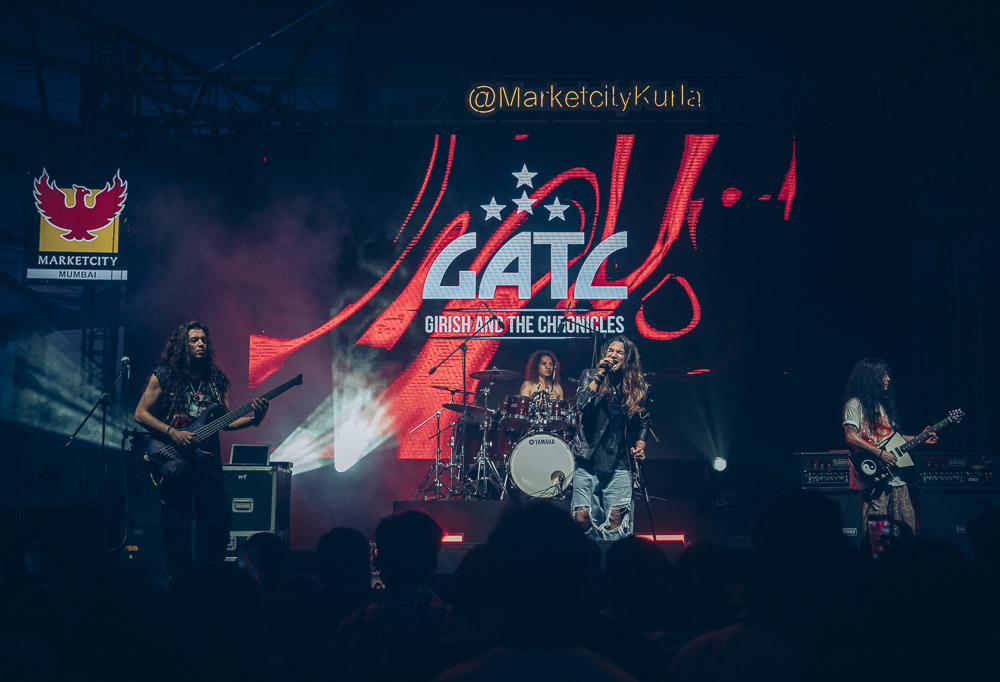
It would also be misleading to present GATC merely as some remarkable exception within Indian Rock - the patronising “surprisingly good for an Indian band” narrative that international coverage can sometimes slip into without apparently noticing. They do not require that qualifier. GIRISH AND THE CHRONICLES are simply an excellent Hard Rock band. Their geographical origin is important because it forms part of their story: musicians emerging from Sikkim, building a career within India, relocating to Bengaluru and eventually taking that music onto international stages. But geography is context, not an excuse for quality.
If anything, their career offers a useful reminder of how narrow international ideas about where Rock music supposedly comes from can still be. Hard Rock does not become less authentic because it originates in Gangtok rather than Los Angeles, Birmingham or Stockholm. At Dublin Square, that argument hardly needed to be made verbally. The band made it themselves.

Their performance moved comfortably between original material and the sort of larger-than-life Rock vocabulary that has always informed their work. The songs from Rock the Highway and Hail to the Heroes sit naturally beside earlier material because GATC have never treated their influences as something they need to escape from. Instead, they have gradually refined the balance between melodic accessibility, heavier riffs and the theatricality that Girish’s voice naturally brings to the music.
The result is unashamedly traditional and, paradoxically, rather refreshing. There is no chasing of whatever currently happens to be fashionable in Alternative music, no obvious attempt to trim the songs into algorithm-friendly fragments and no embarrassment about guitar solos lasting longer than absolutely necessary. Thank goodness for that.
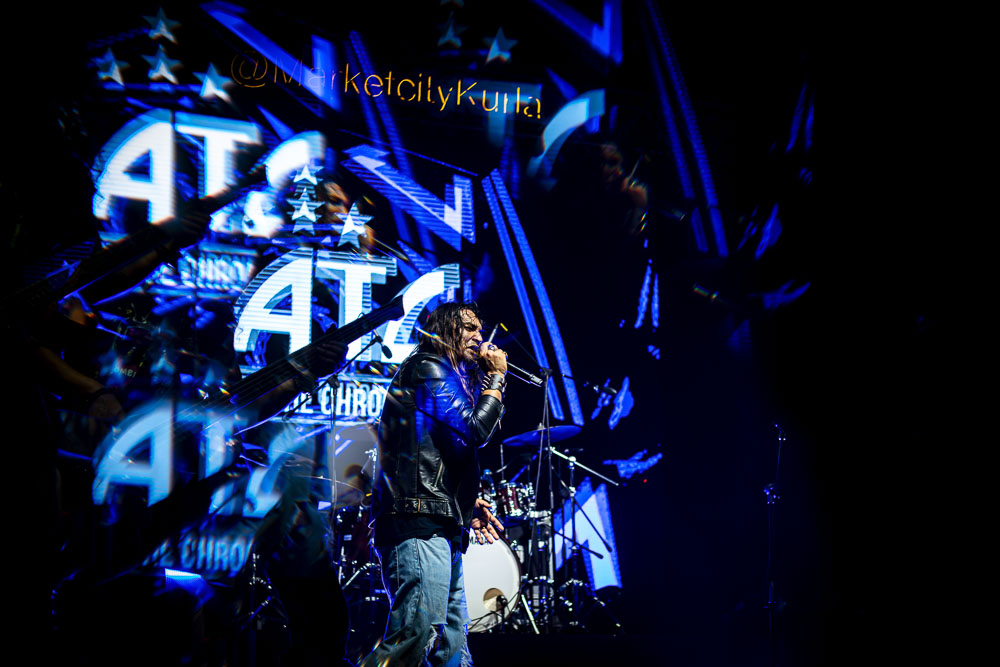
Even their now well-known interpretation of ‘Set Fire to the Rain’ makes sense in this context. On paper, Adele and a Sikkimese Hard Rock band might appear an unlikely combination. In practice, the song becomes an effective demonstration of what GATC do exceptionally well: recognise a strong melody, strip it back to its emotional core and then rebuild it within their own musical language.
Live, the band’s technical ability was matched by an easy confidence between the musicians. There was no sense of four individuals waiting for their respective spotlight moments. Girish may naturally attract attention, but the performance operates through interplay - the eye contact, rhythmic cues, smiles and instinctive shifts that only become convincing when musicians have spent a long time playing together. And that longevity matters.
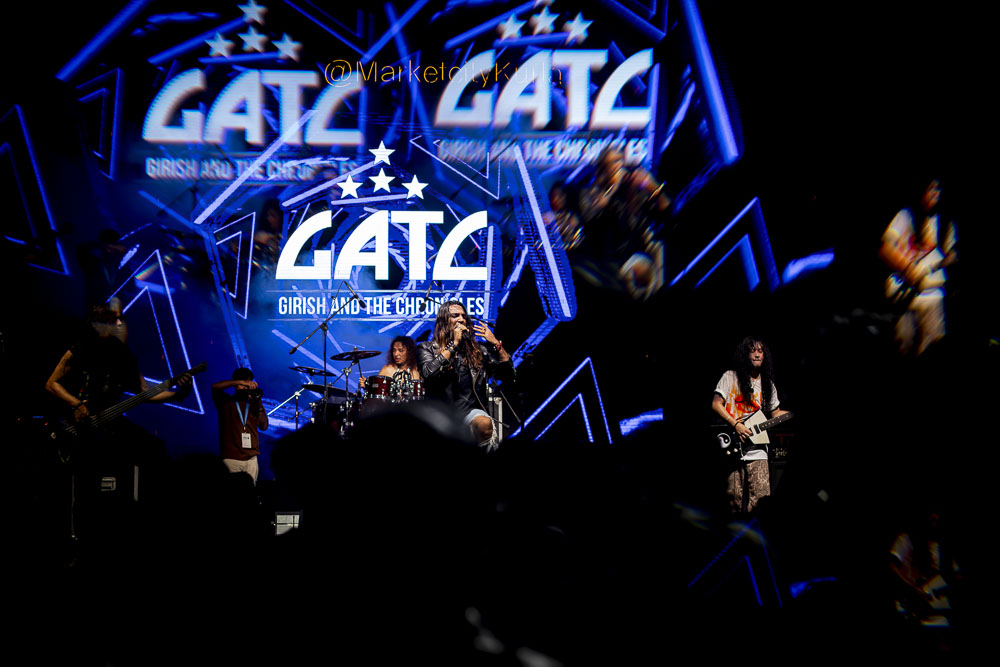
More than fifteen years after the official formation of GIRISH AND THE CHRONICLES, this is not a band still attempting to discover what it wants to sound like. The identity is already firmly established. What has changed is the size of the world paying attention. That makes the surprisingly modest Mumbai turnout all the more curious, but perhaps also less important than it first appeared. Because the people who did come received a show that never treated them as anything less than the audience the band wanted to play for.
There is a certain professional generosity in that: not saving energy for tomorrow, not visibly measuring enthusiasm against ticket sales and not requiring a sea of faces before deciding that the evening deserves commitment. By the final stretch, Dublin Square felt considerably less empty than it had at the beginning. Not because more people had suddenly appeared, but because GIRISH AND THE CHRONICLES had filled the available space with sound, movement and personality.
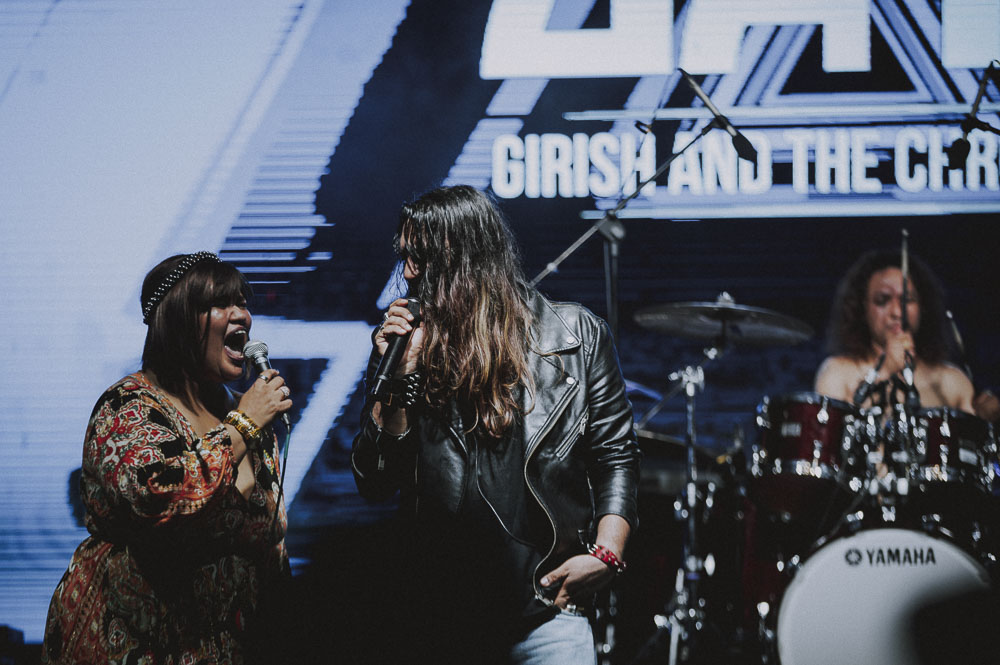
A few weeks later, after weekend shifts, unfinished work and quite literal construction dust had repeatedly pushed this review further down the list, that remains my strongest memory of the night. Not the gaps in the crowd. The noise inside them. GIRISH AND THE CHRONICLES have already achieved enough internationally for the usual “one to watch” phrase to sound rather belated. They have albums behind them, years of touring experience, major support slots and an international television appearance that introduced them to an entirely different audience.
What Dublin Square demonstrated is something simpler and, arguably, more important. They still play as though every individual show matters. Mumbai might have deserved to give them a larger audience that evening. Those who were there, however, got a grandiose Rock show anyway. And perhaps that is the most convincing measure of a live band there is.


























All Pictures by Dagmar Urlbauer