

 antiSOCIAL, Mumbai, India
1st August 2026
Plini & Prey Rock
Some encounters with music are remarkably good at finding their way back into your life. Years may pass, cities change and everyday life has an inconvenient habit of filling whatever space is available - yet occasionally an artist reappears at precisely the right moment. Writing about that moment may take a little longer. Experiencing it, fortunately, does not.
My first encounter with PLINI was during my years in Beijing, and I was immediately taken with music that managed to be technically complex without making complexity its entire purpose. Several years and another city later, PLINI appeared on my concert calendar again - this time in Mumbai. Admittedly, the timing could have been more convenient. Work and other obligations had left rather little room around that weekend, and even the opportunity to cover the concert with my camera only came together shortly before the evening itself.
That made finally walking into antiSOCIAL all the more rewarding. Sometimes it is enough that things work out in the end. And Mumbai was clearly ready for this one. The show was completely sold out - not merely on paper, but in the most physical sense of the term. antiSOCIAL was packed, anticipation was tangible and personal space increasingly theoretical. Before PLINI took the stage, however, the evening offered another reminder of the curious paths music can take.
Prey Rock
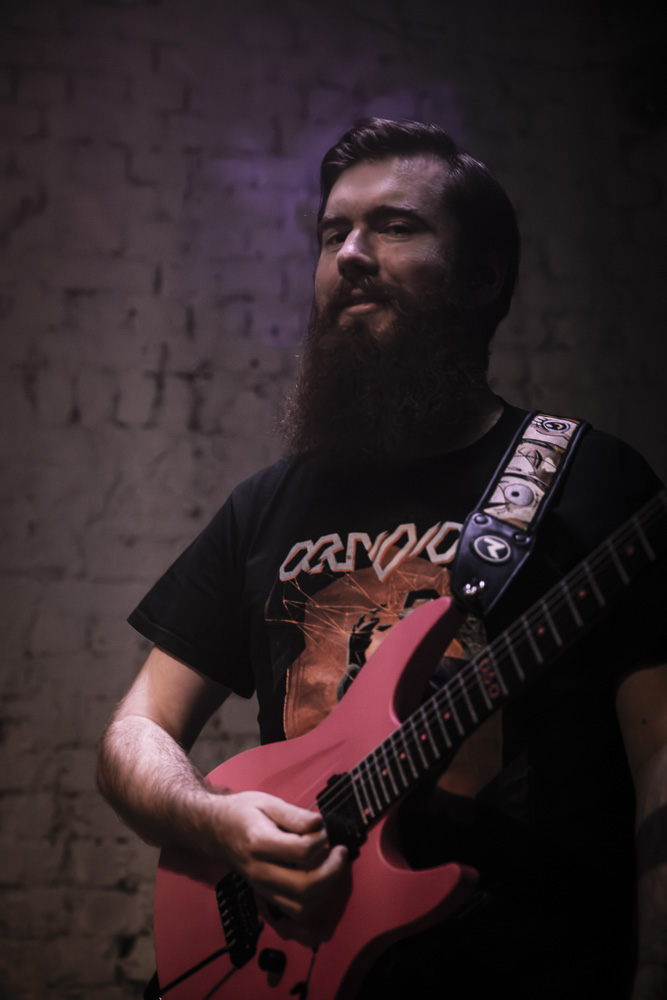
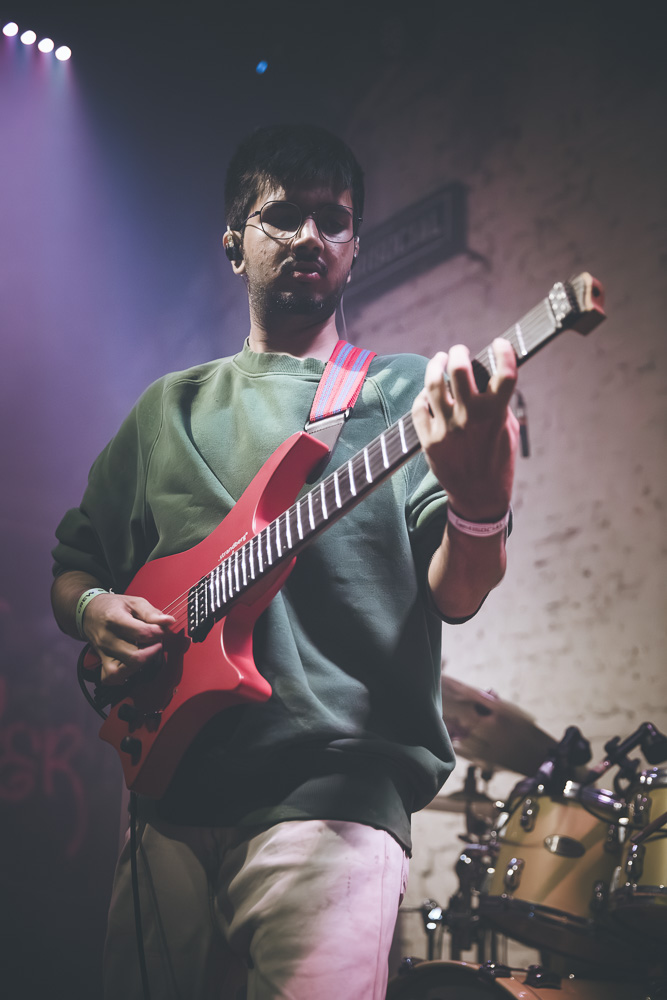
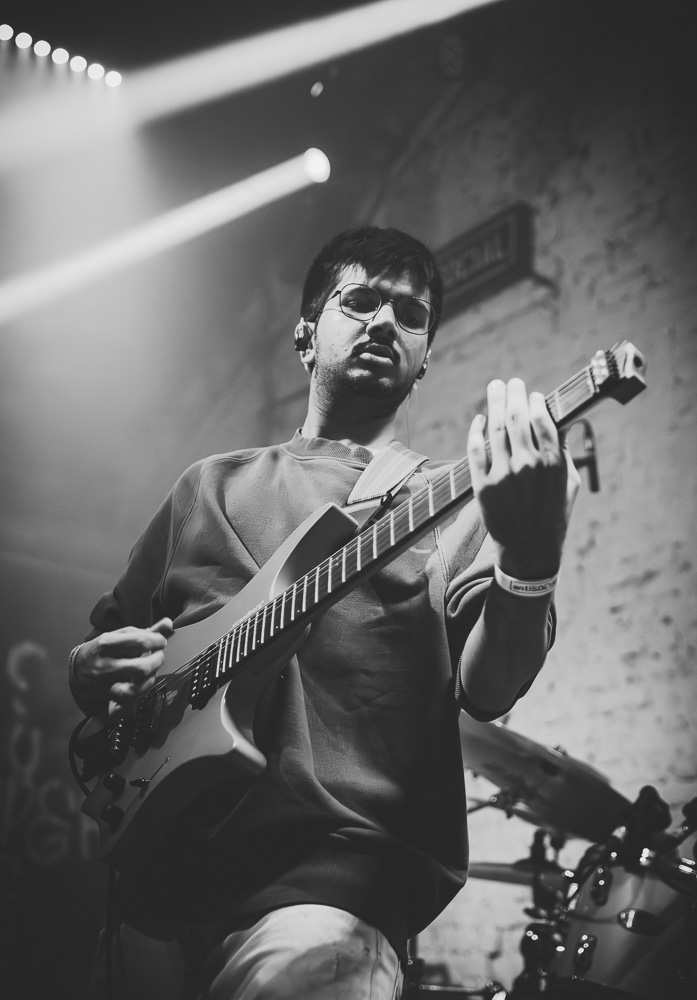
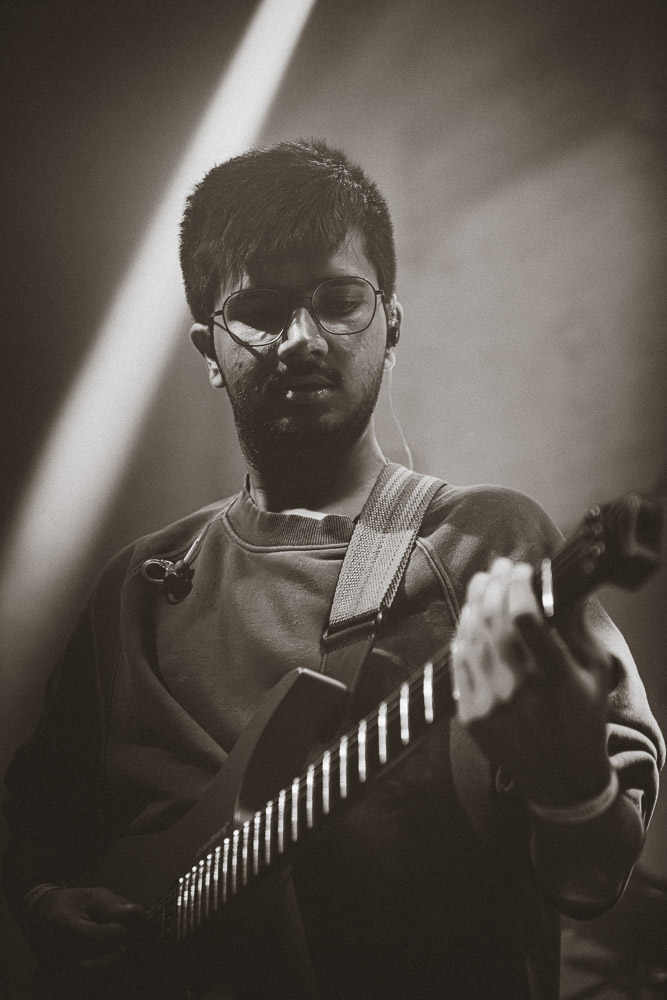
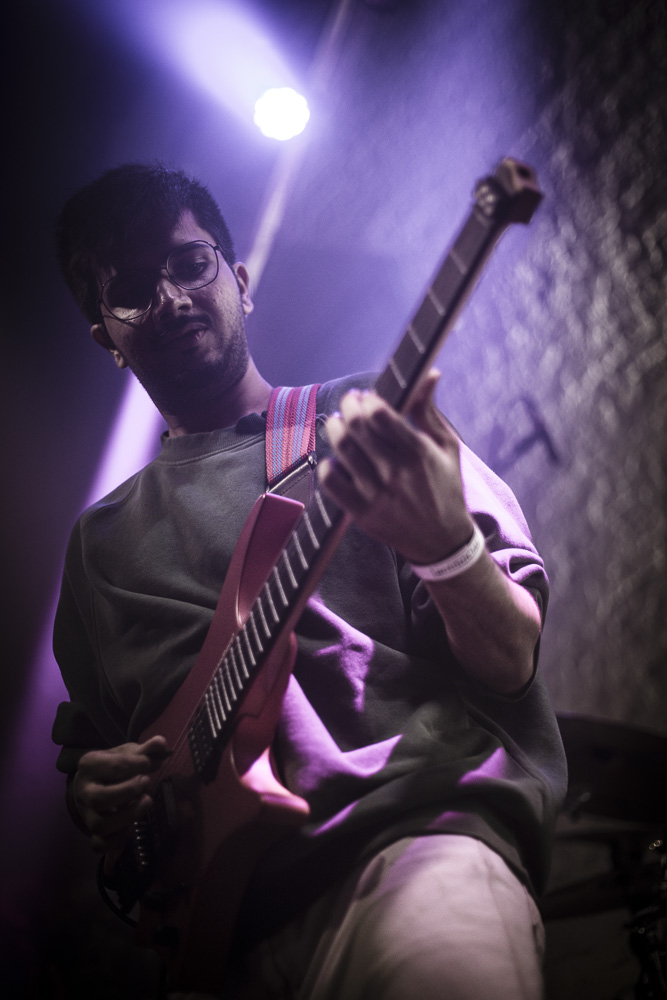
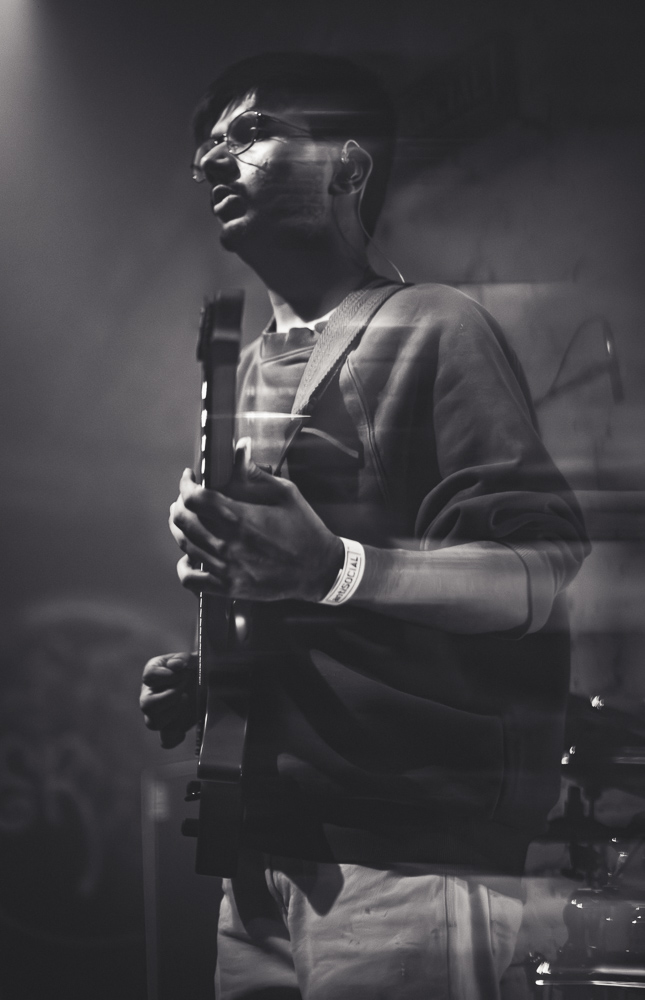
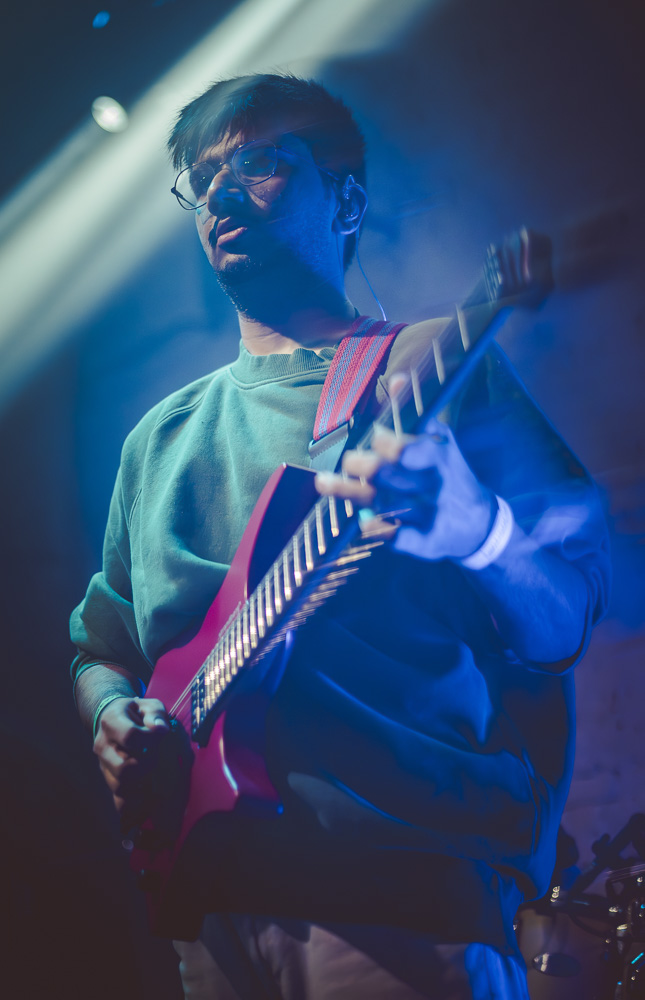
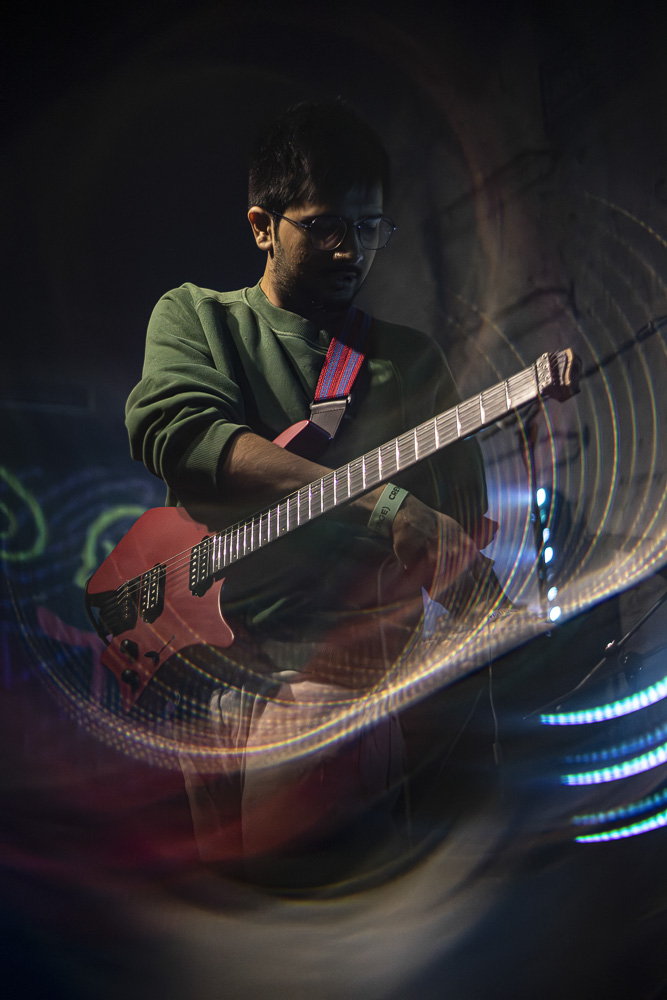
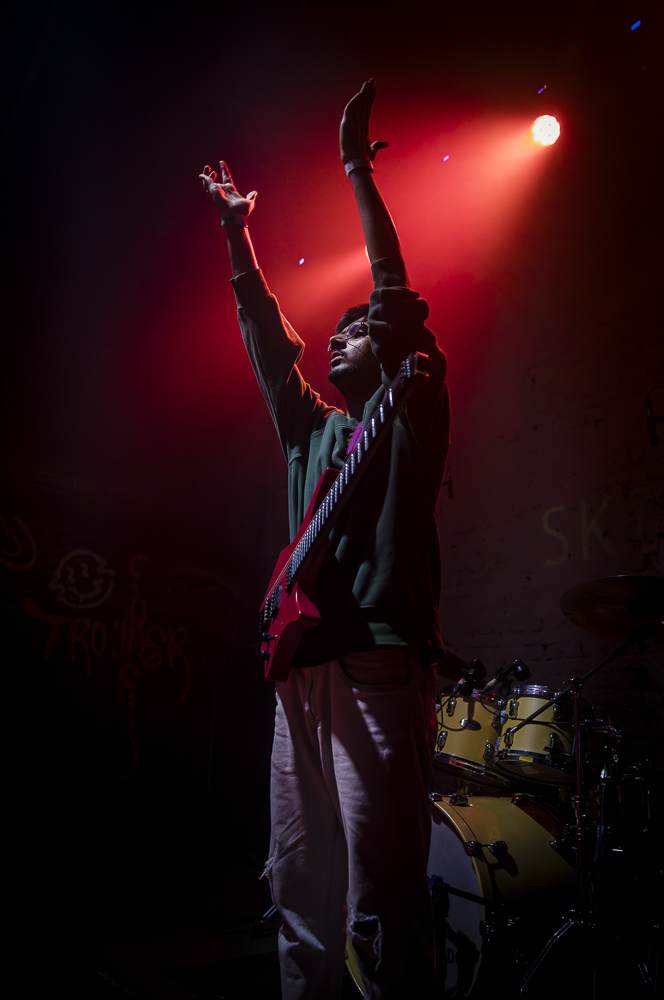
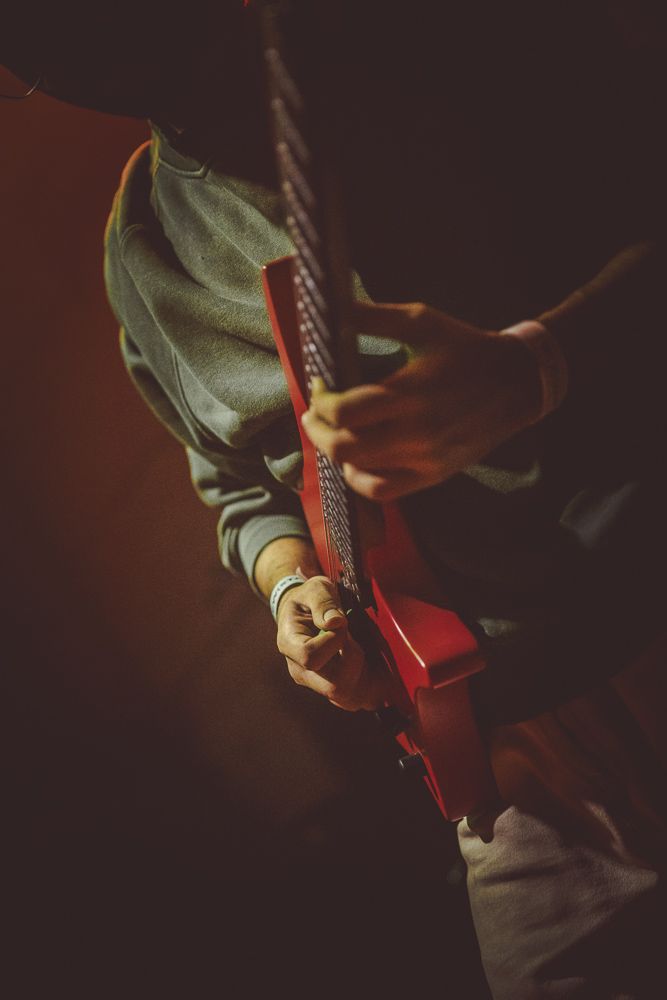
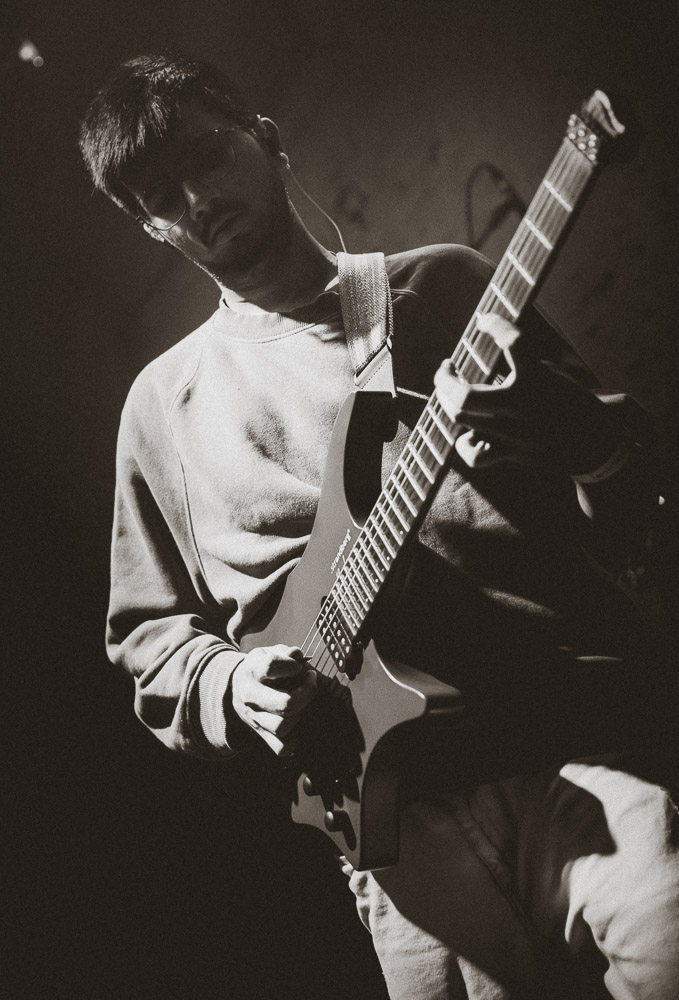
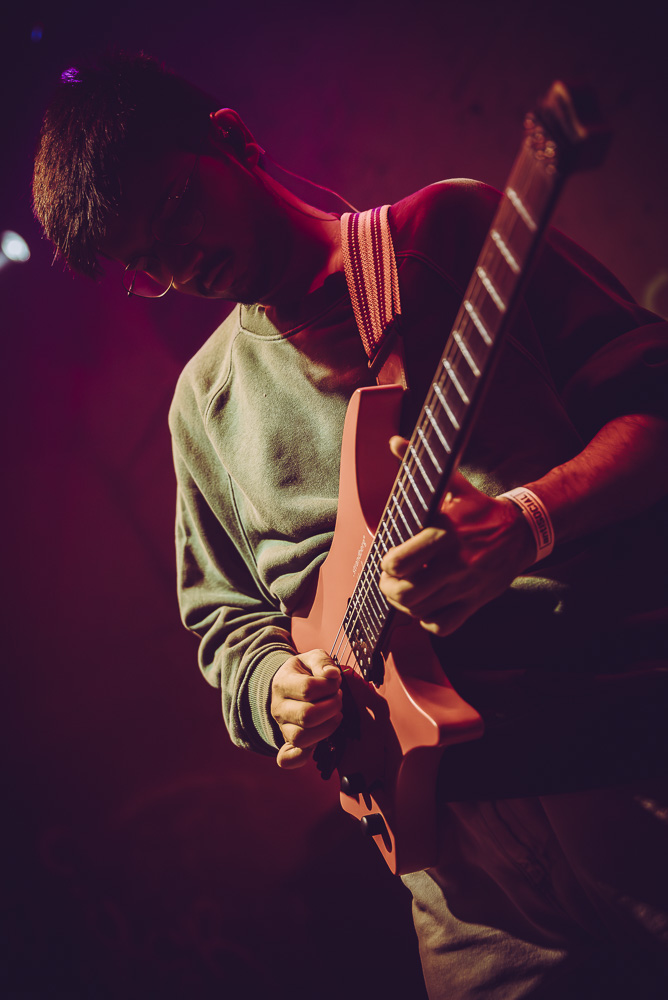
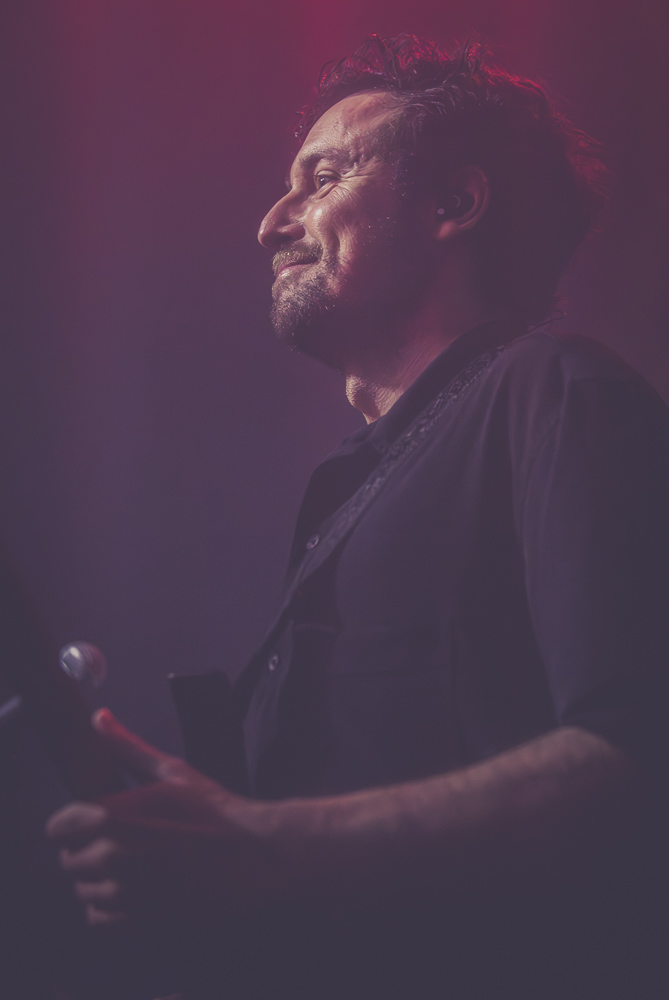
Mumbai-based guitarist Prerak Joshi, performing as PREY ROCK, only began releasing his own material in 2024, although he had been writing music for several years before that. Opening this particular show nevertheless represented something far more personal than another entry on a still relatively young live résumé: PLINI has long been one of the musicians who inspired Joshi to pursue his own approach to instrumental Progressive music.
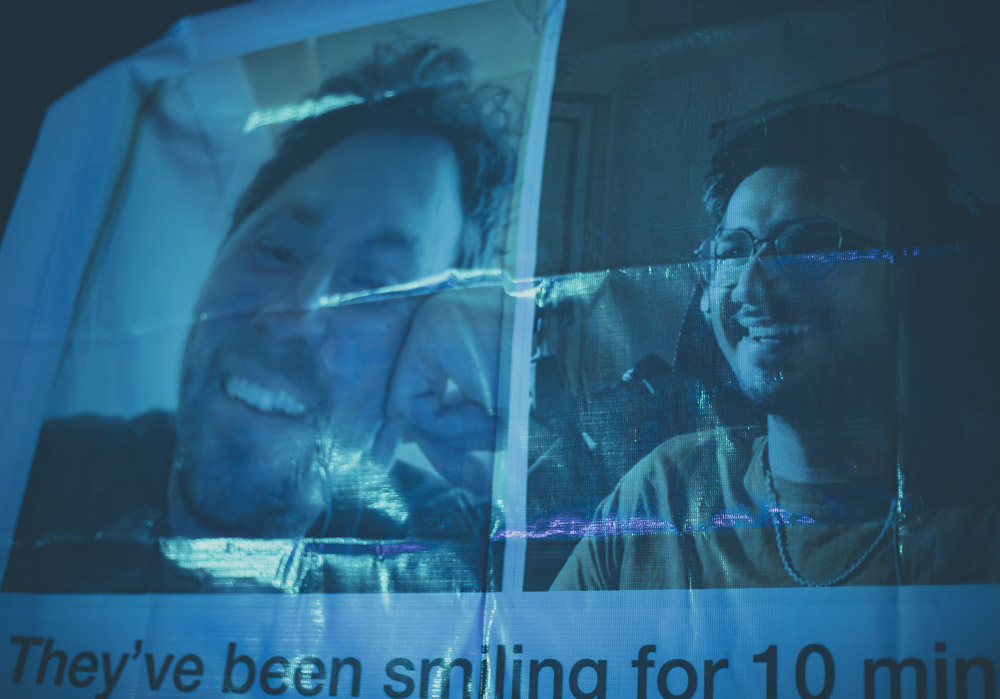
How much that meant became apparent in one particularly charming detail. Joshi had apparently carried an image of PLINI as the wallpaper on his phone for quite some time. Now his own image appeared alongside his musical hero on the poster for a sold-out hometown show. A photograph from the evening captures him standing beside it, reportedly after spending a good ten minutes simply smiling. It is difficult to blame him.
Music & Performance
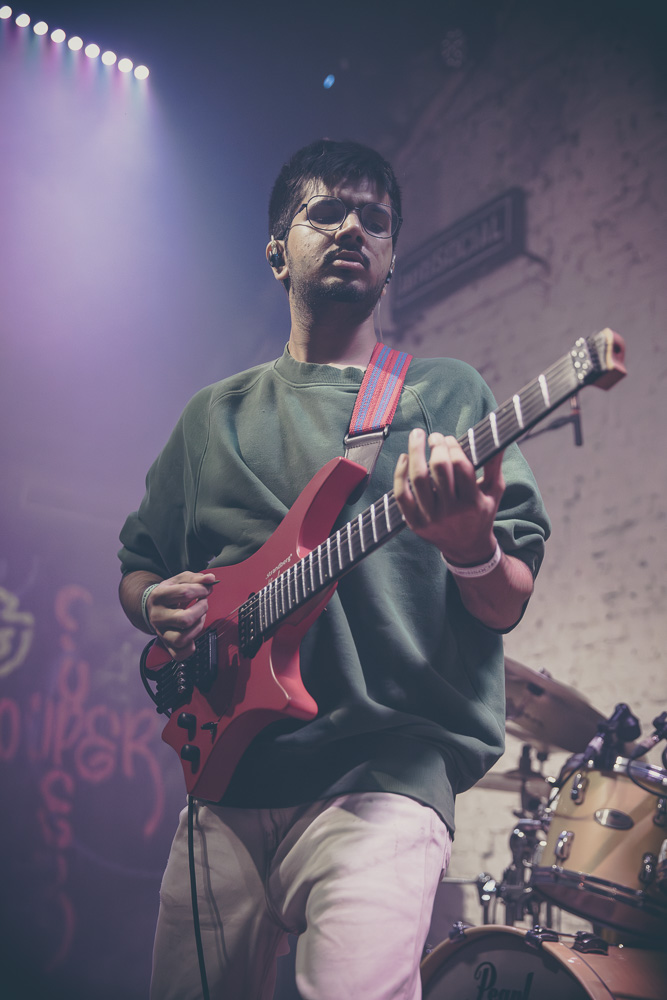
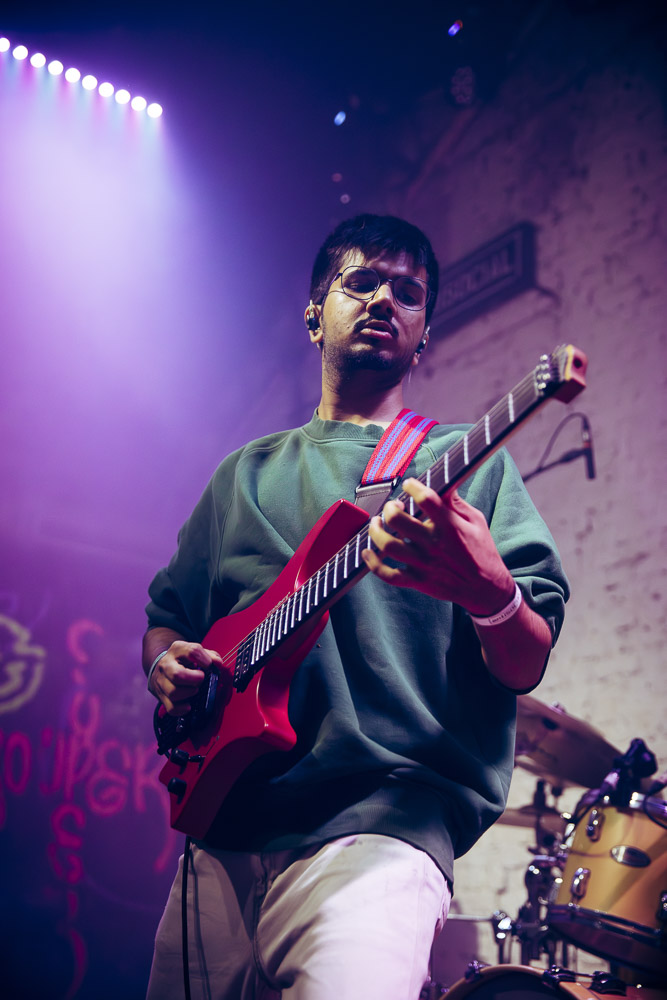
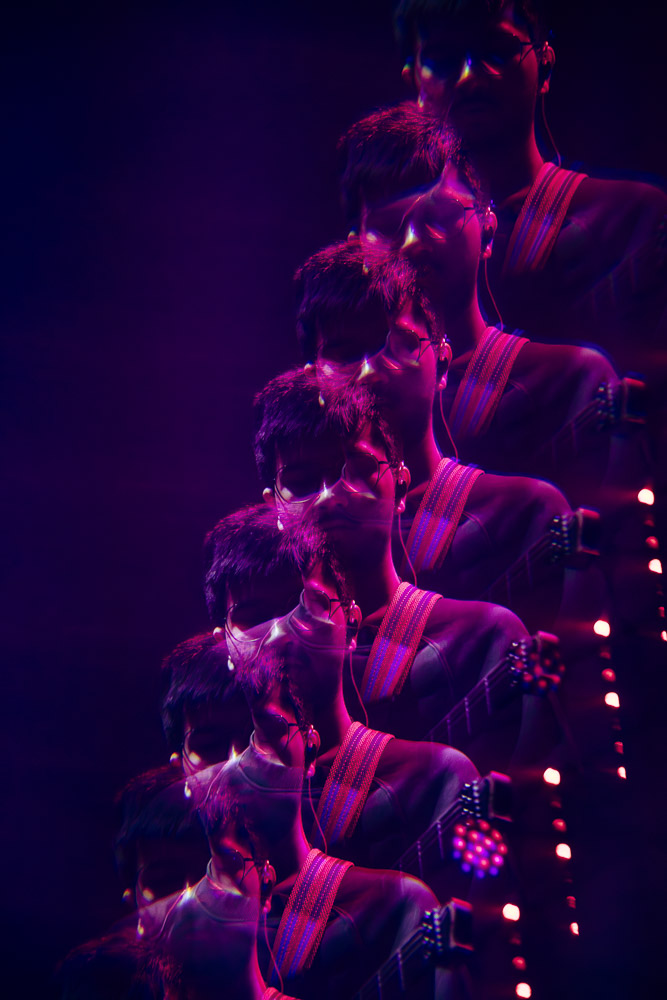
Call it manifestation, persistence or simply following a passion long enough for unlikely things to happen: there was something genuinely endearing about that moment. Fortunately, the story did not have to carry the performance. PREY ROCK did that perfectly well himself. His instrumental music combines intricate rhythmic structures with a pronounced melodic sensibility. PLINI’s influence could certainly be heard, yet never to the point of imitation. In fact, seeing both musicians on the same evening made their musical kinship particularly apparent. Neither treats technical ability as an end in itself. Complexity exists, but melody remains what ultimately reaches the listener.
Joshi consequently proved a very natural choice to open the evening. His performance provided enough technical substance for the Progressive crowd while retaining an accessibility that prevented it from becoming a demonstration of guitar mechanics. For someone who once carried PLINI around on his phone, sharing a stage with him in front of a sold-out Mumbai audience must have felt rather surreal. Judging by that smile beside the poster, it probably did.


Plini
Australian guitarist and composer Plini Roessler-Holgate has been developing his distinctive instrumental sound for more than a decade. Following his early independent EPs, his debut album ‘Handmade Cities’ appeared in 2016, followed by ‘Impulse Voices’ in 2020. His third full-length release, ‘An Unnameable Desire’, arrived in April 2026 and formed the centre of his current world tour and return to India. Stylistically, PLINI has always been difficult to reduce to Progressive Metal alone. Jazz Fusion, ambient passages, intricate rhythmic structures and almost cinematic soundscapes coexist with heavier guitars, but the element connecting all of them is melody. Live, that distinction becomes even clearer.
Music & Performance
By the time PLINI and his band entered the stage, antiSOCIAL had reached the point where the term “sold out” required very little additional explanation. The room was packed tightly from front to back, and the anticipation that had been building throughout the evening immediately translated into an enthusiastic welcome.
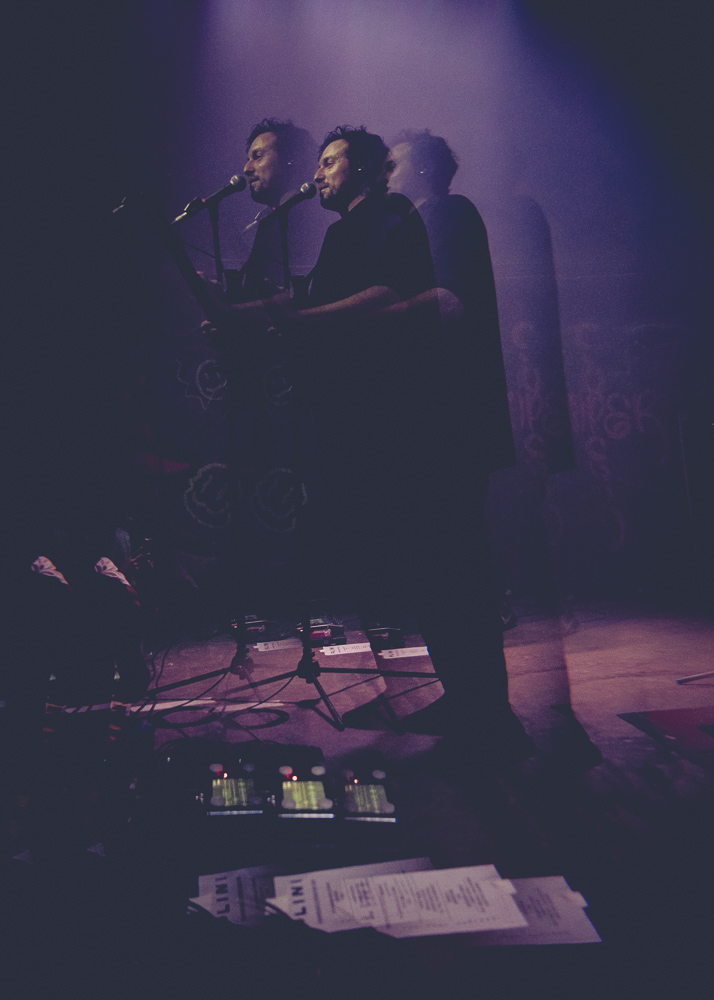
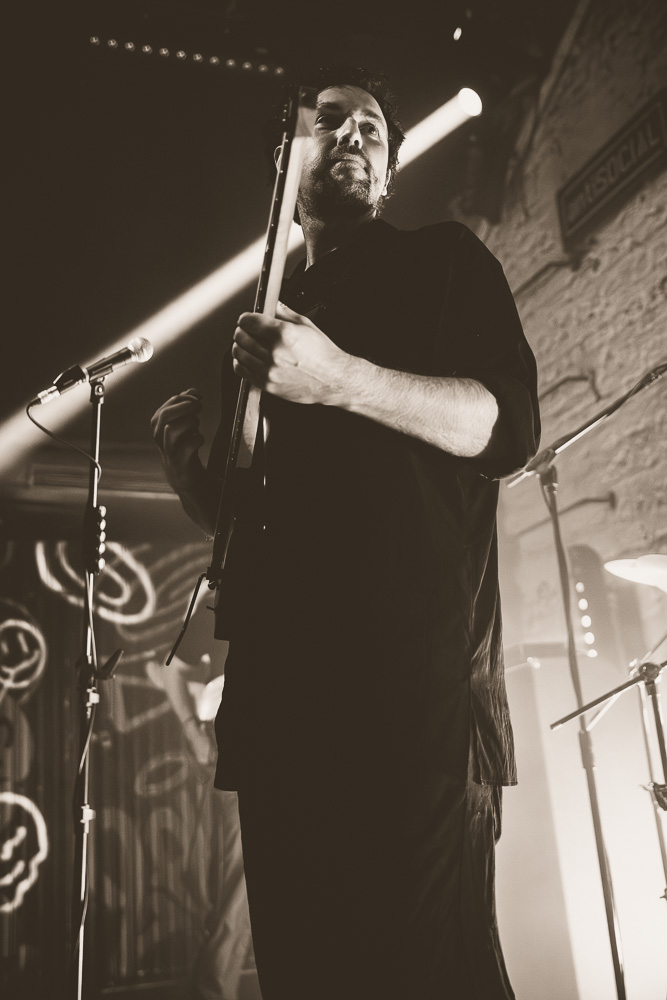
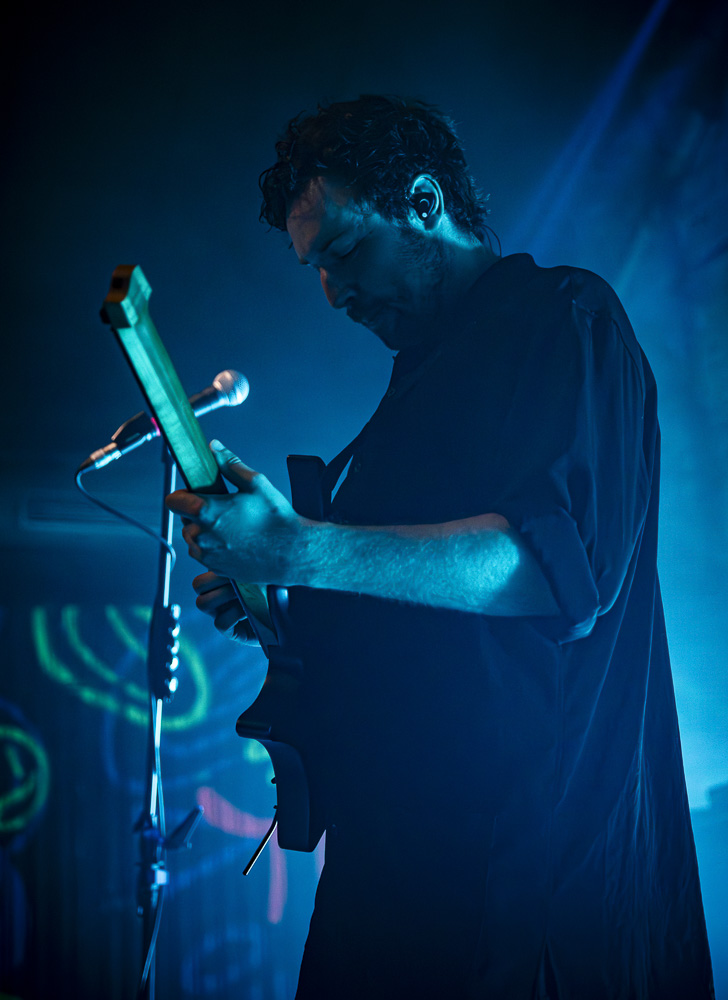
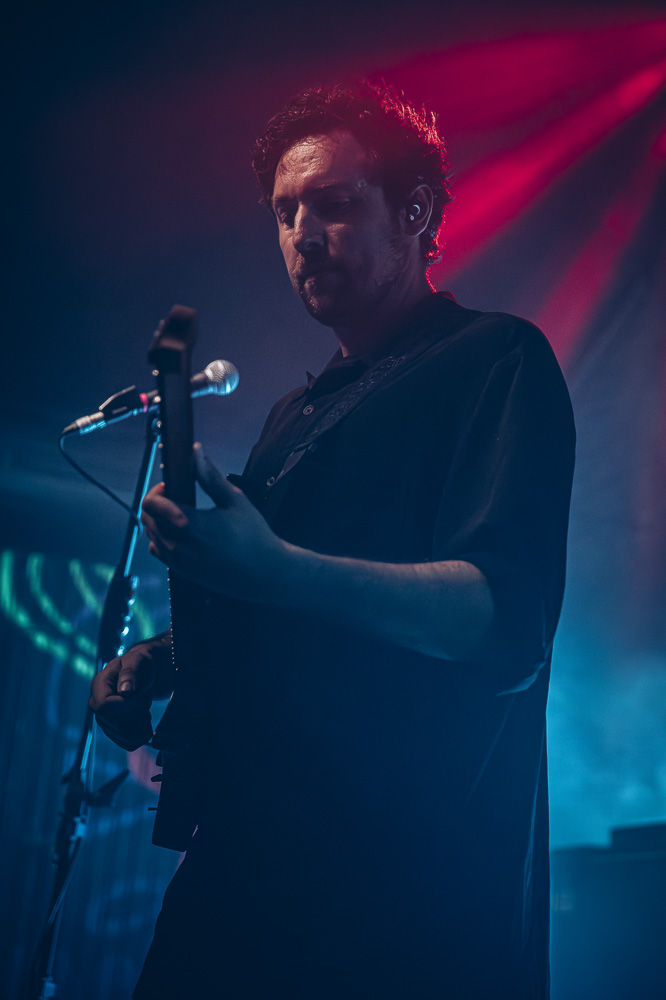
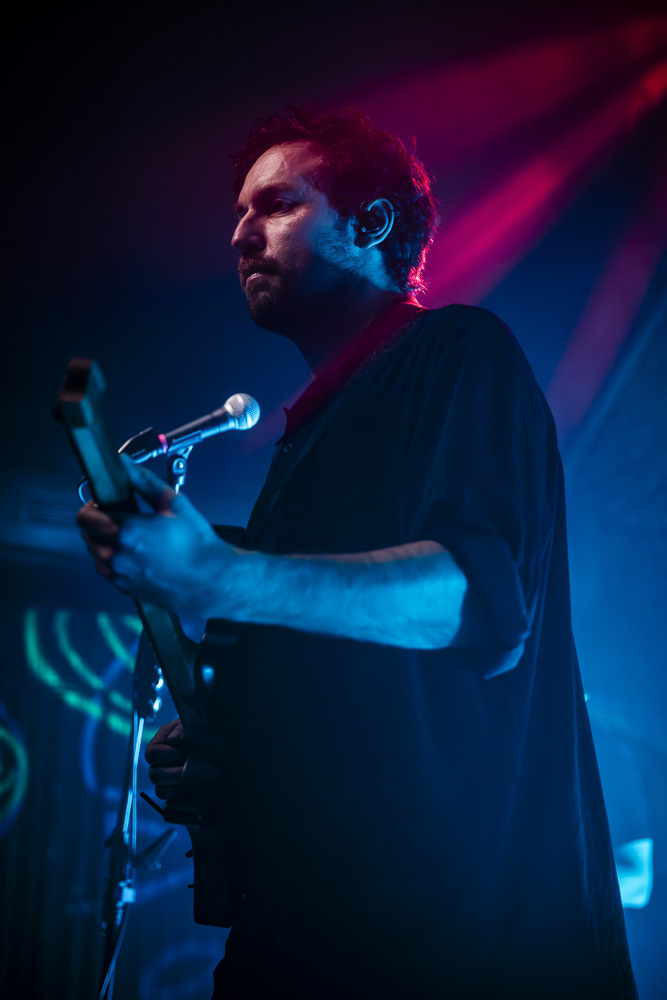
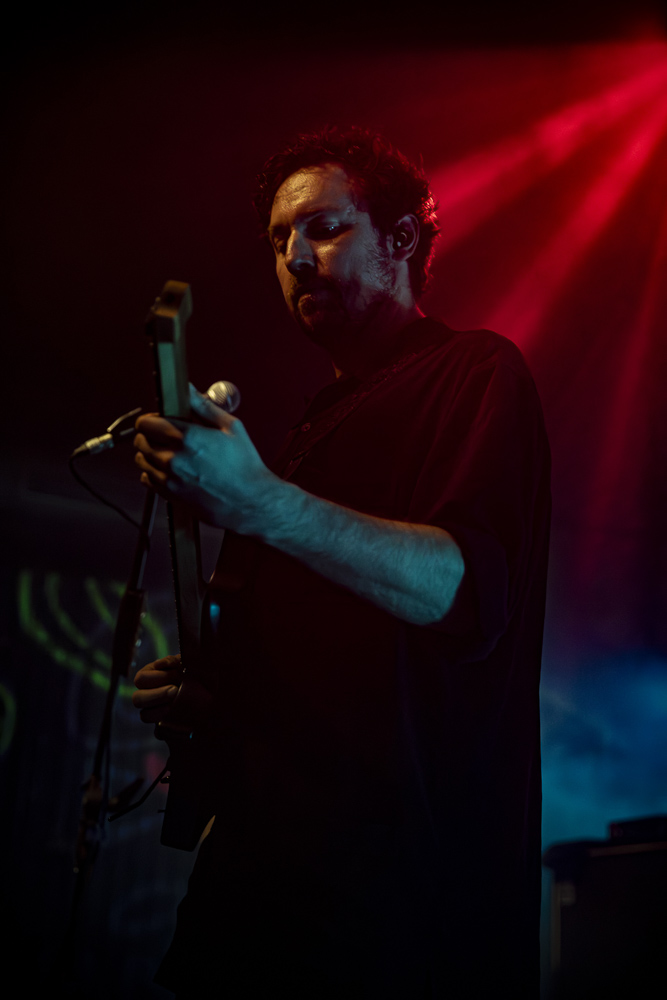
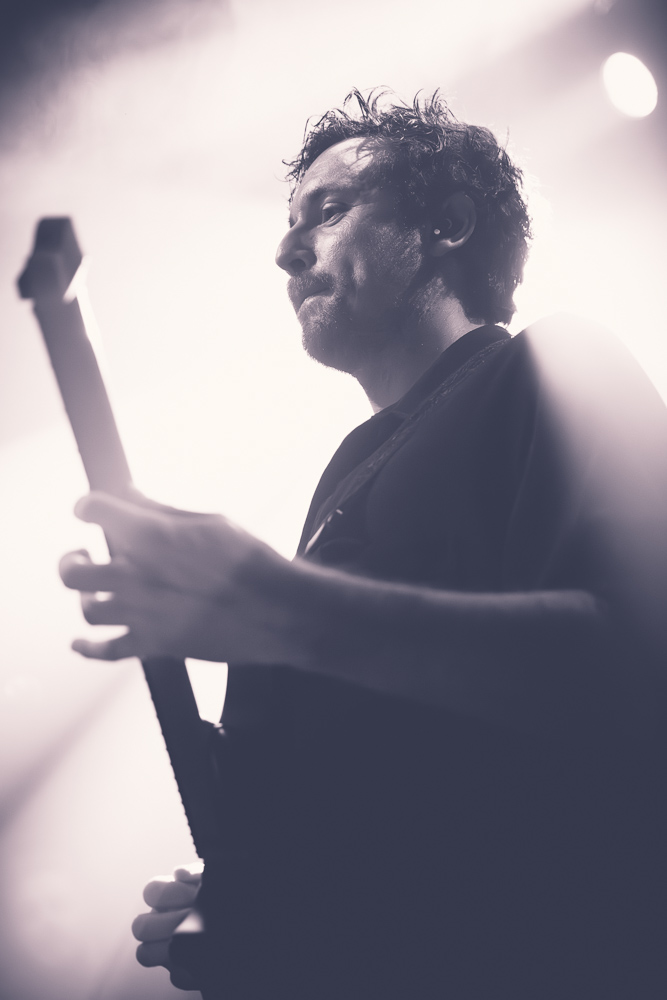
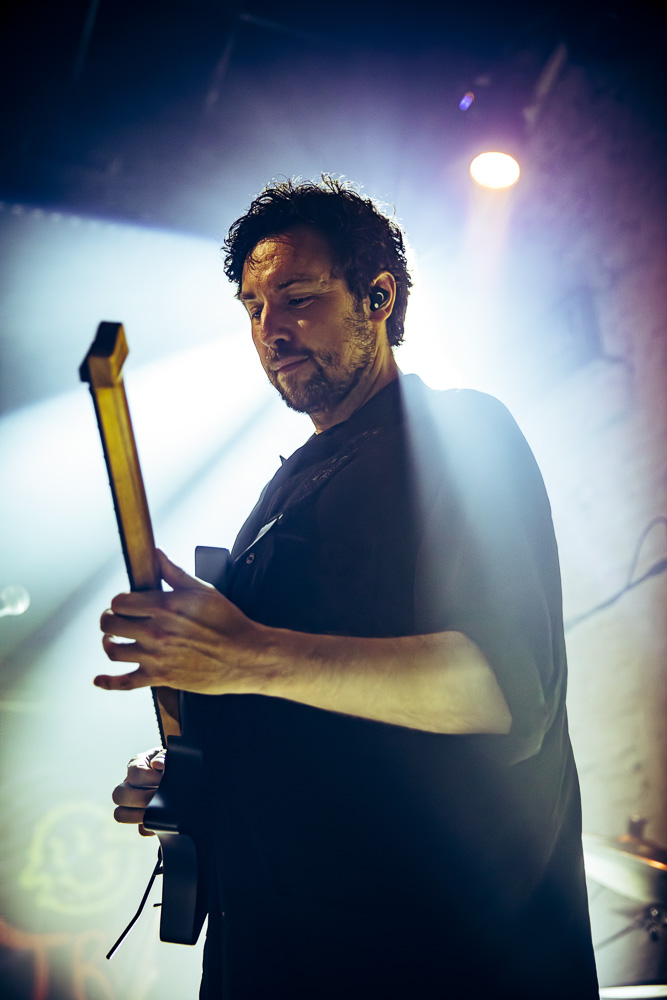
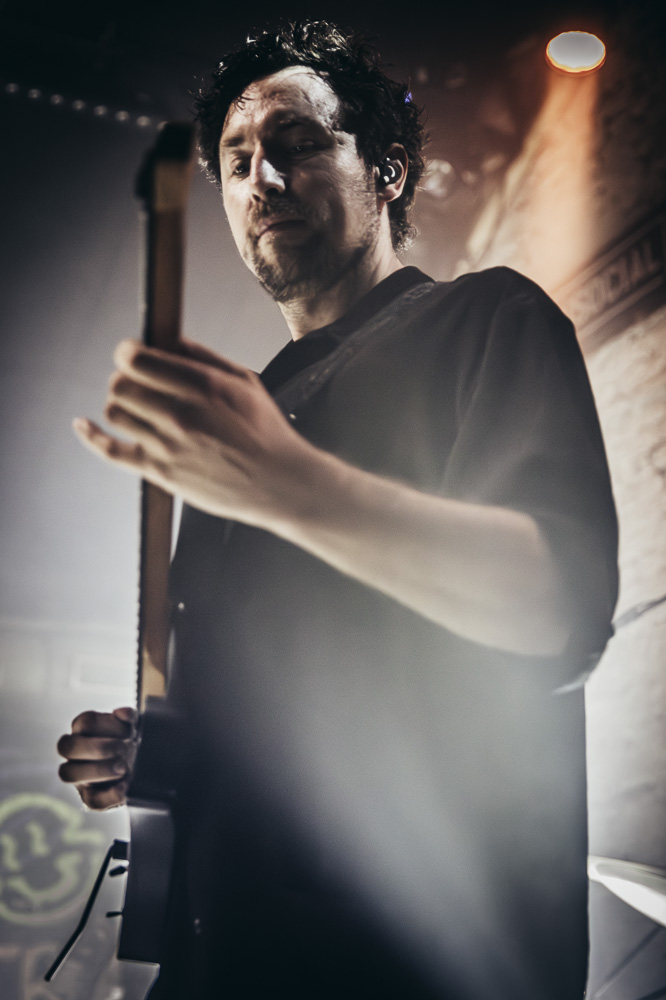
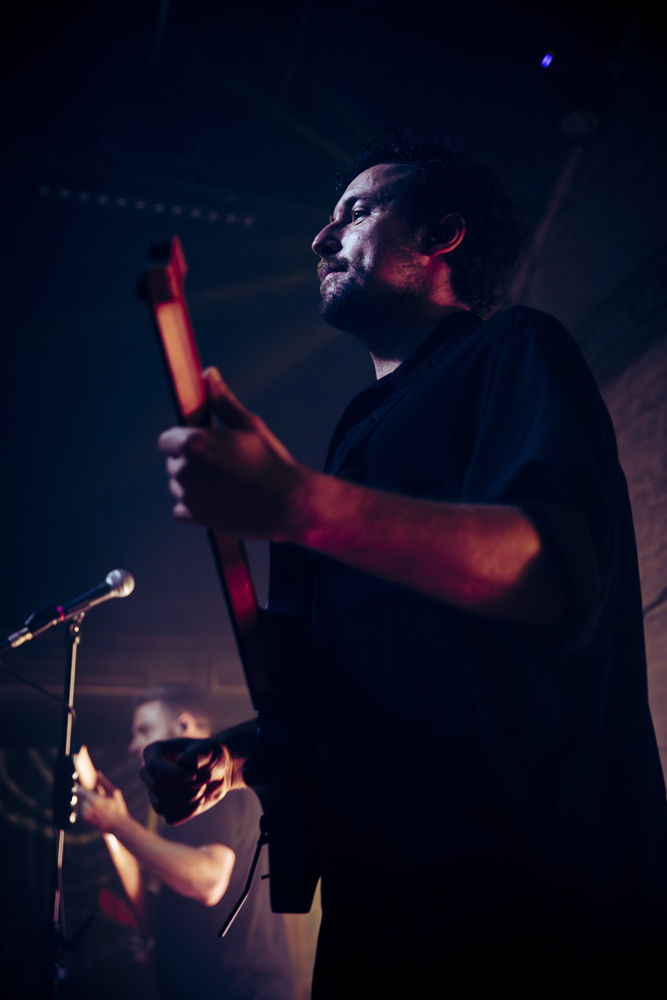
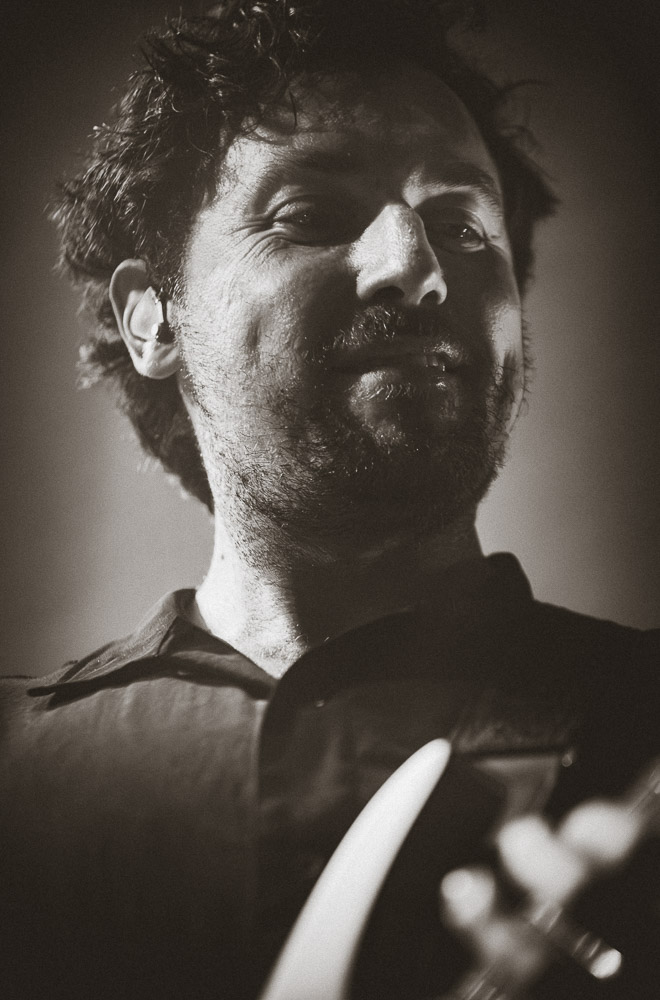
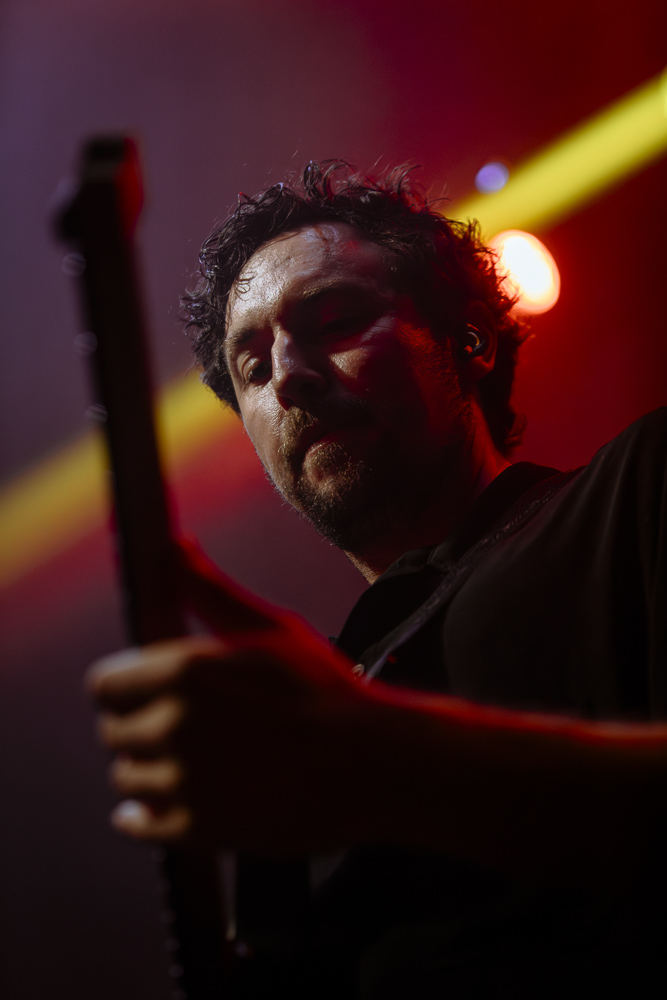
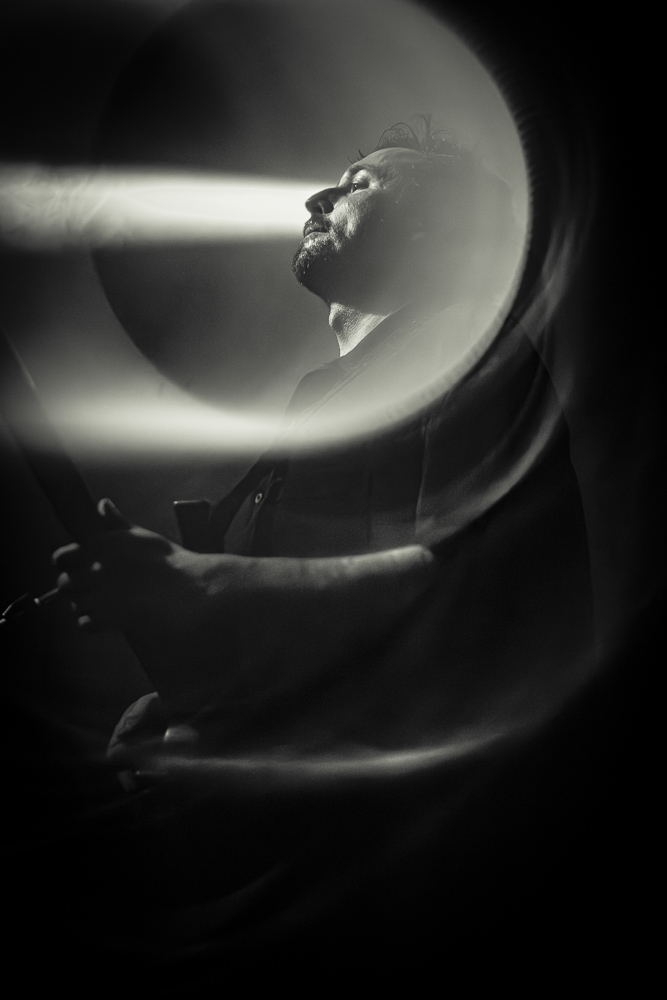
PLINI possesses all the technical ability associated with the modern guitar-virtuoso world, yet remarkably little of his performance is about displaying it. There are no unnecessary gestures announcing the arrival of a difficult passage and very little traditional guitar-hero posturing. He simply plays - often with an almost disarming ease considering what his hands are actually doing. That understated presence leaves the compositions themselves at the centre.
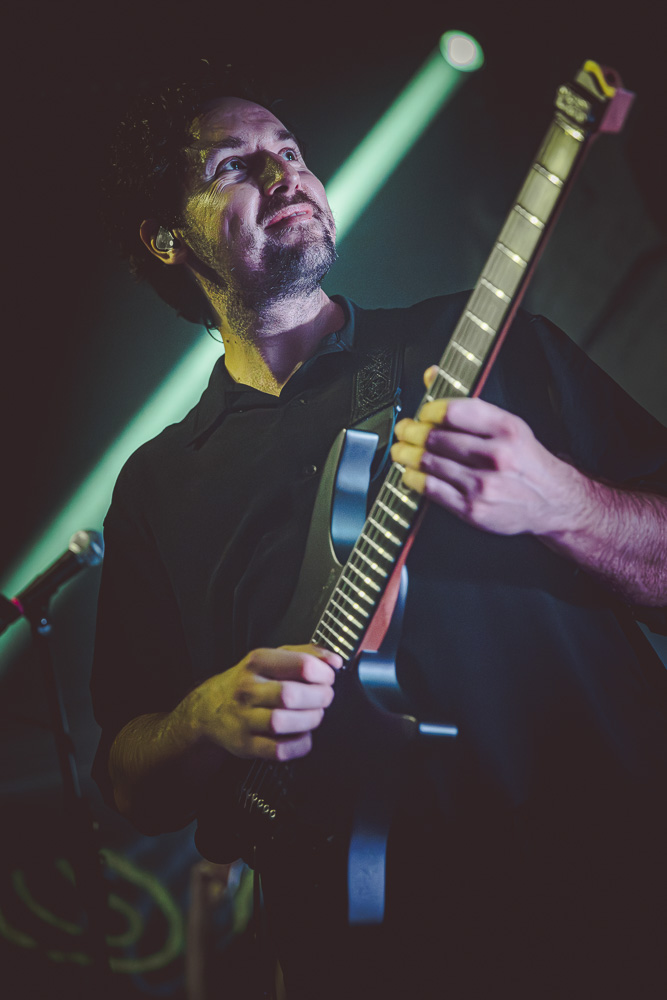
Delicate melodic lines could develop gradually into much heavier passages, rhythms shifted underneath them and intricate guitar parts intertwined without making the music feel crowded. The absence of a vocalist never created a void that needed filling. PLINI’s guitar effectively assumed that narrative role, communicating through melody and dynamics rather than words. This was precisely the quality that had fascinated me when I first saw him during my time in Beijing. Years later in Mumbai, it remained intact. His compositions have become broader and increasingly sophisticated, but complexity still serves expression rather than replacing it.
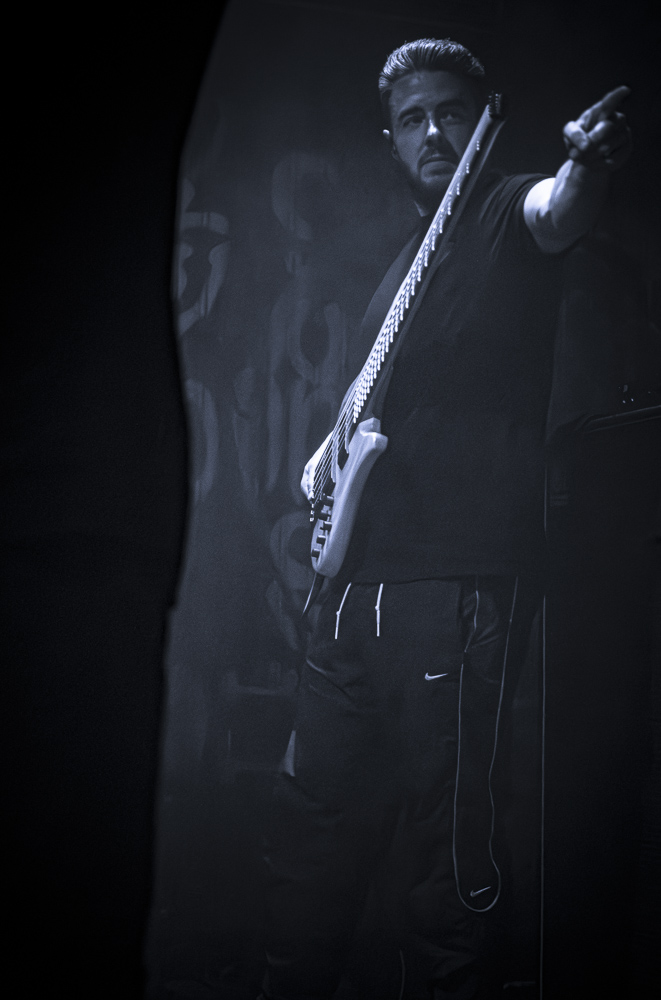
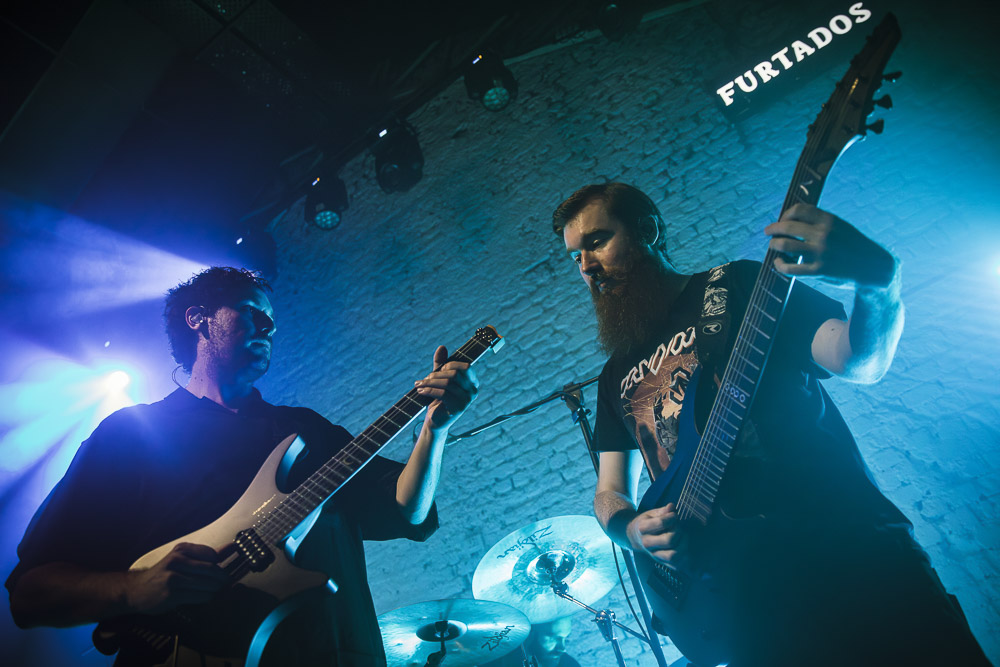
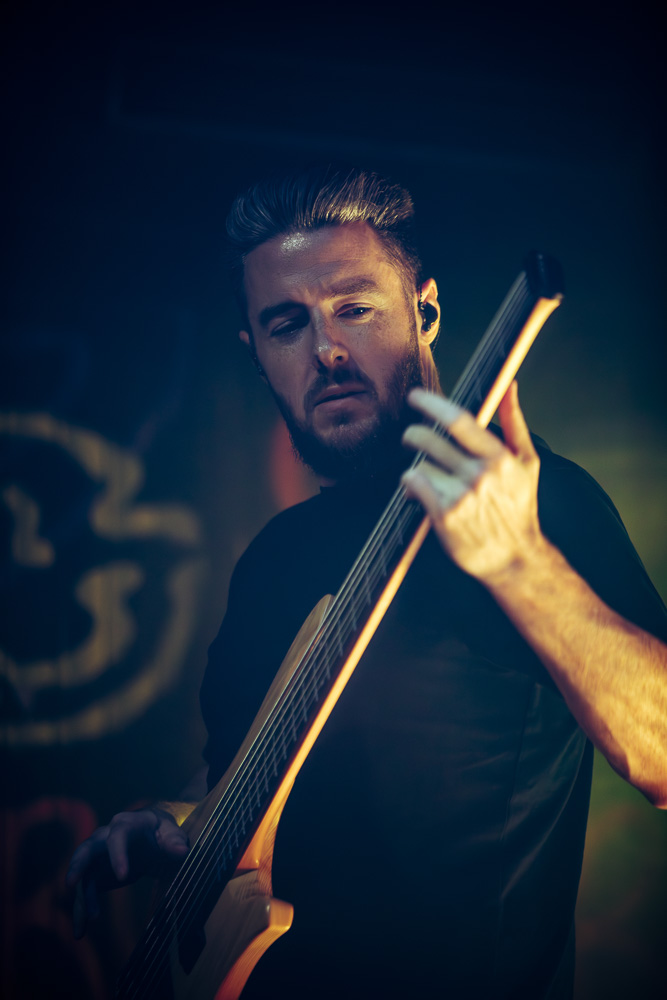
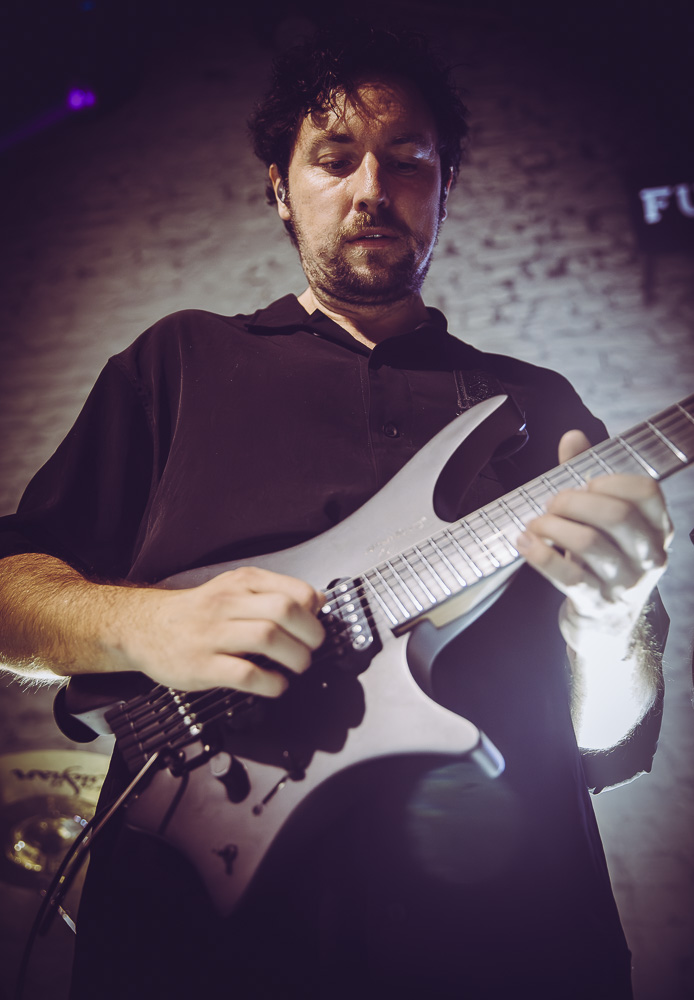
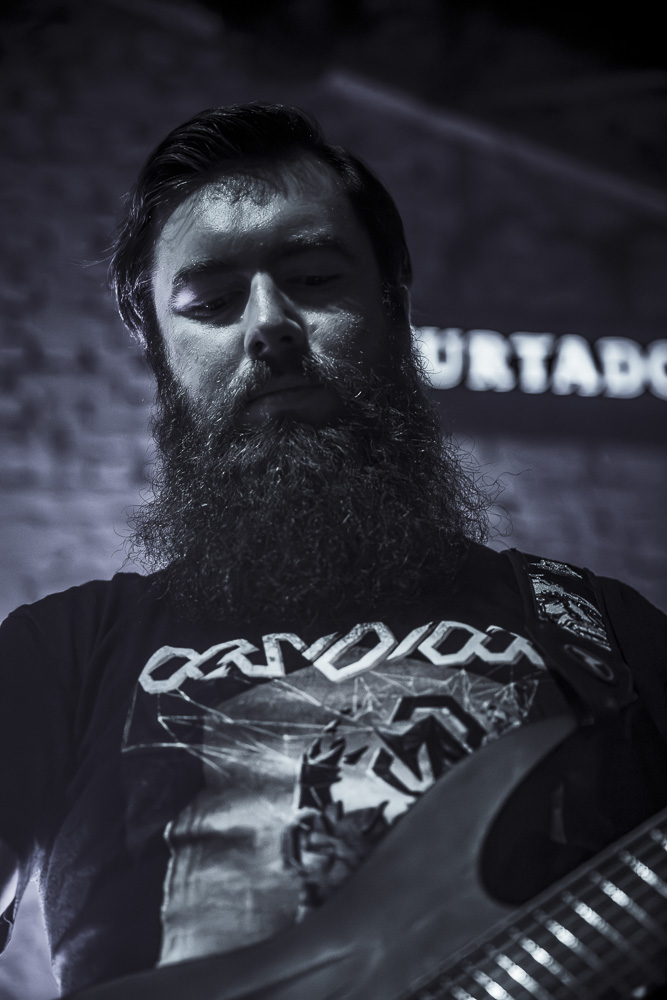
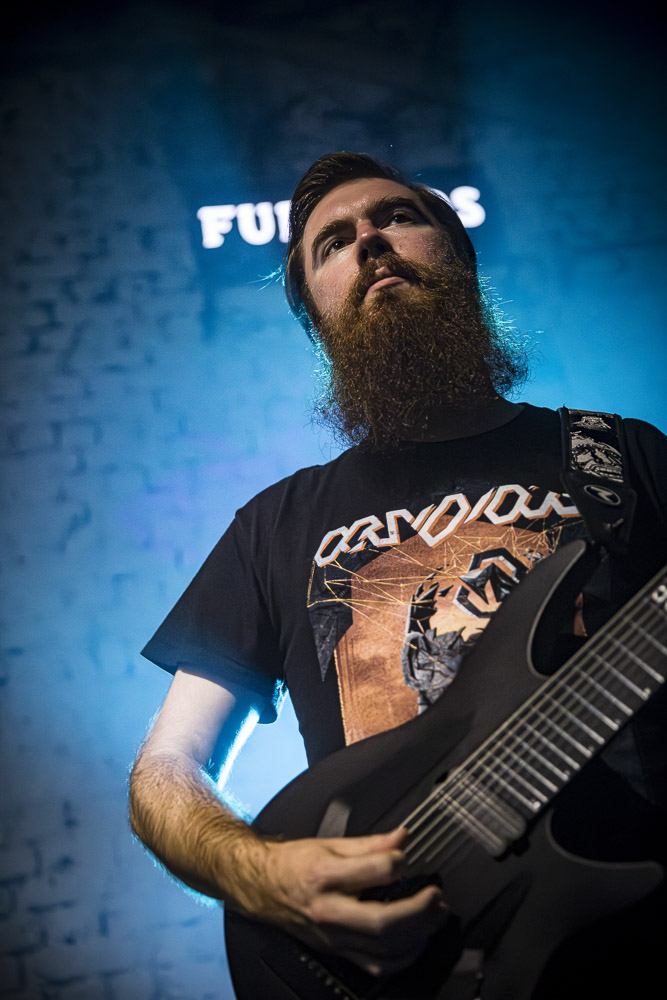
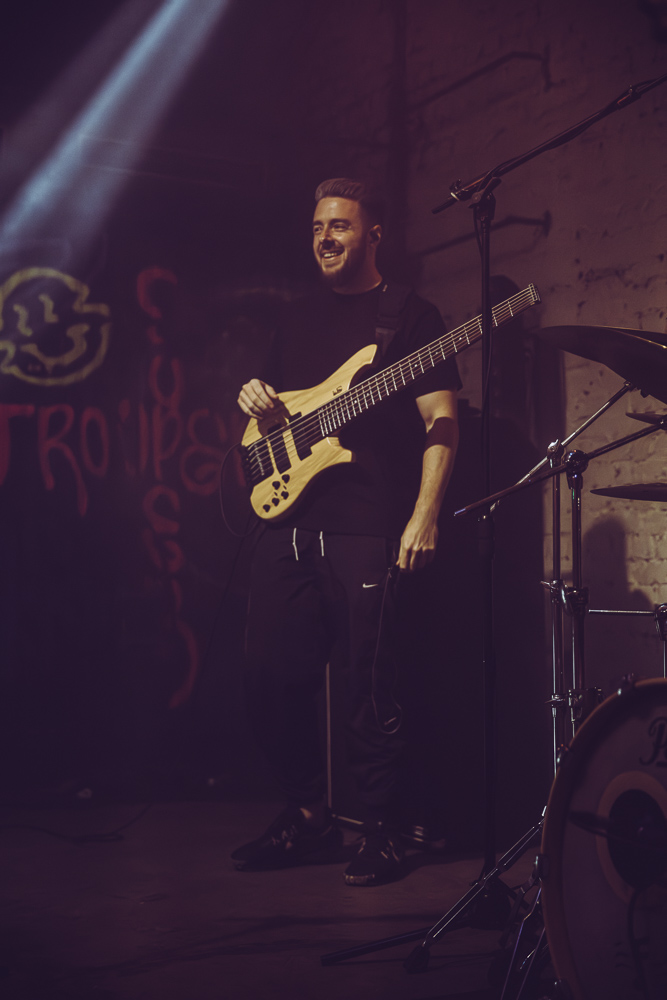
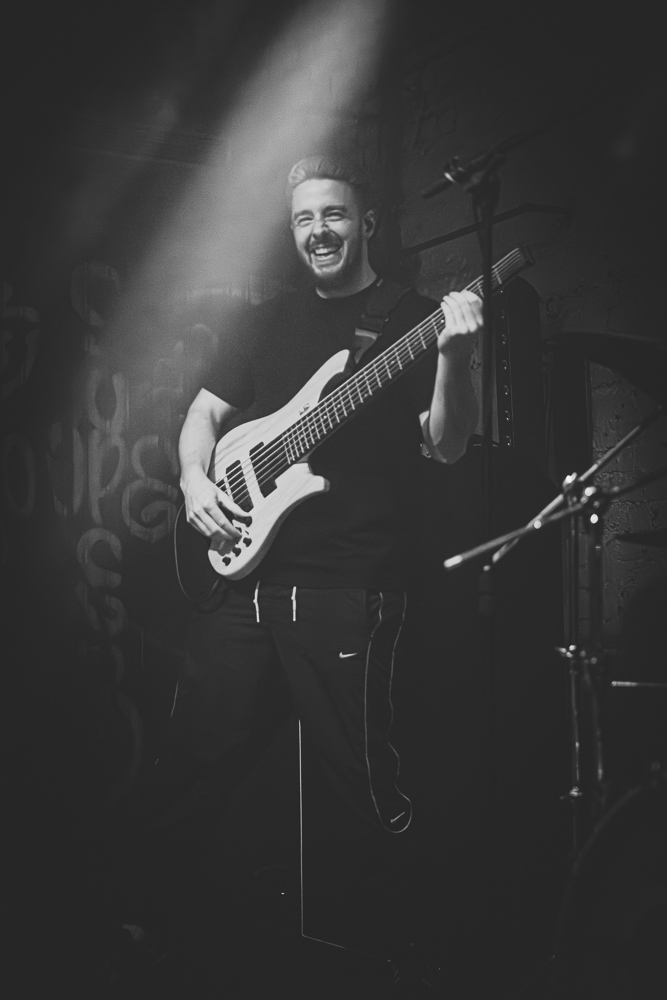
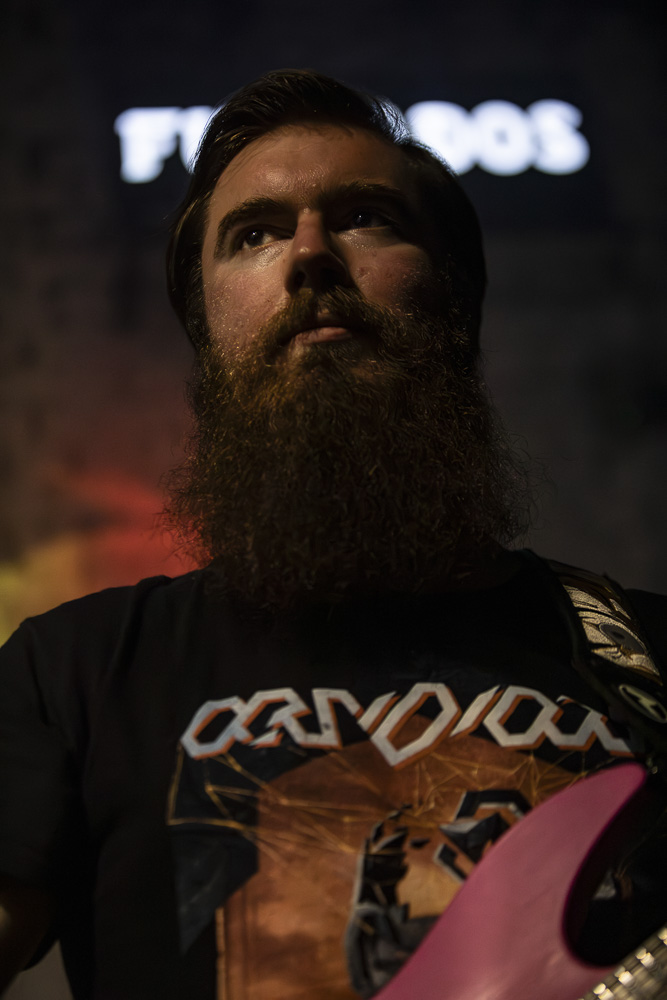
The band surrounding him deserves considerable credit for making that possible. Long-time collaborator Simon Grove on bass and Chris Allison on drums formed a remarkably fluid rhythm section, navigating sudden changes and intricate structures without sacrificing groove. Jake Howsam Lowe on second guitar completed a line-up in which interaction mattered at least as much as individual virtuosity.
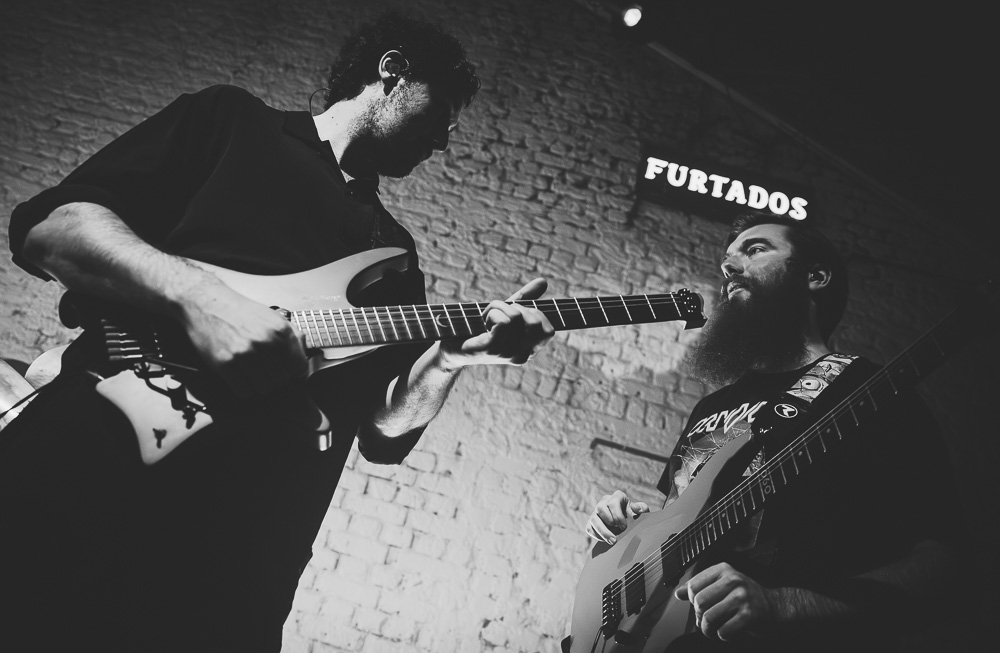
Watching them together was part of the pleasure. There is something deeply satisfying about seeing musicians make extremely demanding material appear almost effortless, and much of the performance relied on precisely that quiet understanding between the four players. The sound at antiSOCIAL allowed those details to remain surprisingly clear despite the sheer number of people in the room. Grove’s bass retained its definition beneath the guitars, Allison’s drums provided plenty of physical impact without overwhelming the arrangements, and the melodic lines remained distinct even during the heavier sections.
The audience responded accordingly. Mumbai did not treat this as a recital for guitar enthusiasts. Heads moved, bodies moved and familiar passages were greeted immediately. The atmosphere demonstrated rather effectively that instrumental Progressive music can be cerebral without becoming academic and technically demanding without keeping its audience at an emotional distance. If anything kept its distance that night, it certainly was not the audience.
The packed room provided enormous atmosphere, but eventually also became its own challenge. Moving through antiSOCIAL grew increasingly difficult as the evening progressed and, after having worked earlier that day and with another Sunday duty waiting the following morning, I eventually had to make the reluctant decision to leave before the performance had finished. Not how I would have preferred the evening to end, certainly, but sometimes practicalities win.
Until that point, however, PLINI had delivered exactly what had made that first encounter in Beijing so memorable: extraordinary musicianship presented without unnecessary self-importance, complexity that never forgot melody and instrumental music capable of communicating perfectly well without explaining itself. There was also something fitting about seeing him again in this particular setting.
When I first encountered PLINI, I was standing in front of a stage in Beijing and discovering an artist whose music immediately stayed with me. Years later in Mumbai, PREY ROCK stood on the other side of that equation: someone for whom the same musician had become an inspiration to create music himself - eventually leading to his own name appearing beside PLINI’s on a concert poster.
Beijing then. Mumbai now. For PREY ROCK, from a phone screen to a shared stage. Different journeys, perhaps, but all connected by the peculiar ability of music to travel much further than the moment in which we first hear it. And on this very crowded Saturday night at antiSOCIAL, a few of those journeys happened to cross.
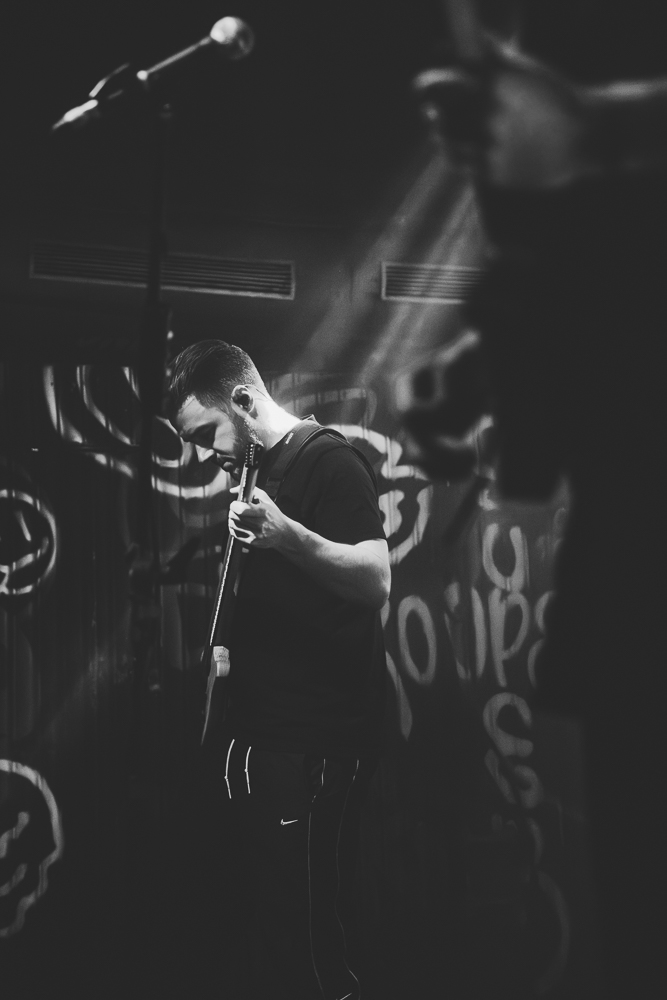





All Pictures by Dagmar Urlbauer