

 Interview with
Rodney Orpheus (vocals, music) from The Cassandra Complex
More than forty years after THE CASSANDRA COMPLEX began challenging the boundaries between Post-Punk, Industrial and electronic music, the band have returned to their early catalogue with ‘Generating Station Complex’. Rather than simply reproducing familiar recordings, they have approached these songs with the energy rediscovered on their anniversary tour and the possibilities of contemporary production.
In this interview, we discuss the band’s enduring identity, the meaning behind songs such as ‘Moscow Idaho’ and ‘The War Against Sleep’, and the tension between technological progress and human values. We also explore the realities of life as a musician, the changing alternative scene, the economics of streaming and what comes next for THE CASSANDRA COMPLEX.
Reflections of Darkness (RoD): When THE CASSANDRA COMPLEX first emerged in the 1980s, your music seemed to exist somewhere between post-punk, industrial, electronic music and a vision of the future that had not quite arrived yet. Now, more than forty years later, you are revisiting that very music on ‘Generating Station Complex’. Does it feel like returning to the past, or have you discovered that some of your old ideas were actually ahead of their time?
Rodney: We always knew that our ideas were ahead of our time - that’s why the band is called The Cassandra Complex! And that became very clear to us on our last tour - the songs still sounded really fresh and exciting, so once the tour was over we really wanted to get that sound on a new album.
RoD: ‘Generating Station Complex’ is much more than a collection of re-recorded classics. These songs have lived through different decades, audiences and versions of yourselves. What did you want this album to express about THE CASSANDRA COMPLEX as a band today? Is there a common thread connecting these recordings beyond their shared history?
Rodney: That’s a great question. One thing that has been constant throughout our career is that we never stick to just one theme or one genre. We have lived in this space between genres. But as soon as you hear a song by THE CASSANDRA COMPLEX, it’s very obviously US. Because we have always been very authentic and real in our lyrics and our musical approach. So I guess that unique thread runs through all of these songs - always different, but always us.
RoD: Following ‘The Plague’ and ‘Death & Sex’, ‘Generating Station Complex’ marks another chapter in the band’s recent creative activity. How have these projects influenced one another? Has returning to your earlier material changed the way you think about writing new music, or even about the direction THE CASSANDRA COMPLEX might take next?
Rodney: ‘The Plague’ was our first new album in a long time and really when we started writing it we had no idea if we could even still make a record that was worthwhile. But much to everyone’s surprise, it turned out to be a great, classic CASSANDRA COMPLEX album. So that gave us the confidence that we could still make good music and still be completely relevant after all these years. And we ended up touring so much after that, and playing the old songs with a rediscovered energy and emotion. So the natural thing to do seemed to re-record the records with that new feeling behind them. And again, in doing that, we rediscovered what made them so great in the first place, which has given us a whole new lease of life. So yes, the next record will definitely be influenced by our approach to this one.
RoD: The album brings together Rodney Orpheus, Paul Dillon and Andy Booth, reconnecting the creative forces behind the band’s early sound. After so many years of individual experiences and musical development, how has the chemistry between you changed? Are there elements of the original creative relationship that returned immediately, and others that you had to rediscover?
Rodney: Obviously we are older and our lives have changed dramatically over the years. But as soon as the three of us get in the same room together, that original chemistry just happens immediately. It’s quite a remarkable thing. We still make the same stupid jokes and have the same stupid arguments, but hopefully we are a little bit wiser also. But on the other hand, we are just as angry about the state of the world as we were on the first day. We have definitely not gotten any softer!
RoD: The new recordings retain that unmistakable collision of aggressive guitars, driving drum machines and hypnotic synthesisers, but there is also a remarkable sense of clarity and physical impact. When producing ‘Generating Station Complex’, how did you approach the balance between the raw, almost chaotic energy of the original songs and the precision that modern recording technology makes possible? Where do you draw the line between improving a sound and polishing away its character?
Rodney: That is a very perceptive question, and during the production it was the most important question on my mind every day. We obviously wanted to get the best sound we could get, but we also didn’t want to lose the raw energy and excitement we had when we were just three kids in a basement trying to figure out how to get a sound out of our synthesisers. My approach while mixing it was to remember how it sounded in my head when we wrote it, because back then we didn’t have the equipment or knowledge to get that sound exactly how we wanted it. So this time, I took the sound in my head and then tried to put that sound onto the recording. So it could keep all of the original emotion and energy while using technology to get the purity of the original vision.
RoD: ‘Moscow Idaho’ remains one of your most recognisable songs. Listening to it today, it is striking how naturally its electronic pulse, guitar-driven urgency and almost confrontational energy fit into the contemporary alternative scene. What do you think has allowed this particular song to remain so powerful? And has its meaning changed for you as the world around it has changed?
Rodney: The song is basically about rich privileged people looking down at the lives of poor country people, and it’s saying that the lives of the poor are just as important and filled with joy and meaning as the lives of the rich. So if anything it’s even more meaningful now than it was then, since we have an ever-increasing gap between the rich and the poor in modern society. So yes, it’s now more fitting than ever in its lyrical theme. Also I would like to think that musically it was very ahead of its time, and people today are still only catching up to where we were then.
RoD: ‘The War Against Sleep’ and ‘Nightfall’ both evoke a certain psychological tension, although in quite different ways. One suggests resistance against something inevitable, while the other carries an almost apocalyptic atmosphere. When returning to these songs, did their emotional landscapes feel familiar, or did the experiences of the intervening decades give them entirely new shades of meaning?
Rodney: ‘The War Against Sleep’ is really a song about my own life as a professional musician. Contrary to what people might think, being a professional musician is really hard work, with very long hours, very little sleep, and intense pressure from all sides to keep producing hits. When I wrote it I had been writing, recording, and touring relentlessly for over a decade and even though I do love my life, at that point I was getting really burned out. So writing that song was like screaming to the world that I was physically and emotionally exhausted. But I think that the message can resonate with many people stuck in high-pressure jobs that continually push them beyond what they are capable of. So again, more relevant now than ever before. ‘Nightfall’ is part of a whole science fiction rock opera really - it’s about a near-future world where the Middle Eastern and African nations finally get fed up with Western colonialism and decide to invade Europe. This is a problem that has been brewing for decades and continues to be a problem today, so again, very relevant to the modern world.
RoD: There is something both fascinating and unsettling about the title ‘One Millionth Happy Customer’. In an age of algorithms, social media, artificial intelligence and increasingly commercialised identities, its underlying irony feels particularly relevant. When you revisit lyrics written in a different technological era, are you ever surprised by how closely they seem to describe the present? Or do you think society has simply found new ways of repeating the same mistakes?
Rodney: I’m not really surprised that our older songs still resonate in the present, for two reasons: Although technology changes, people’s souls remain the same, and when an artist writes from the heart, people still understand and empathise with that authentic emotional impact. I spend a lot of time thinking about the state of the world and how it can and should change, and my writing reflects those thoughts about the future. Trying to predict the future is always a big gamble, but I think our track record is pretty good so far.
RoD: Songs such as ‘What Can I Do For You’, ‘Second Shot’ and ‘Why’ reveal different sides of your songwriting, beyond the sheer force of the band’s better-known club anthems. How did you approach the selection and sequencing of the material? Were you interested in showing the full emotional and stylistic range of THE CASSANDRA COMPLEX, rather than simply creating a collection of audience favourites?
Rodney: A bit of both. We did a huge 40th anniversary tour and played nearly 2 hours every night, and changed the songs we played each night as well, so we ended up playing a LOT of songs by the end of the tour. We were able to feel how the audience reacted to each song and we changed how we played them a little bit each night. So by the end of the tour we had a good idea of what songs we thought could use new versions, and what people had reacted to strongly at each show. So really, the audience themselves did a lot of the choosing!
RoD: THE CASSANDRA COMPLEX were experimenting with electronic rhythms, distorted guitars and multimedia performances long before many of these elements became established features of the alternative scene. Looking at today’s post-punk, darkwave and industrial landscape, what developments genuinely excite you? And is there anything you feel the scene has lost along the way - perhaps a certain willingness to take risks, challenge conventions or sound completely different from everyone else?
Rodney: I have to be honest, I find most of today’s Post-Punk / Darkwave / Industrial scene quite disappointing. Far too many acts just feel like a copy of a copy of a copy. Or have nothing new to say that connects with me. But on the other hand, I’m old and out of touch and still angry with the world, so who cares about my opinion anyway?
RoD: The word “cyberpunk” has been closely associated with THE CASSANDRA COMPLEX since the early days. Back then, technology offered both a sense of liberation and a rather disturbing vision of the future. Today, with artificial intelligence entering almost every area of creative life, how do you see that relationship between humans and machines? Has reality finally caught up with the world your music once imagined, or has it taken an entirely different direction?
Rodney: Technology does give us the tools of liberation, but too many of those tools have ended up in the hands of psychopathic billionaires. And speaking as someone who has worked in technology for a long time, AI is bullshit, it’s not “intelligence” at all, it’s just a computer program that is designed to mimic intelligence by randomly throwing big words at you. I am disappointed that we had so much potential and allowed assholes to steal it all away from us and make themselves into billionaires with it instead.
RoD: Your music has always carried a strong sense of confrontation, whether through its sound, lyrics or political and social undertones. In today’s increasingly polarised world, do you still believe music can genuinely provoke people to question their beliefs and behaviour? Or has constant exposure to shocking images, opinions and information made audiences harder to reach on a deeper level?
Rodney: People today have considerably less exposure to shocking images than they did in the past. 100 years ago it was absolutely normal that you would see one of your sisters or brothers die in front of you while you were still a child. Whereas these days, very few people have ever even seen a dead body at all.
People keep telling me about how we live in “an increasingly polarised world”. Really? More polarising than when we had concentration camps? More polarising than when some people were masters and other people were slaves? I think that is a lot more polarising than just having an argument about financial policy or something.
As regards confrontation, yes, we need it. There can be no compromise on human rights. And I mean that completely literally - either people are all equal and possess equal human rights, or they don’t. You can’t compromise on basic rights. If some right-wing asshole is against people being gay, how do you compromise on that? Let people only be gay on Saturday? Or they can only take men on a date half the time, the other half they have to date girls?
People always keep saying we need to compromise with the right-wing, and it sounds reasonable and fair when you put it like that, but the reality is that far too often what they mean by compromise is just letting them win. Am I going to compromise on woman’s rights? Am I going to compromise on racism? No. Not one centimetre. Anyhow, I guess that’s a long way of saying: we will continue to fight and to challenge people’s assumptions. And hopefully they will continue to respond to that.
RoD: The band’s history stretches from independent releases and underground clubs to an era in which music is consumed through streaming platforms, social media and constantly changing digital trends. As musicians who experienced the alternative scene before the internet, how do you view today’s relationship between artists and audiences? Has music become more accessible but perhaps less meaningful, or do you see new possibilities that simply did not exist in the 1980s?
Rodney: More democratisation and accessibility to music and ways to make and listen to music is a good thing. What is not a good thing is who owns it. Record companies are still assholes who steal money from artists, just like they always were. The difference is now they can use technology to steal more. Streaming has been a huge win for new artists looking to build an audience, but the problem is that all that streaming money goes into a black box and the smaller artists hardly see a penny of it. A lot of young artists basically only make money from Bandcamp and t-shirt sales at concerts. So if you want to support your favourite bands, that’s how you do it.
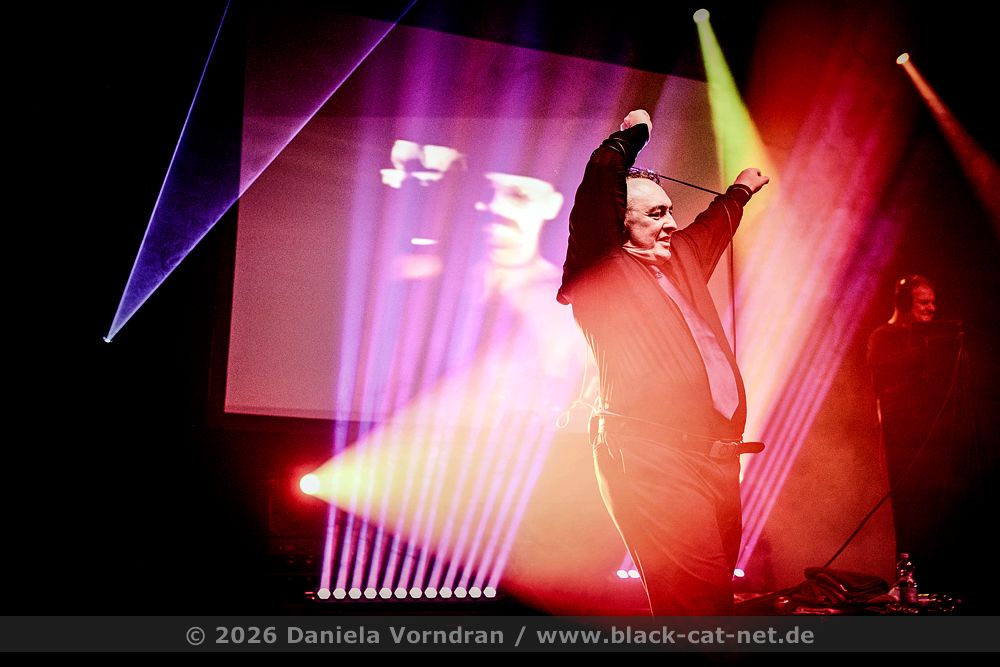
RoD: Your 40th anniversary tour brought THE CASSANDRA COMPLEX to audiences across different countries and generations, and that live energy clearly became an important part of ‘Generating Station Complex’. What strikes you most when you look at the people attending your shows today? Do younger listeners respond to the same qualities that attracted audiences forty years ago, or are they discovering something entirely different in your music?
Rodney: That’s a great question but I’m really not sure how to answer it. A lot of our audience are old fans who have been following us for years, but still every time we play a concert there are people coming up to me afterwards saying that they just discovered us for the first time, which is really gratifying to hear. Although the world might have changed a lot on the outside, the human spirit remains eternally unchanged, and we try to tap into that eternal spirit and connect to our shared humanity. And I think people recognise and relate to that, and I hope they always will.
RoD: Finally, there is an interesting paradox in ‘Generating Station Complex’: by returning to songs from your past, you have created a record that feels very much alive in the present. After more than four decades of musical experimentation, what still gives you the greatest sense of excitement or creative freedom? And when listeners experience these songs today, what would you most like them to discover about THE CASSANDRA COMPLEX that they might not have noticed before?
Rodney: It definitely was an interesting paradox making this record and trying to create a bridge between our world then and our world today, and I was acutely aware of that while we were making it. But I think we succeeded very well - I hope so! And people seem to agree, the record has been getting rave reviews and is doing very well, so I’m happy that people are responding so positively to what we have achieved here.
I think what I would like people to discover about us is that we write wonderful songs that examine the human condition and that we have always been trying to create a music that is truly eternal and strong and real, and that we’re not just another band in a sea of bands. But really, if you listen to a record from The Cassandra Complex and it makes you happy, or sad, or angry, or create any powerful emotion inside you, then we will have achieved our goal. Of course now it’s on to the next one! We have already started recording the next album, and as soon as we finish our shows in Germany in November we will be going back to the studio to work some more on that one… Onwards and upwards!
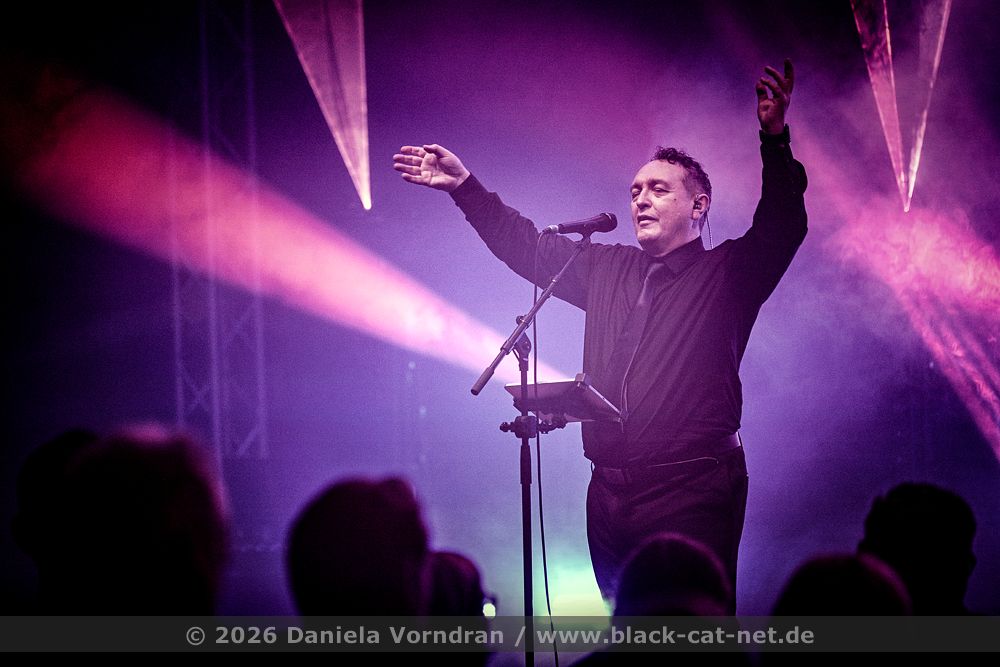
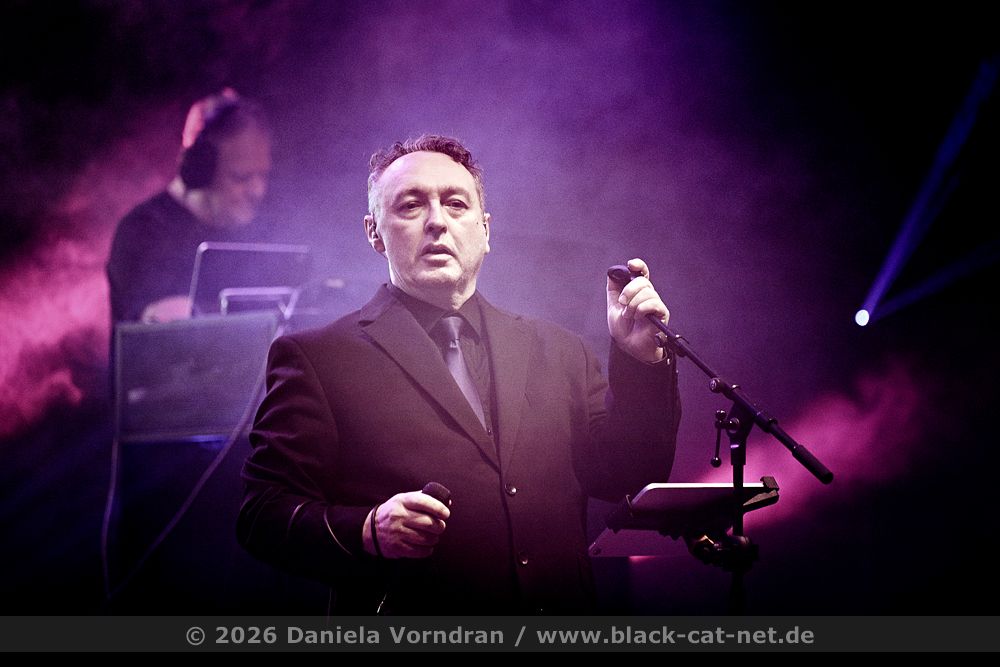
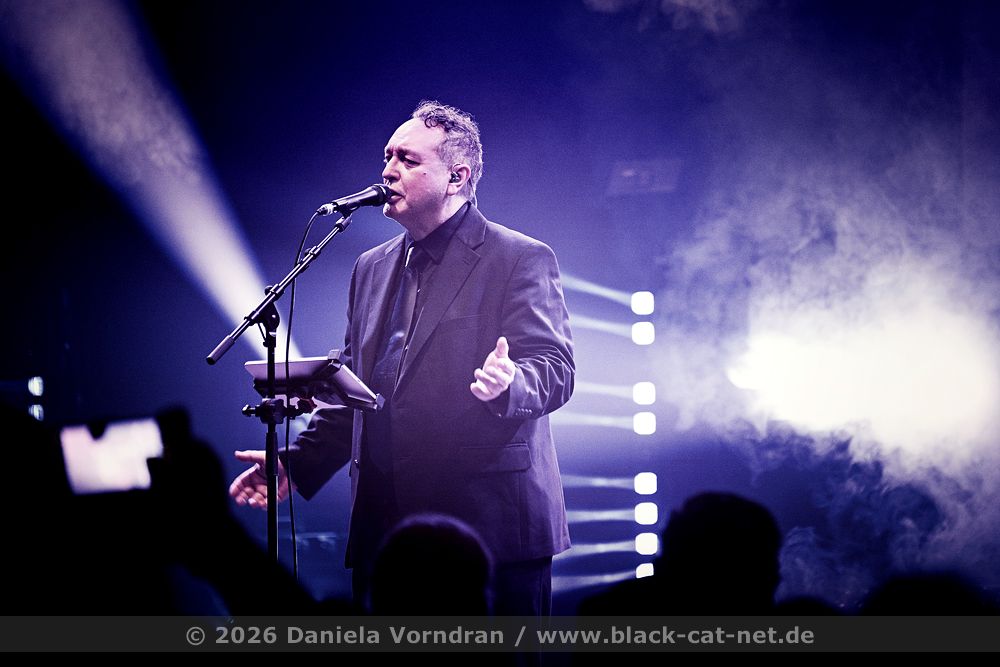
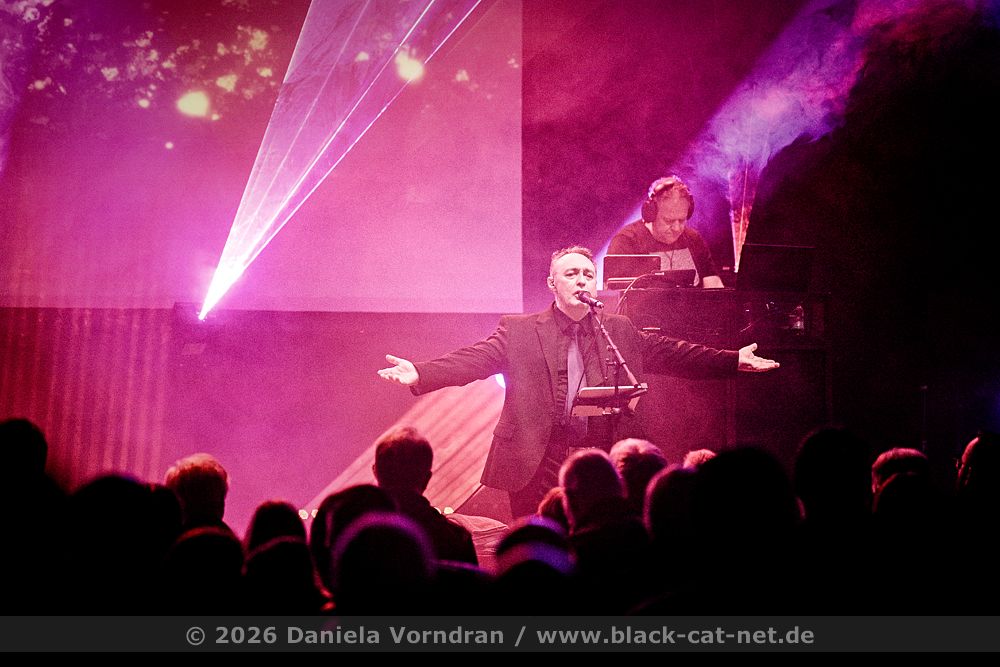
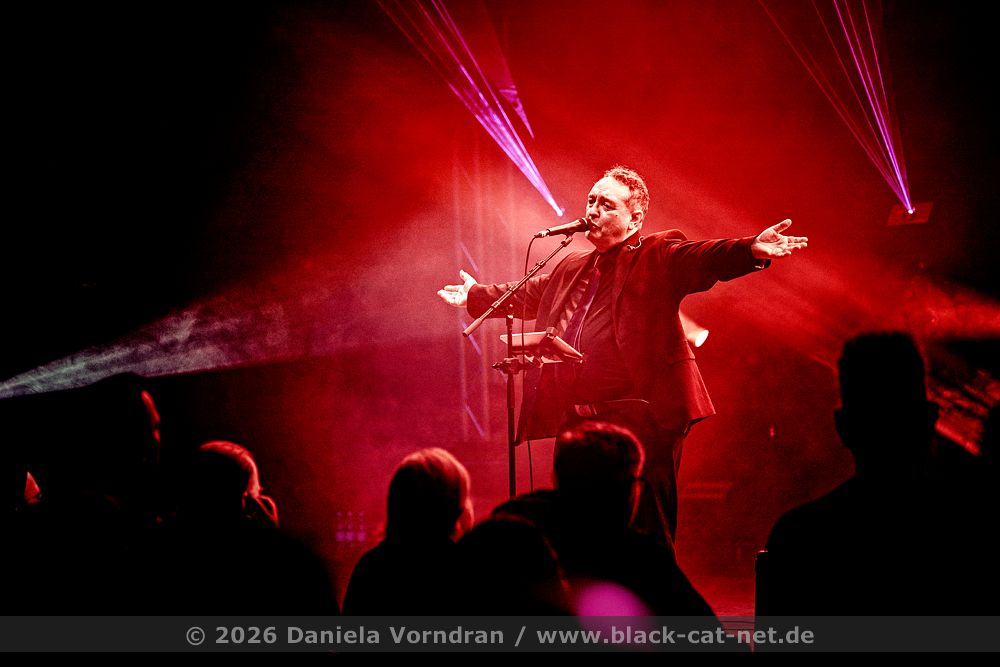
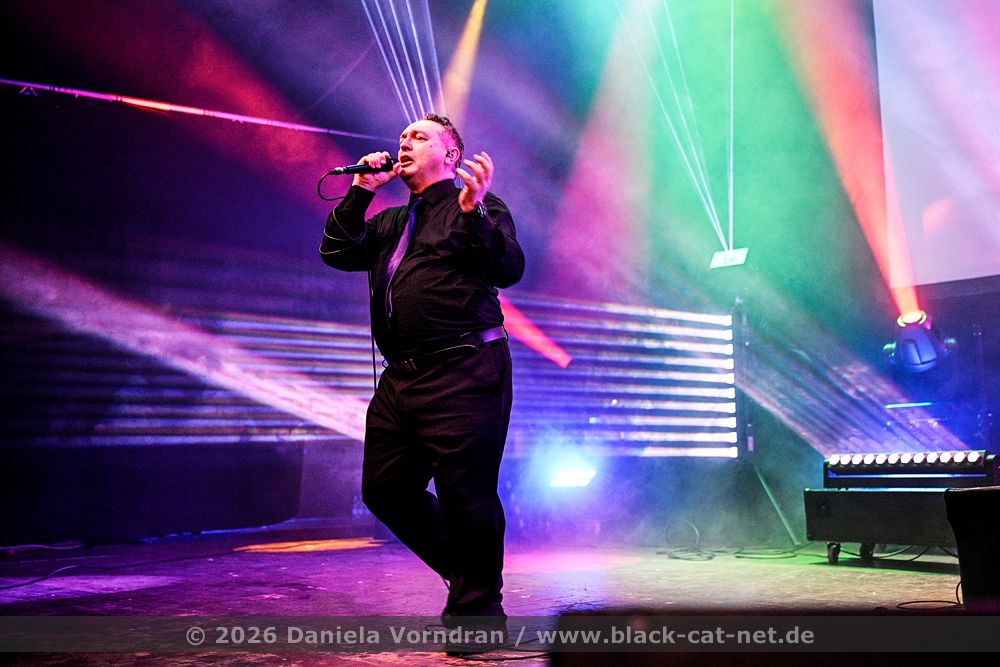
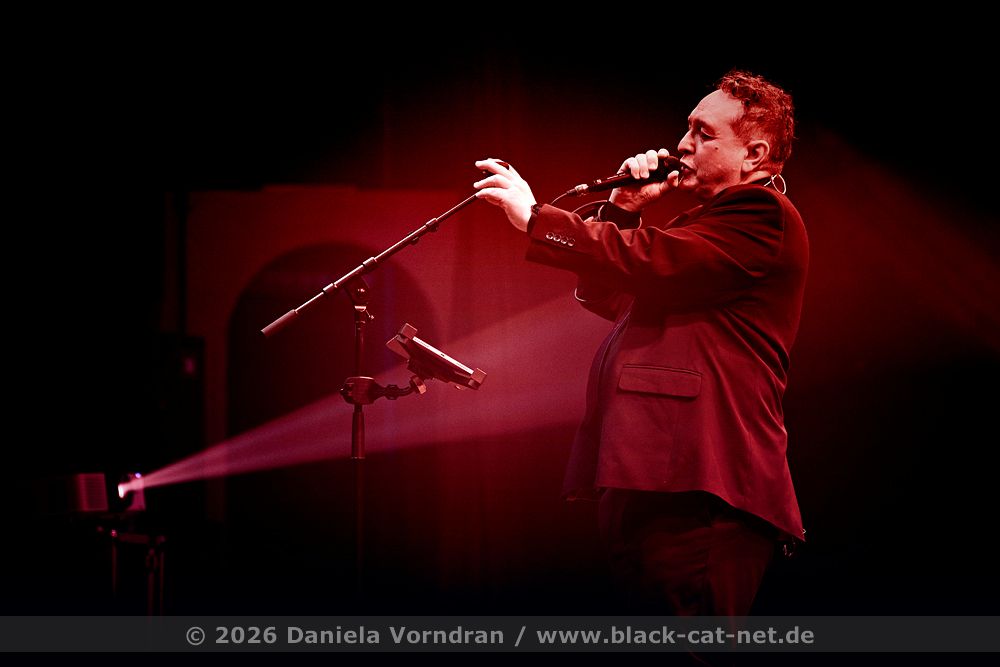
All Pictures taken during the concert at 13th November 2026 in Coesfeld by Daniela Vorndran (http://www.vorndranphotography.com / http://www.facebook.com/blackcatnet)