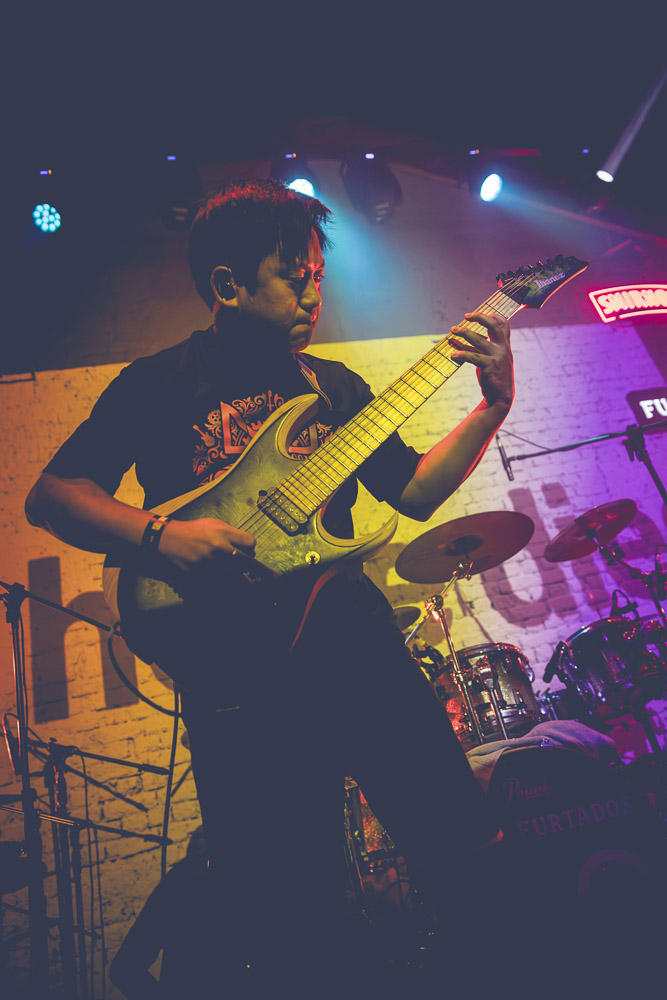


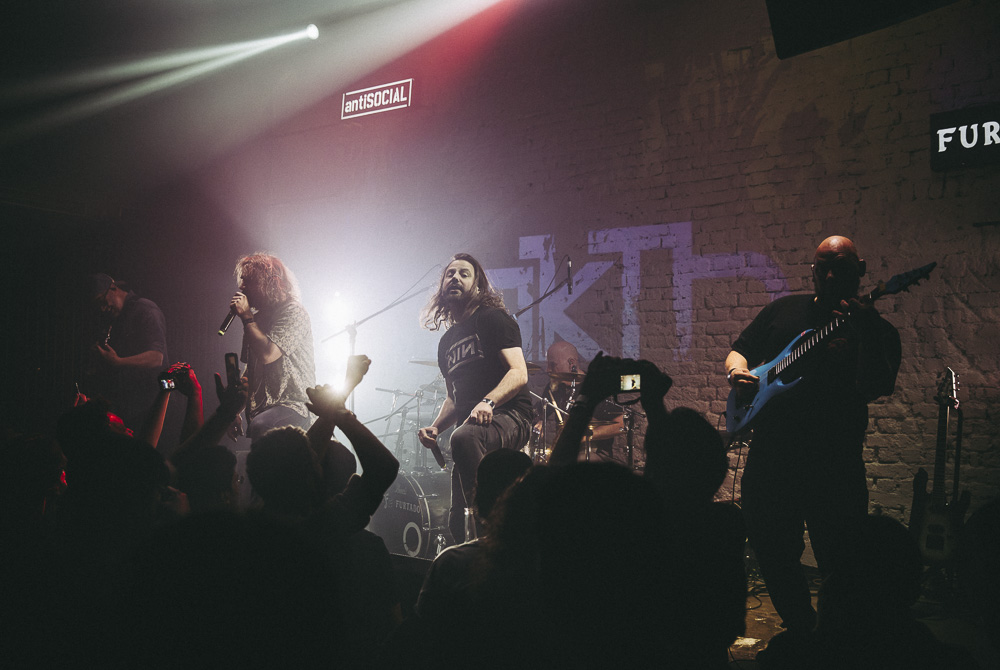
 antiSOCIAL, Mumbai, India
4th November 2026
Sikth - “India Tour 2026” - Support: Arseniic, If Hope Dies
Eleven years after their last visit to India, British Progressive Metal pioneers SIKTH finally returned to Mumbai. And this time, the occasion was particularly special. Celebrating the 20th anniversary of their groundbreaking album ‘Death of a Dead Day’, with original vocalist Justin Hill back in the line-up and a newly remixed and remastered edition of the record on the horizon, the band had plenty of reasons to revisit their musical history.
Following a performance in Bengaluru the previous evening, Mumbai’s antiSOCIAL was next in line for a generous dose of technical brilliance and wonderfully controlled chaos. With ARSENIIC and IF HOPE DIES, the concert also introduced two promising acts connected to India’s northeastern and Himalayan Metal scenes. And although the evening began with the customary interpretation of Indian Standard Time, the wait would prove more than worthwhile.
Arseniic
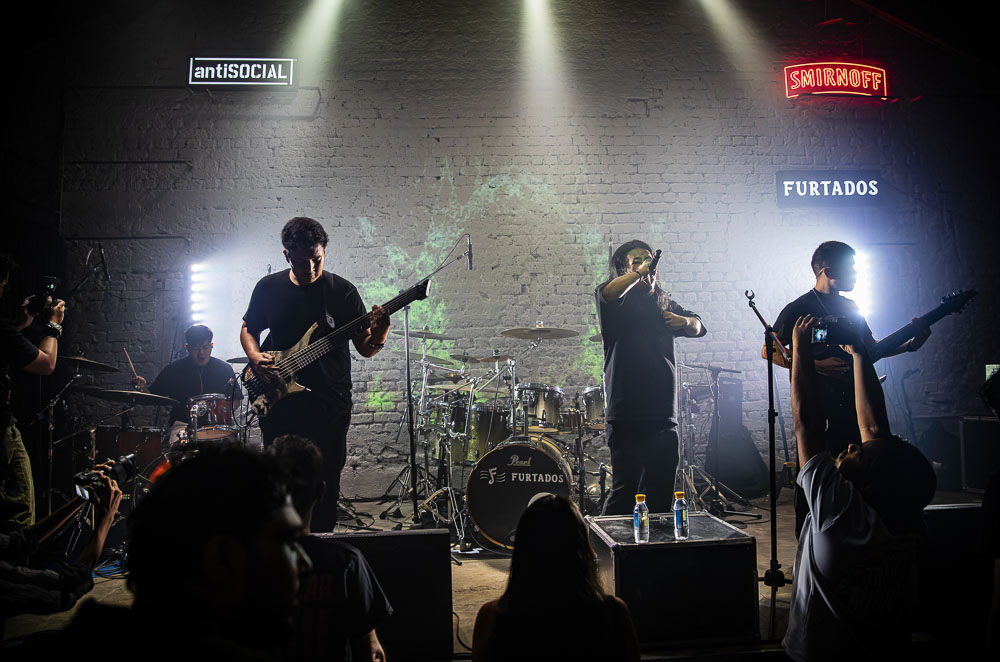
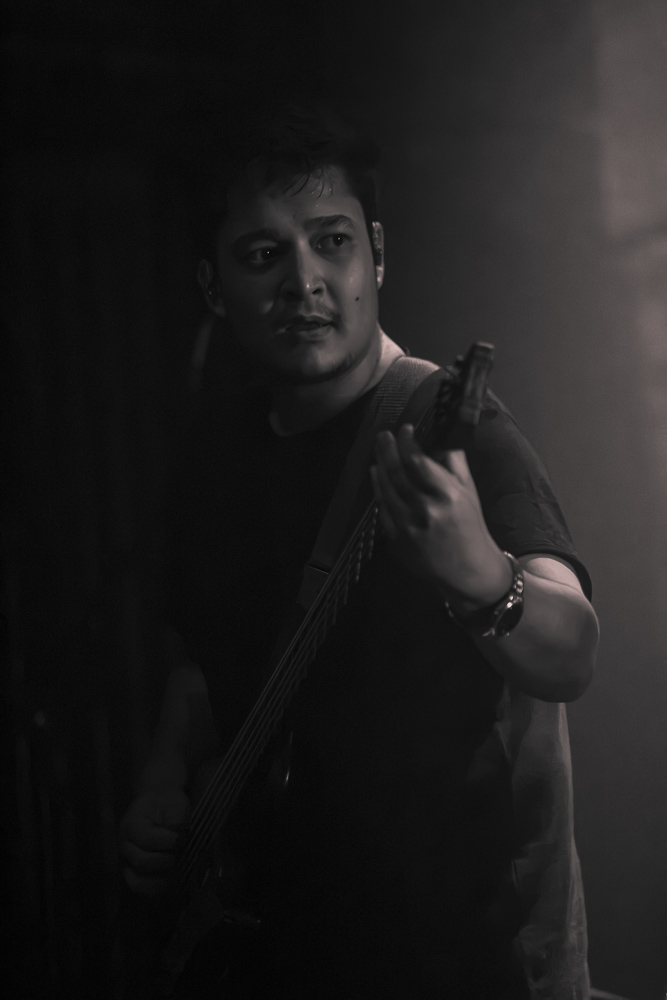
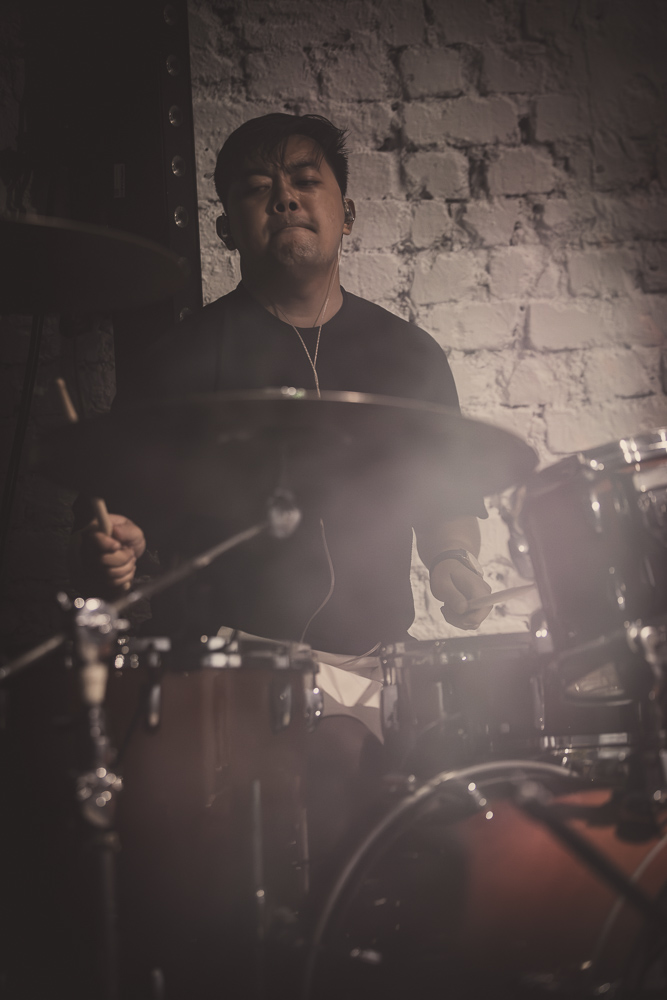
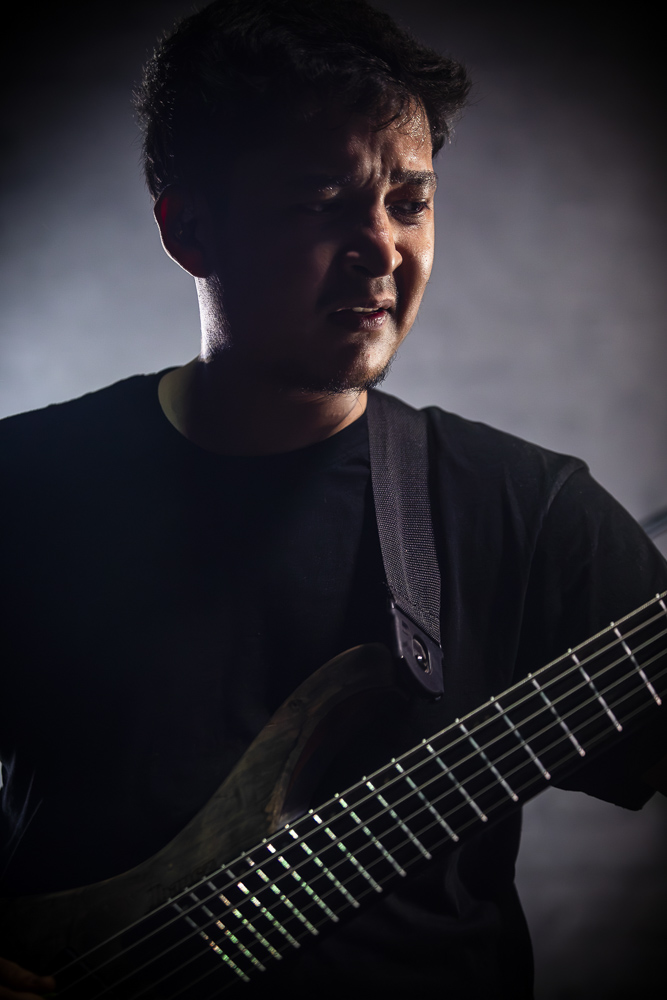
Hailing from Guwahati, Assam, ARSENIIC have been developing their distinctive sound since 2013. Combining Progressive Metal, Djent-influenced rhythms and powerful, groove-driven arrangements, the band draw inspiration from the complexity of acts such as MESHUGGAH while developing their own musical identity. Their 2020 single ‘Maraud’ demonstrated their technical ambitions, and their participation in the GROOVE IN SESSIONS project further highlighted their musical abilities. Emerging from Northeast India’s independent Metal scene, ARSENIIC represent a region whose musical talent deserves considerably more international attention.
Music & Performance
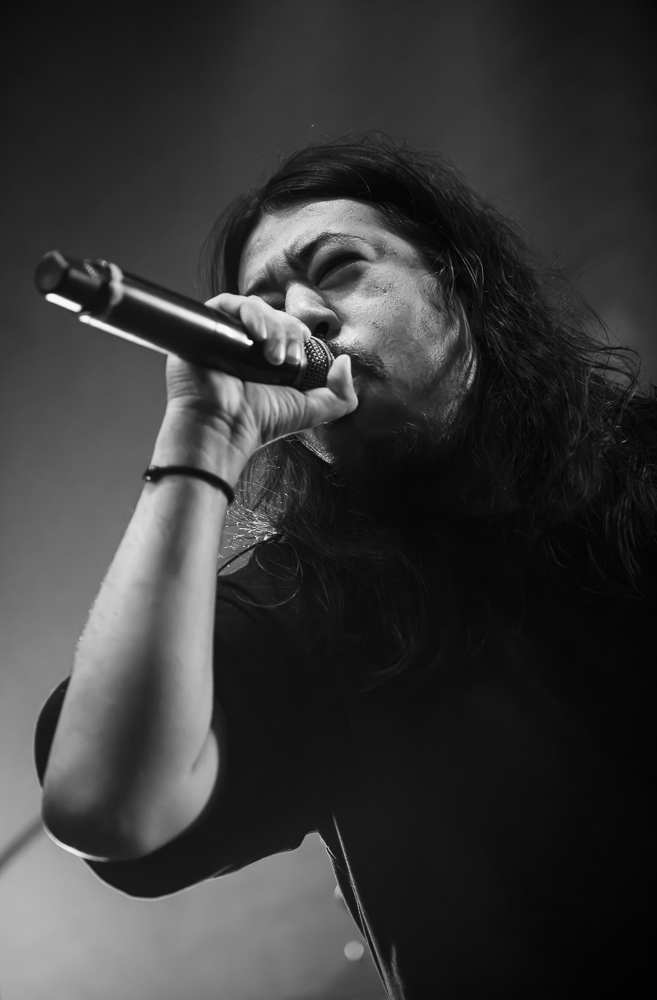
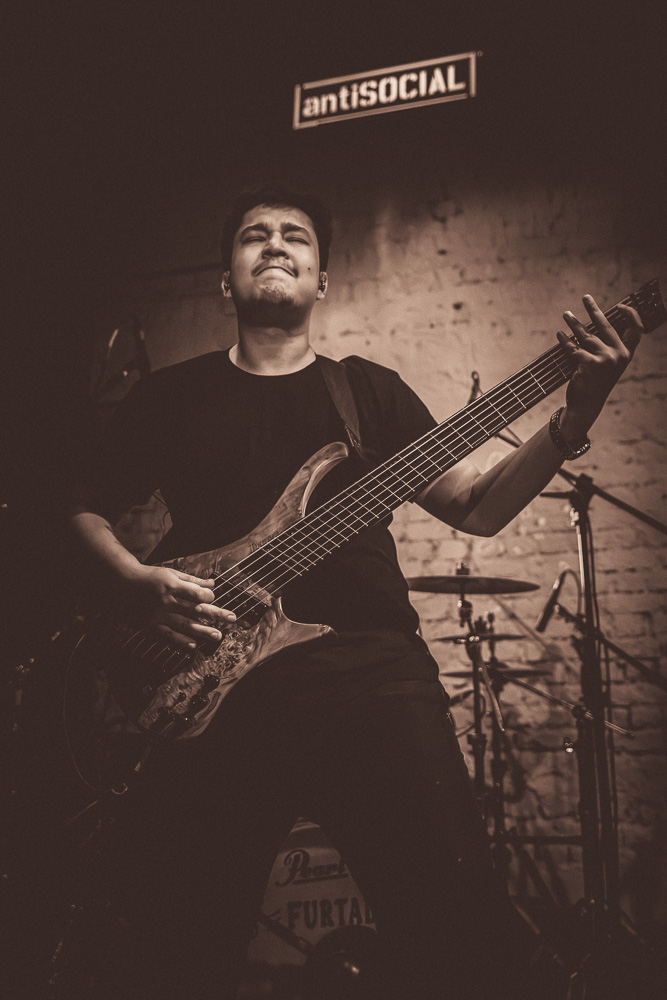
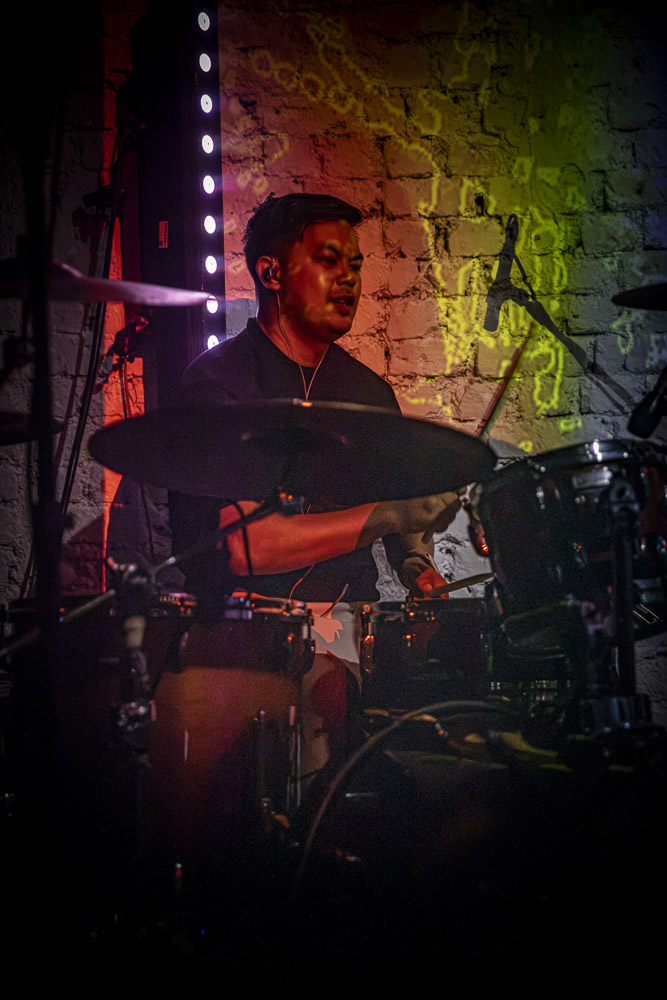
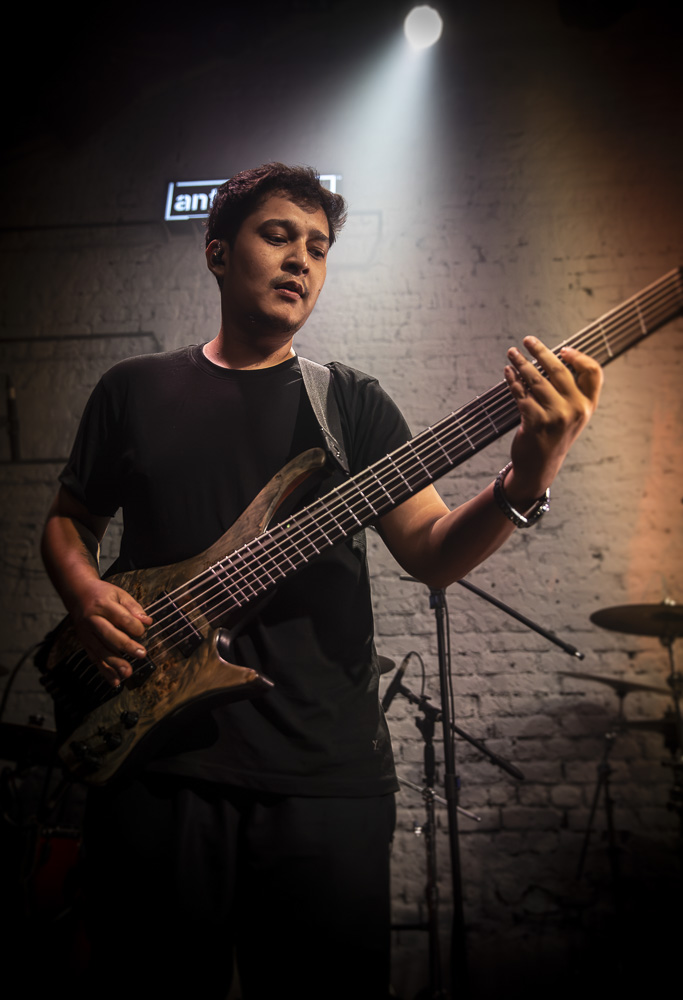
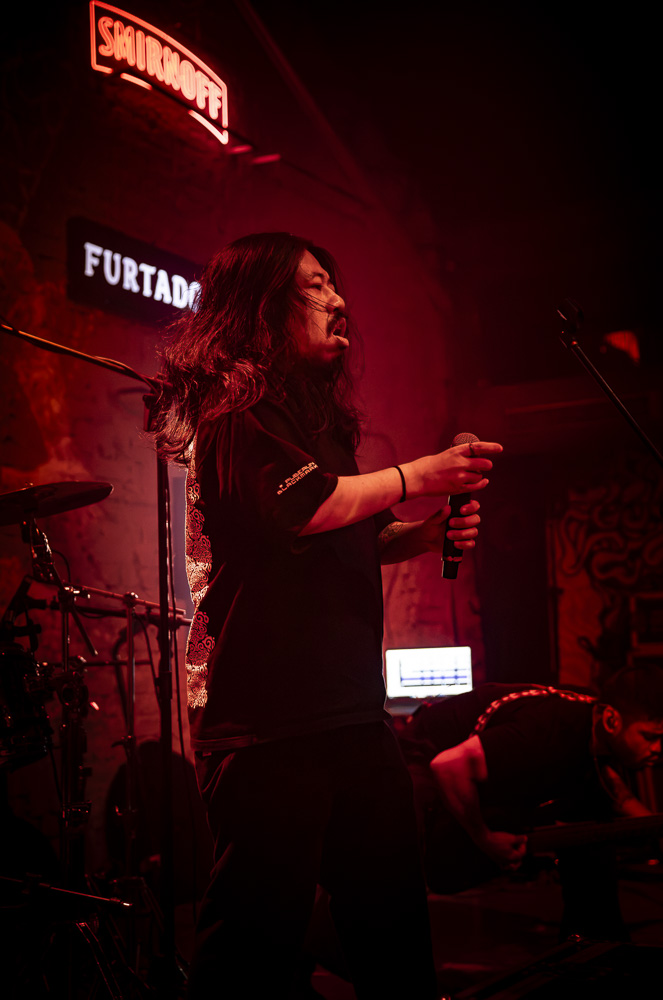
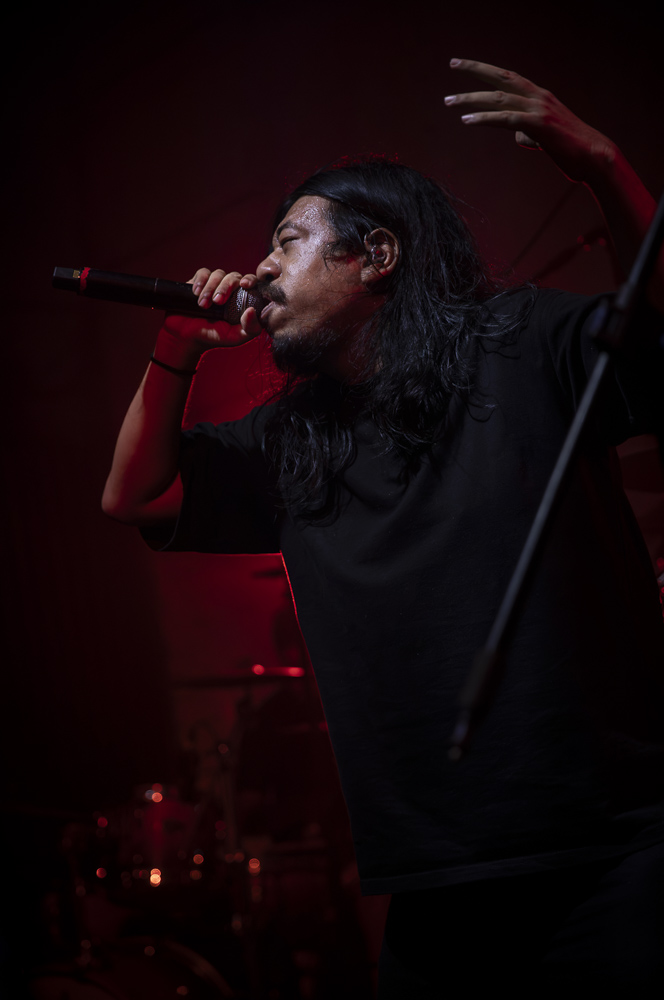
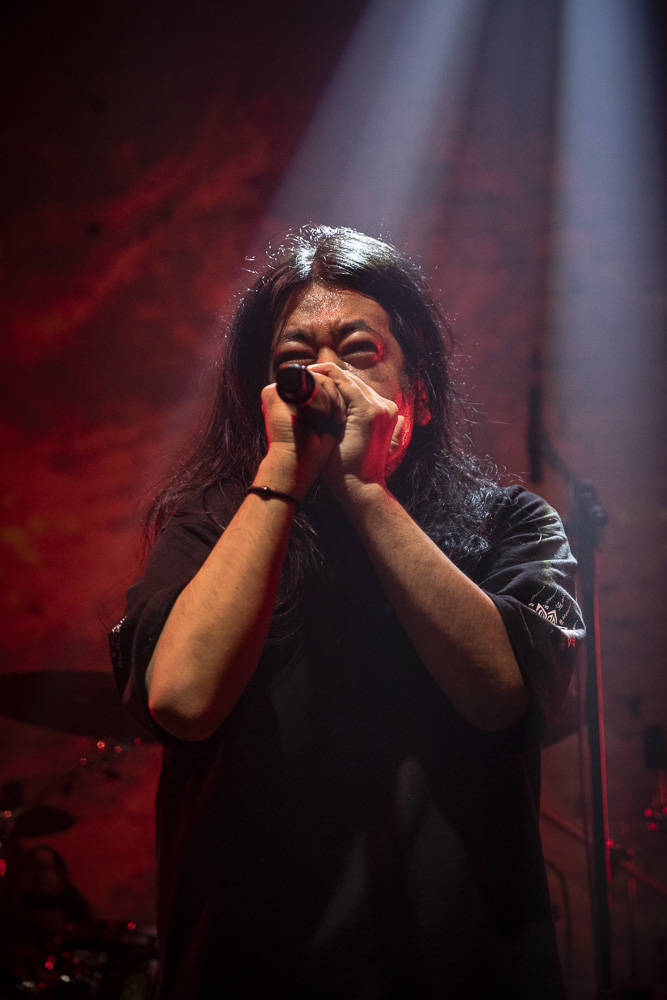
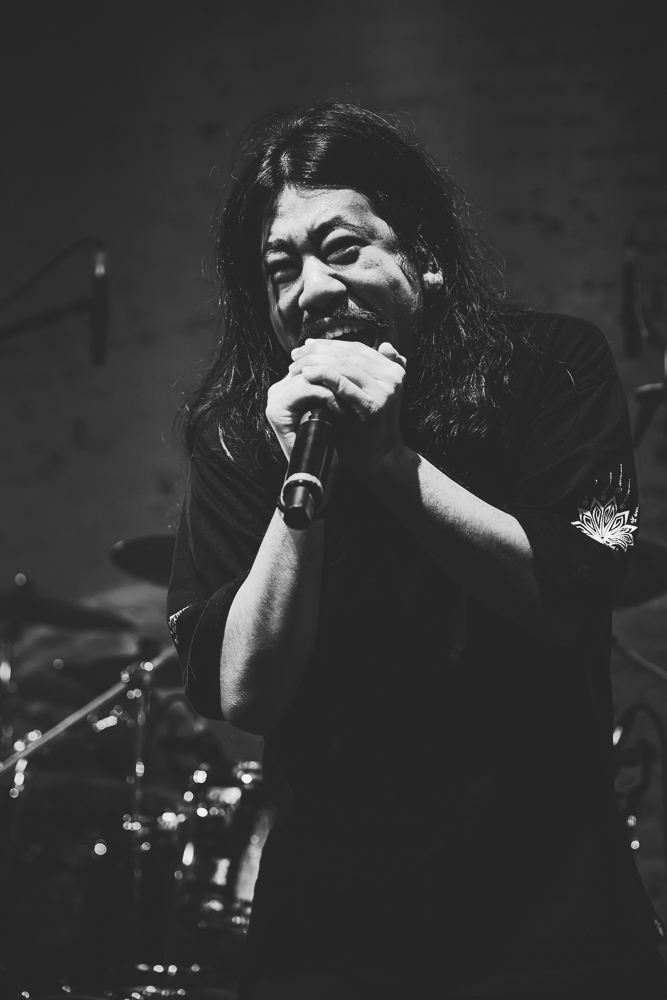
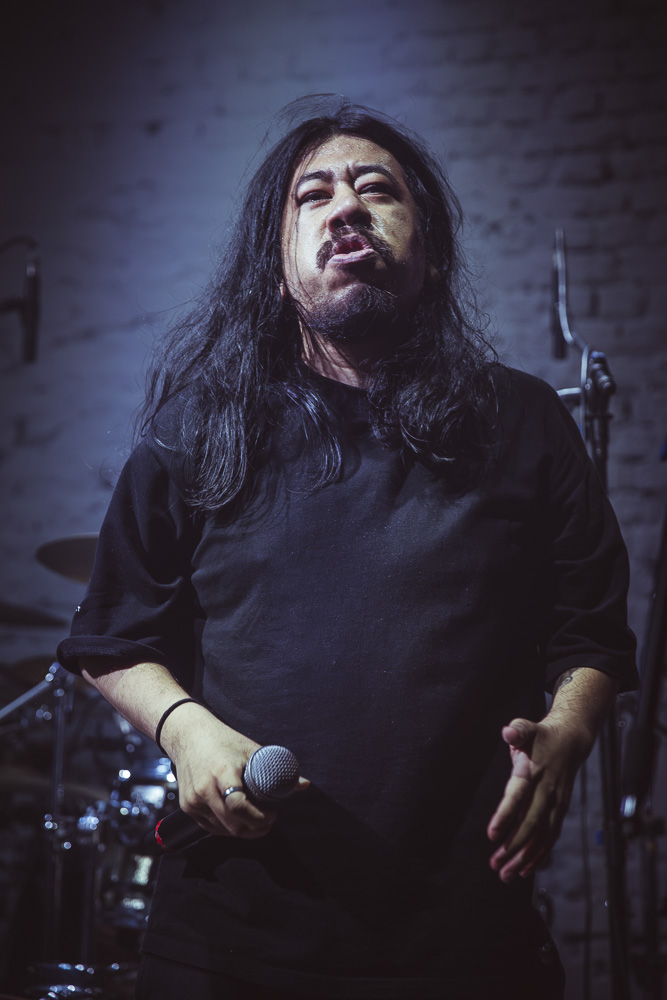
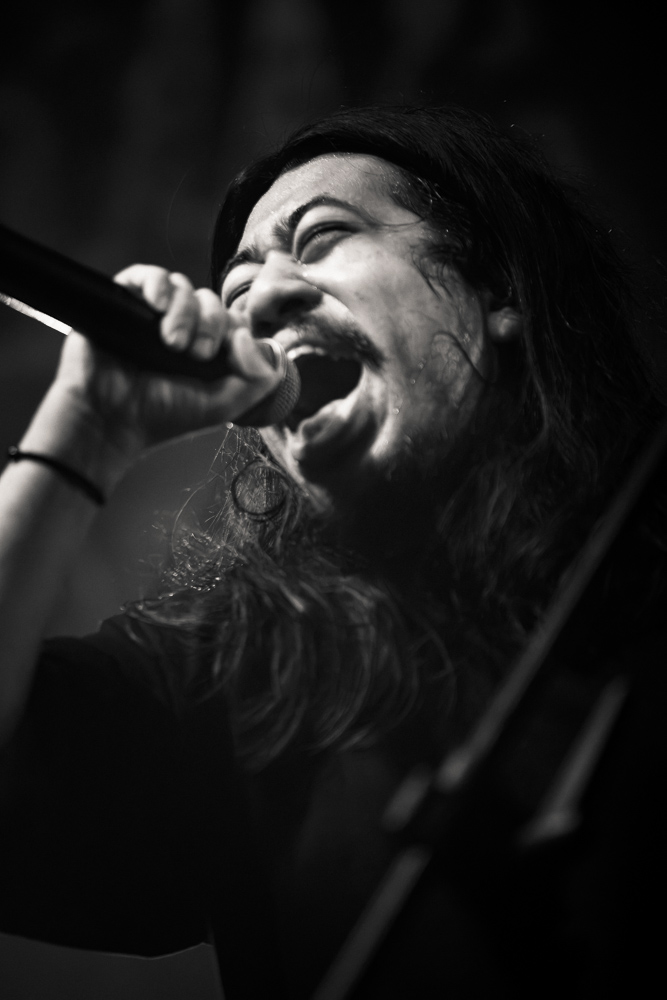
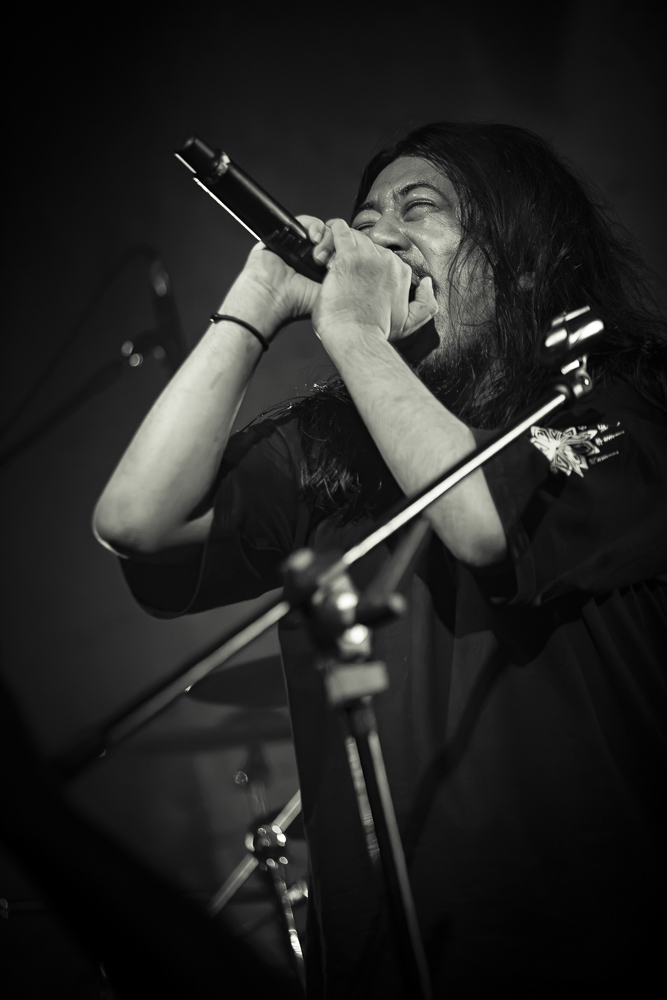
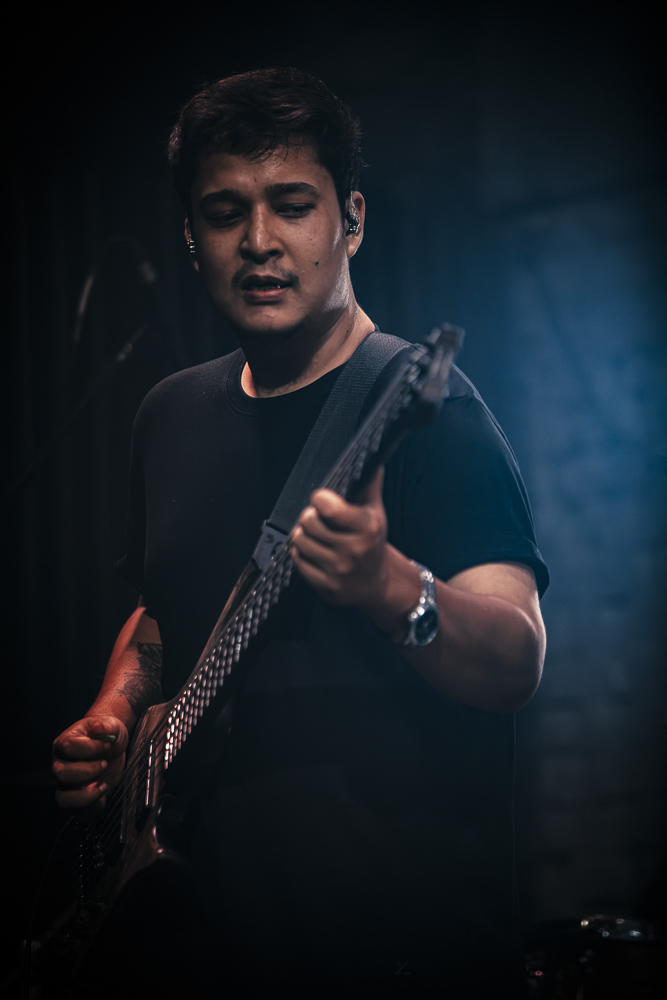
Opening a concert is rarely the easiest task, particularly when the audience is still settling in after a delayed start. Nevertheless, ARSENIIC delivered a confident performance, combining intricate guitar work with powerful grooves and heavy rhythms. Their music provided an excellent introduction to the technical complexity that would become a recurring theme throughout the evening. Having developed a growing interest in the music emerging from Northeast India, discovering a band from Assam on a Mumbai stage was a particularly welcome surprise. Their energetic performance gradually brought the room to life and set the tone for what was to follow.



If Hope Dies
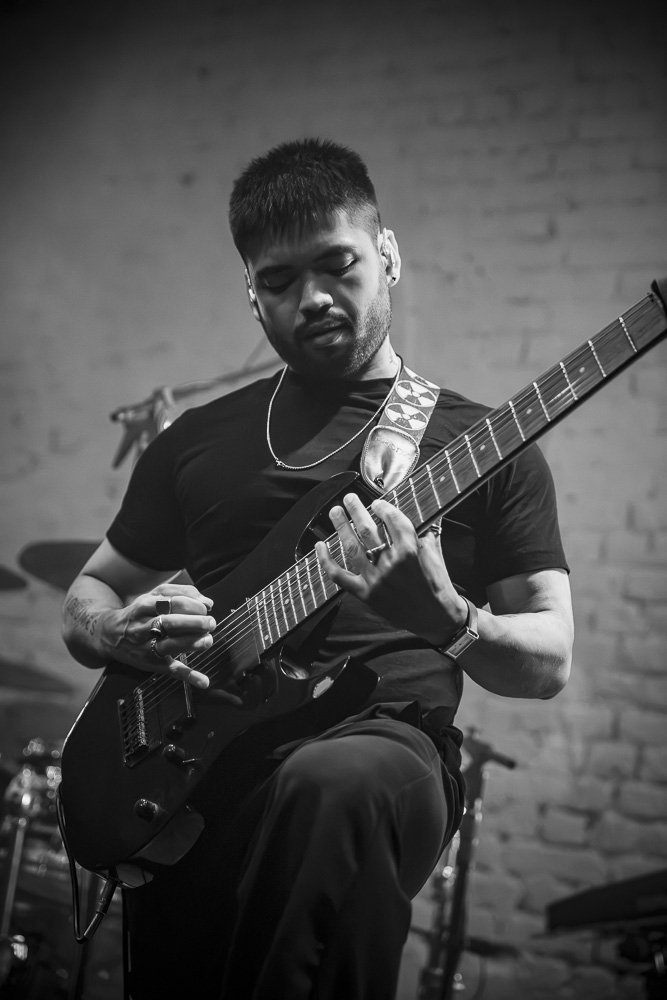
Formed in 2010 in Sukna, near Darjeeling in northern West Bengal, IF HOPE DIES emerged from a region where independent Metal musicians have often had to create their own opportunities. With strong connections to neighbouring Sikkim and the wider Himalayan music scene, the band combine Technical Metal, Progressive influences and Metalcore aggression. Their independently produced debut EP ‘Sukna’ appeared in 2016, followed by further releases and an expanding presence on India’s live circuit. Their 2026 ‘Break the Silence Tour’ has taken them to several cities across the country, demonstrating their determination to reach new audiences.
Music & Performance
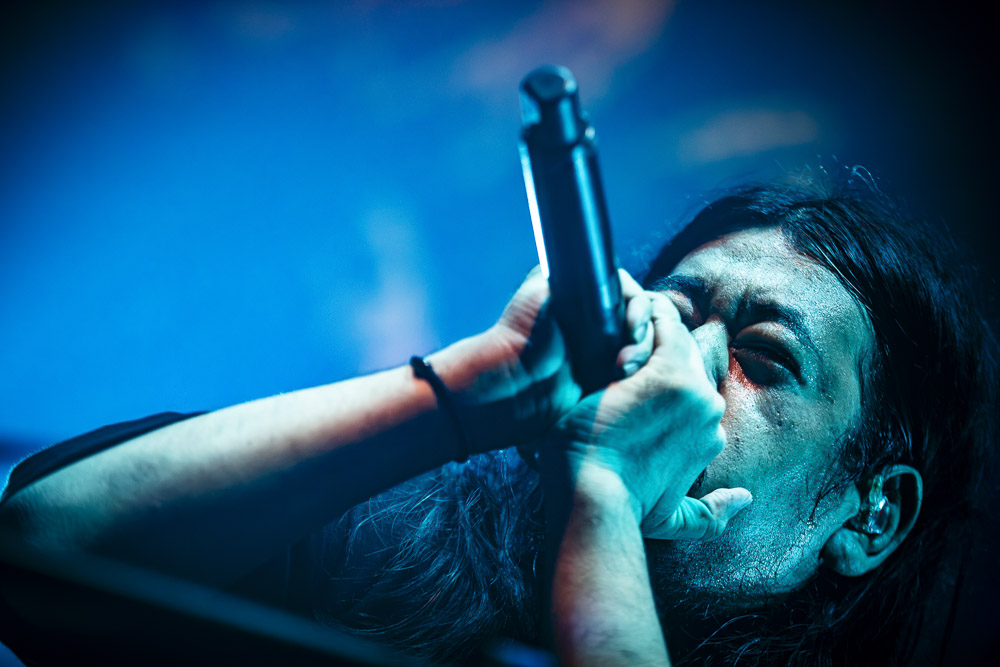
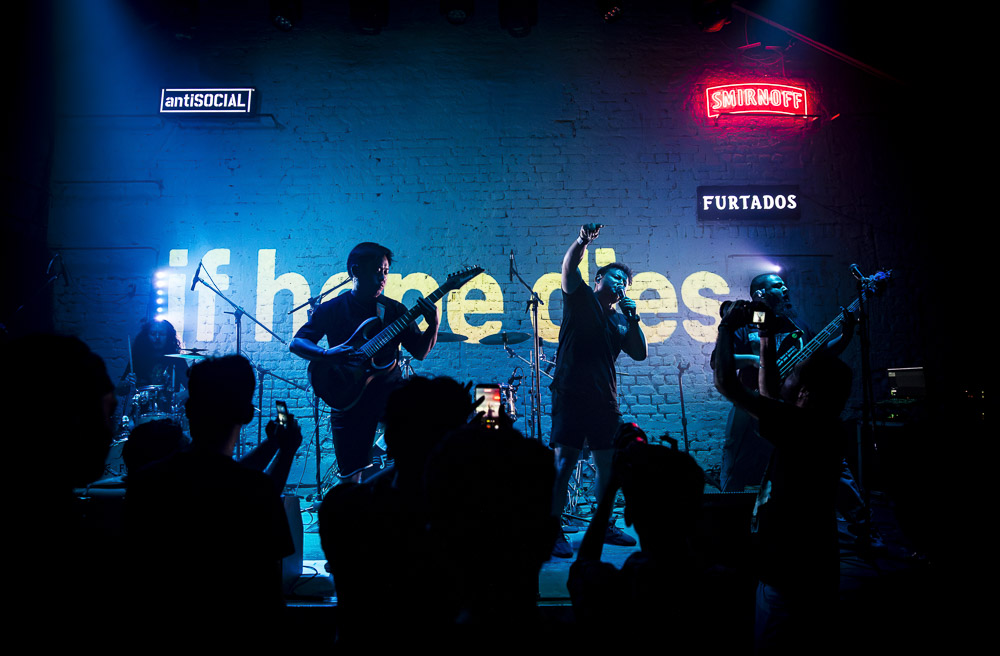
IF HOPE DIES were clearly determined to raise the temperature inside antiSOCIAL, although Mumbai initially seemed somewhat reluctant to cooperate. The audience remained surprisingly reserved during the early part of their performance, something that evidently did not escape the attention of the vocalist. At one point, he even described Mumbai as “lame”. Ouch! Not exactly the warmest compliment for the local Metalheads.
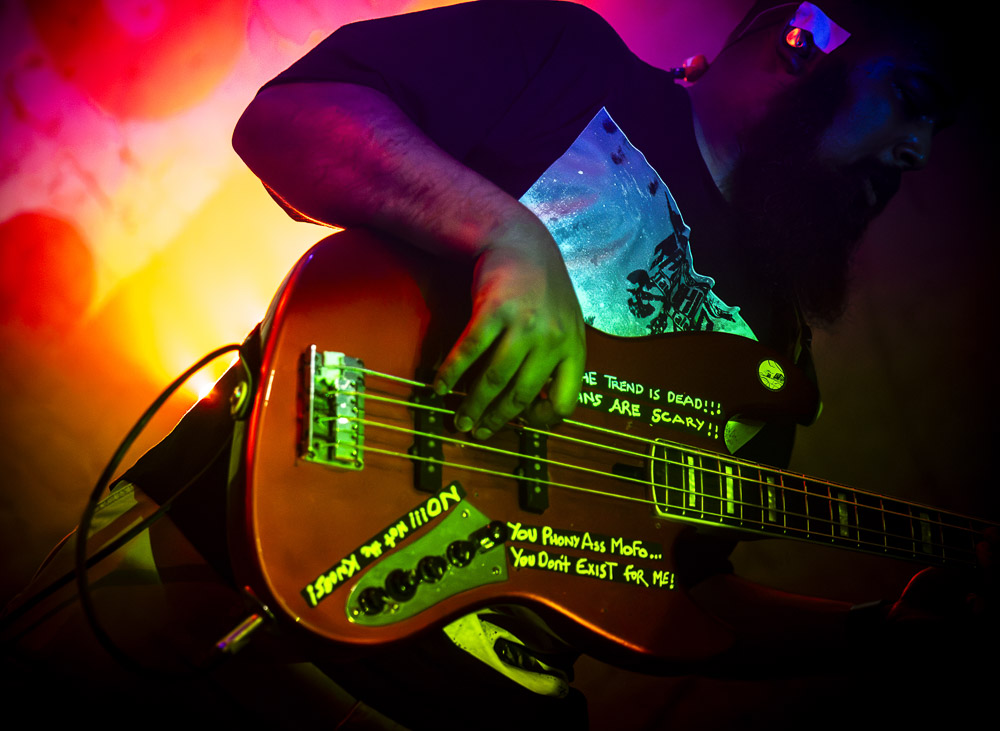
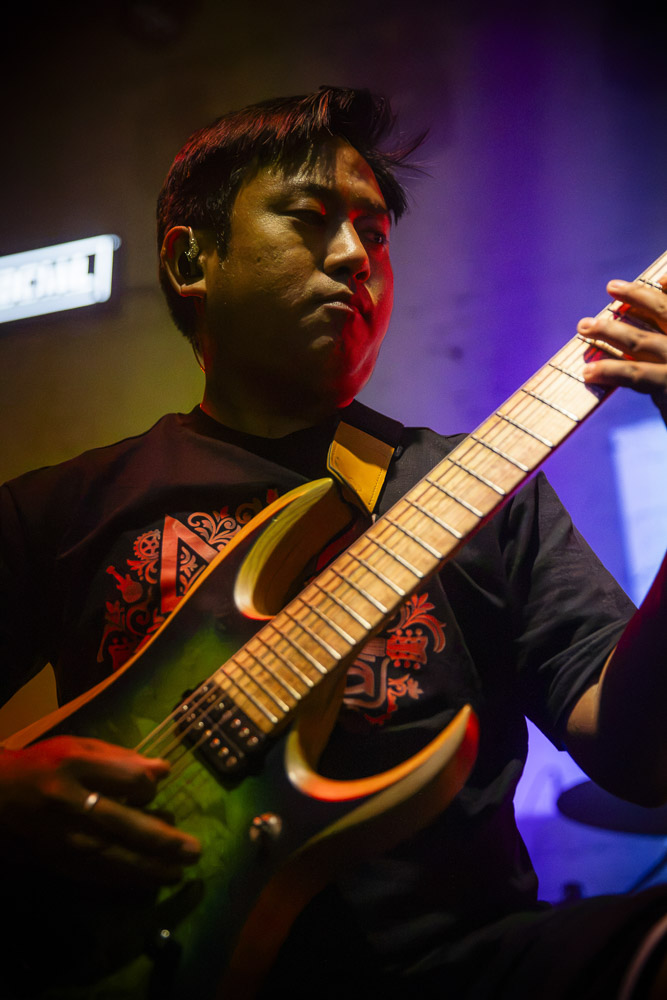
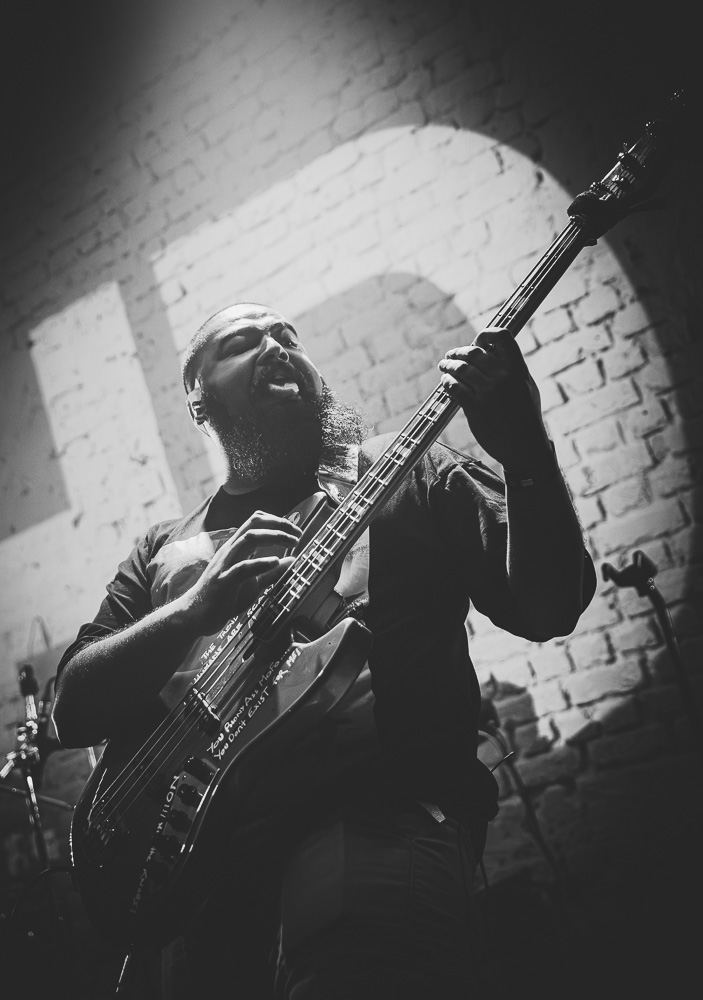
But perhaps a little provocation was exactly what the evening needed. As the performance progressed, the atmosphere gradually changed. Heavy breakdowns, aggressive vocals and intricate guitar passages provided plenty of encouragement, while the audience became increasingly responsive. What had started as a somewhat hesitant encounter developed into a much livelier exchange. The band warmed up to Mumbai, and Mumbai warmed up to the band. Quite literally, considering the temperatures. By the end of their set, the initial reserve had largely disappeared, and the audience was more than ready for the evening’s headliners.







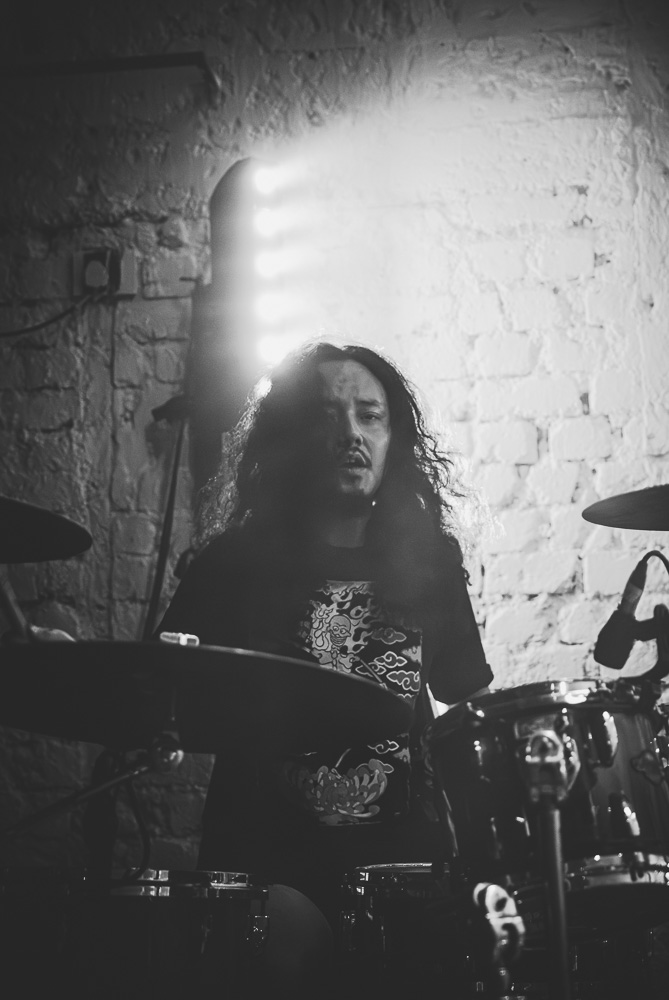
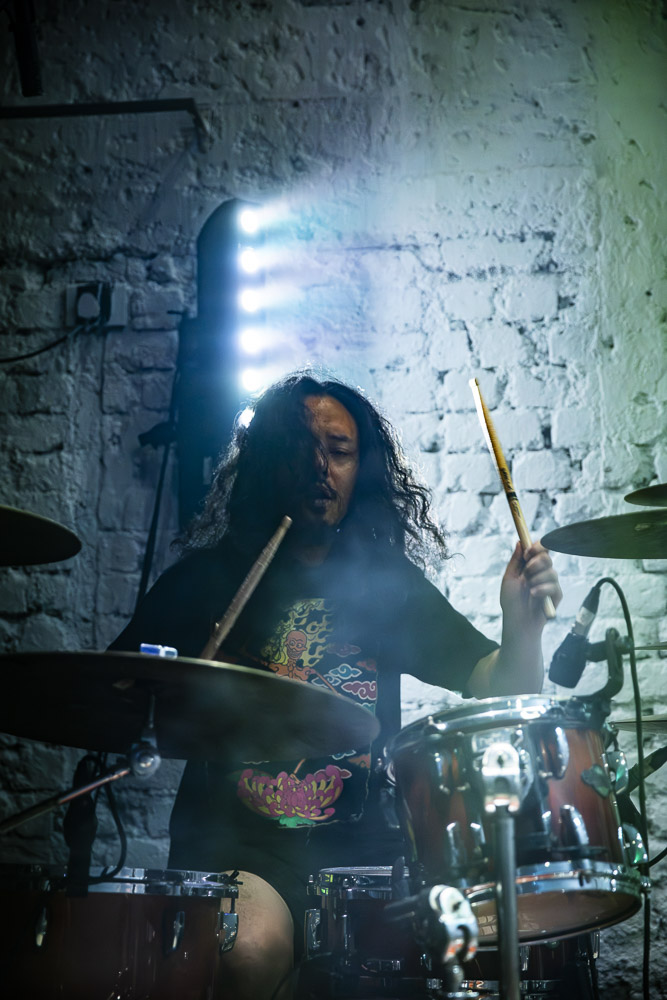


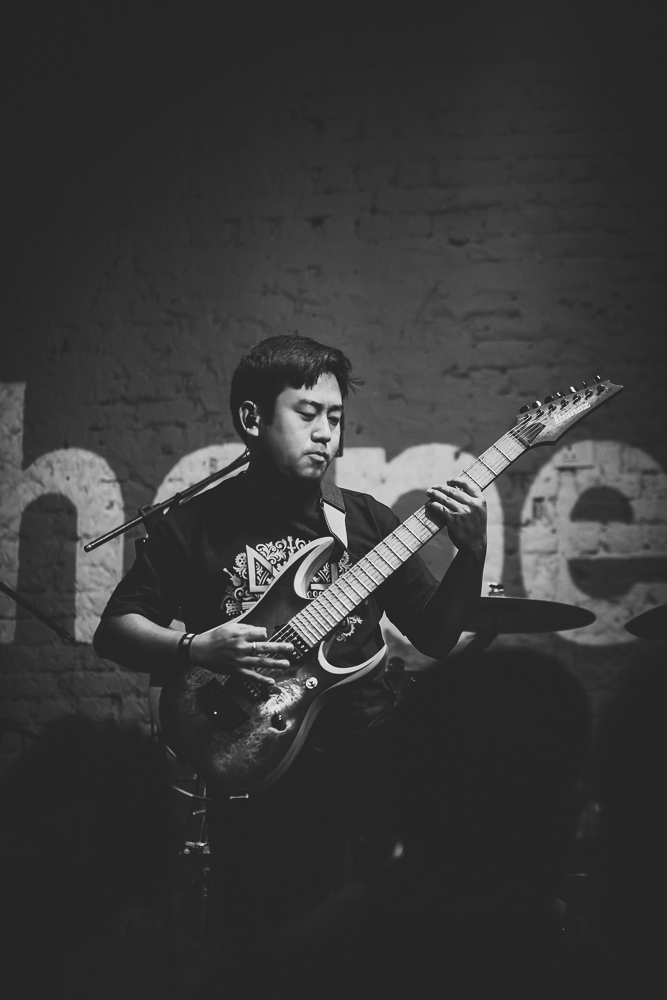
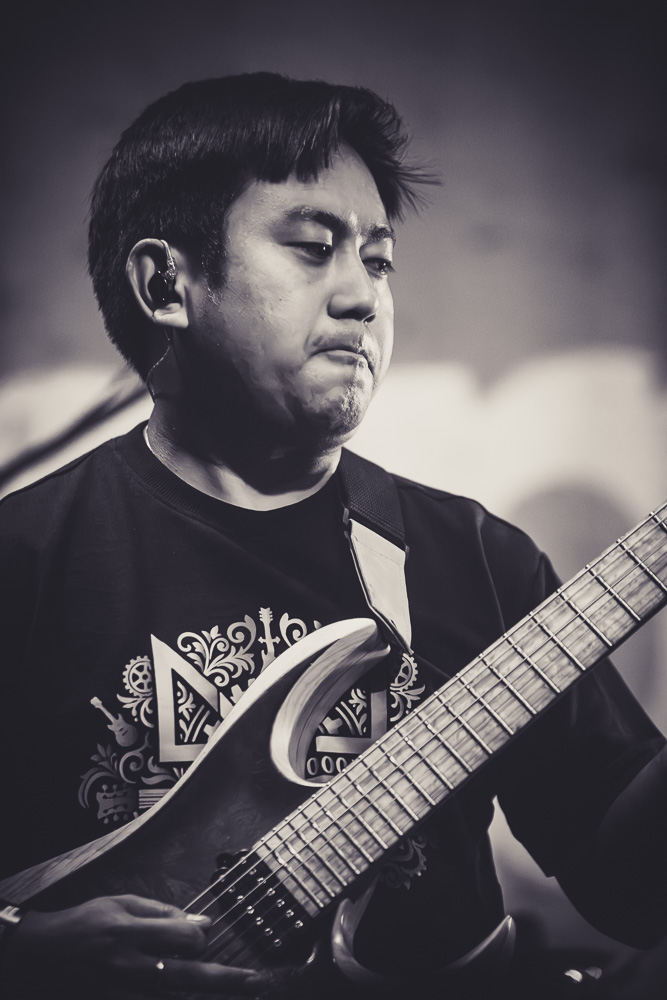
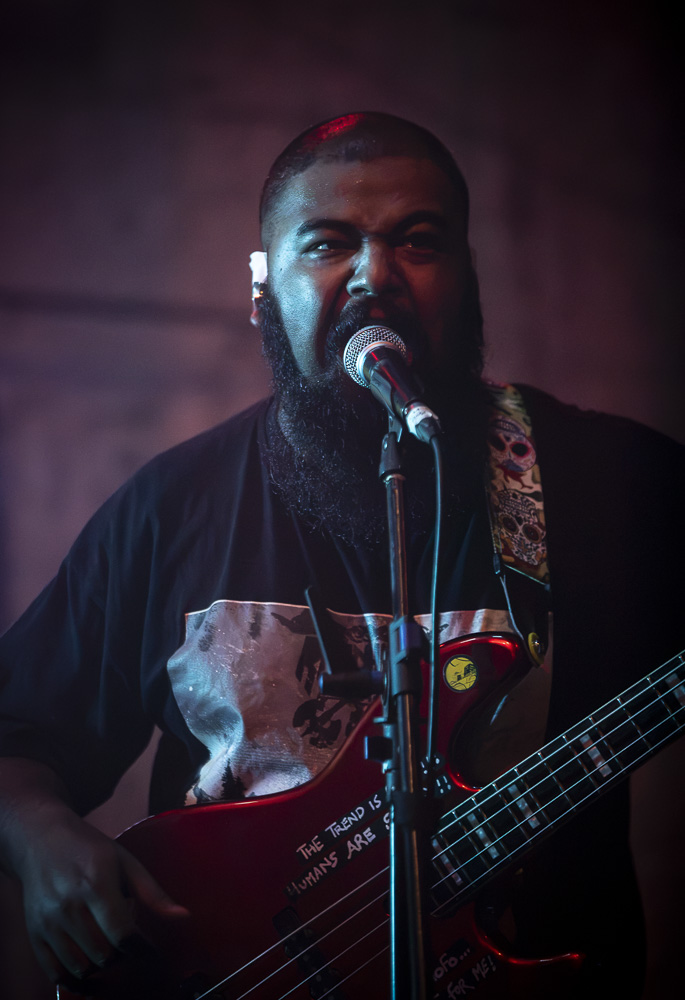
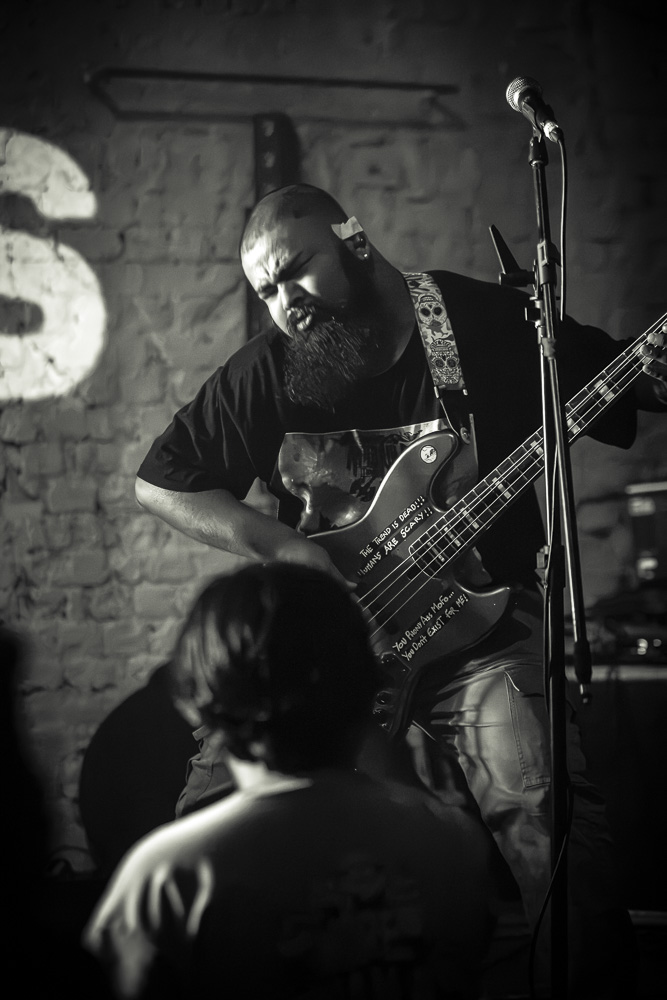
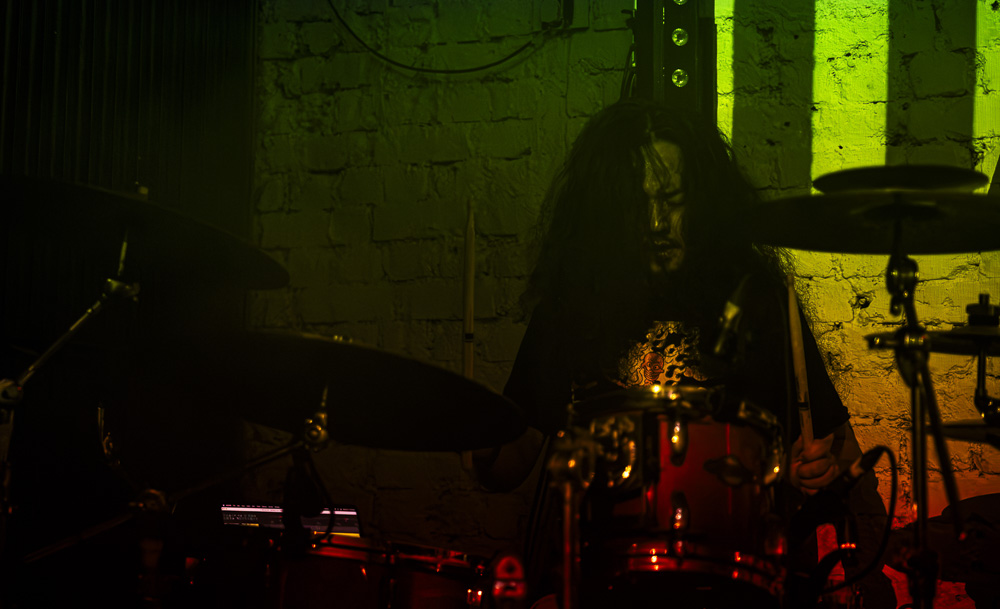

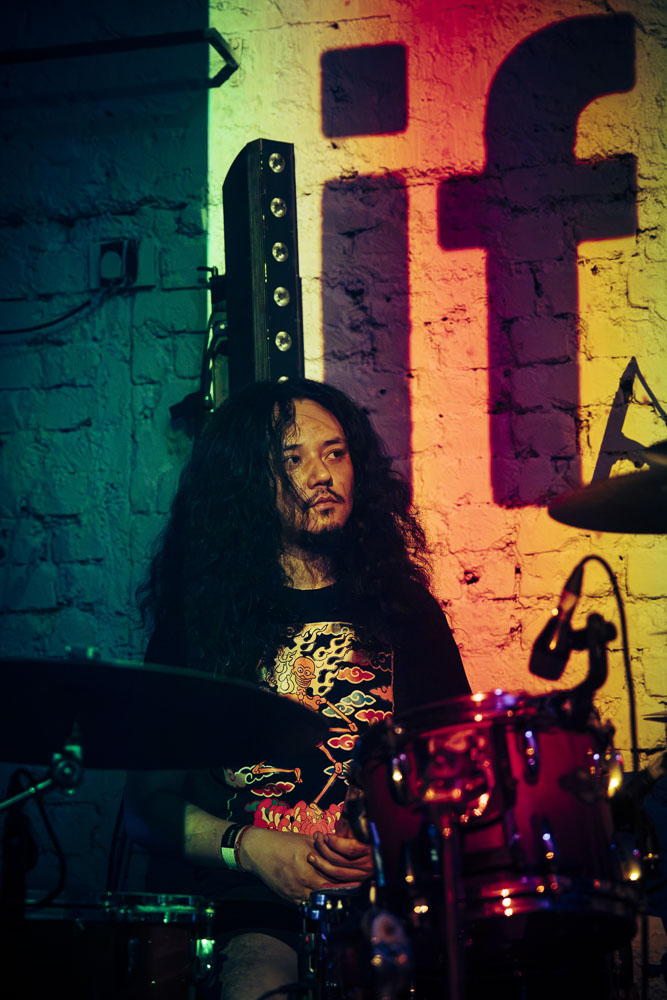
Sikth
Formed in Hertfordshire, England, in 2000, SIKTH are widely regarded as pioneers of modern Progressive Metal and an important influence on the development of Djent and Technical Metalcore. Their groundbreaking albums ‘The Trees Are Dead & Dried Out Wait for Something Wild’ (2003) and ‘Death of a Dead Day’ (2006) challenged conventional songwriting with intricate guitar arrangements, unpredictable rhythms and an extraordinary dual-vocal approach. The interaction between Mikee Goodman and Justin Hill became one of the band’s defining characteristics, combining aggressive screams, spoken passages, melodic experimentation and almost theatrical vocal exchanges.
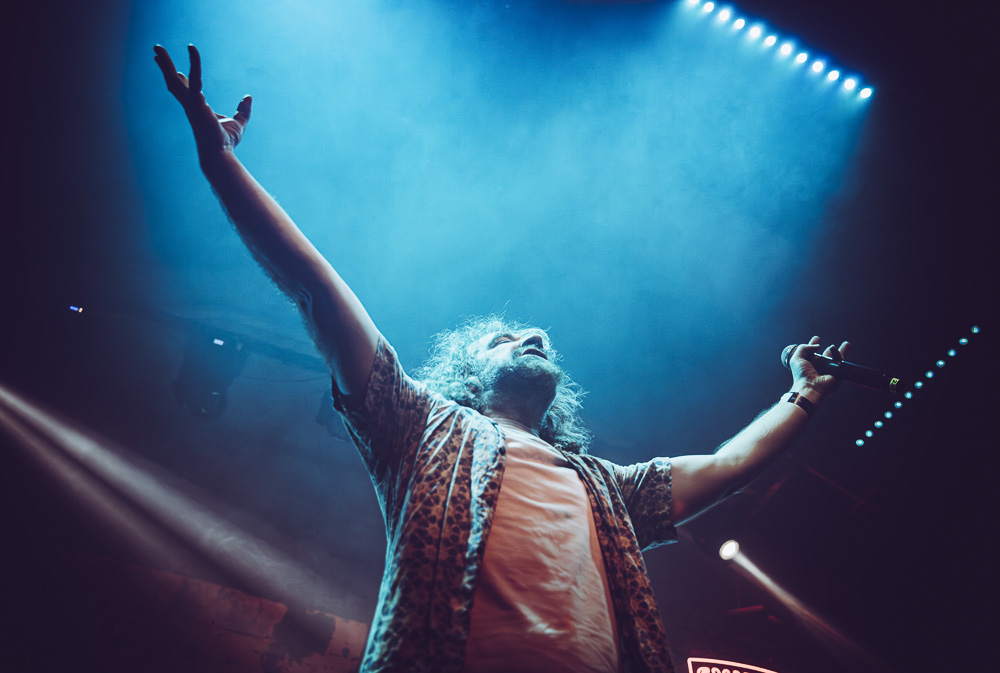
Following their reunion in 2014, SIKTH continued their musical journey with the EP ‘Opacities’ and the album ‘The Future in Whose Eyes?’. The timing of their return to India was particularly significant. In 2026, the band are celebrating the 20th anniversary of ‘Death of a Dead Day’, with Justin Hill back alongside Mikee Goodman. A newly remixed and remastered edition, ‘Death of a Dead Day MMXXVI’, is scheduled for release on 4th December 2026, while the musicians are also working on their long-awaited fourth studio album. Their return to Mumbai after eleven years therefore marked not only a reunion with Indian fans, but also an exciting new chapter in the band’s history.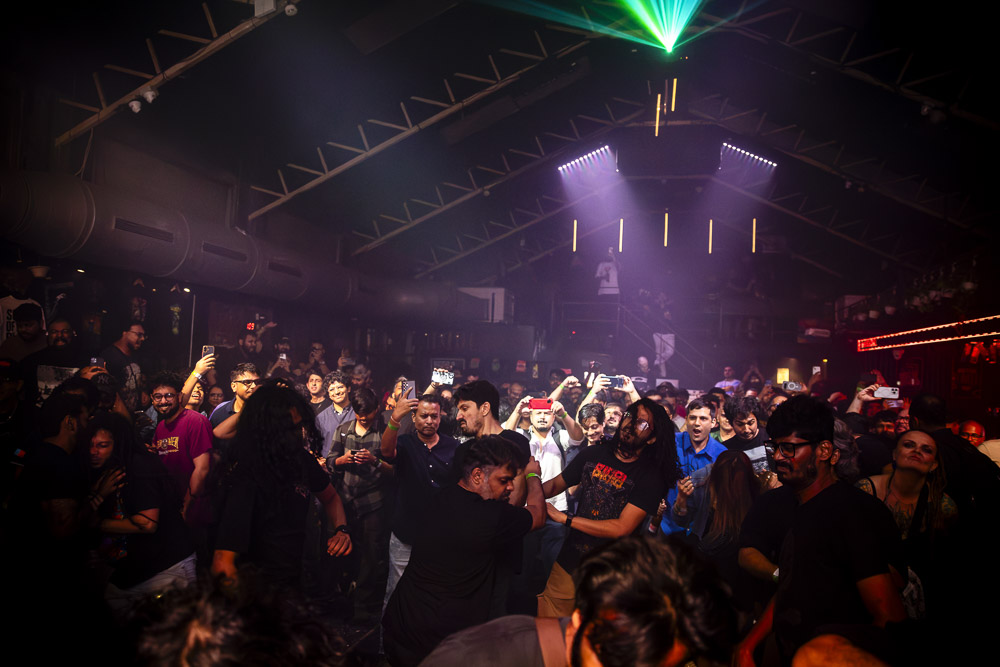
Music & Performance
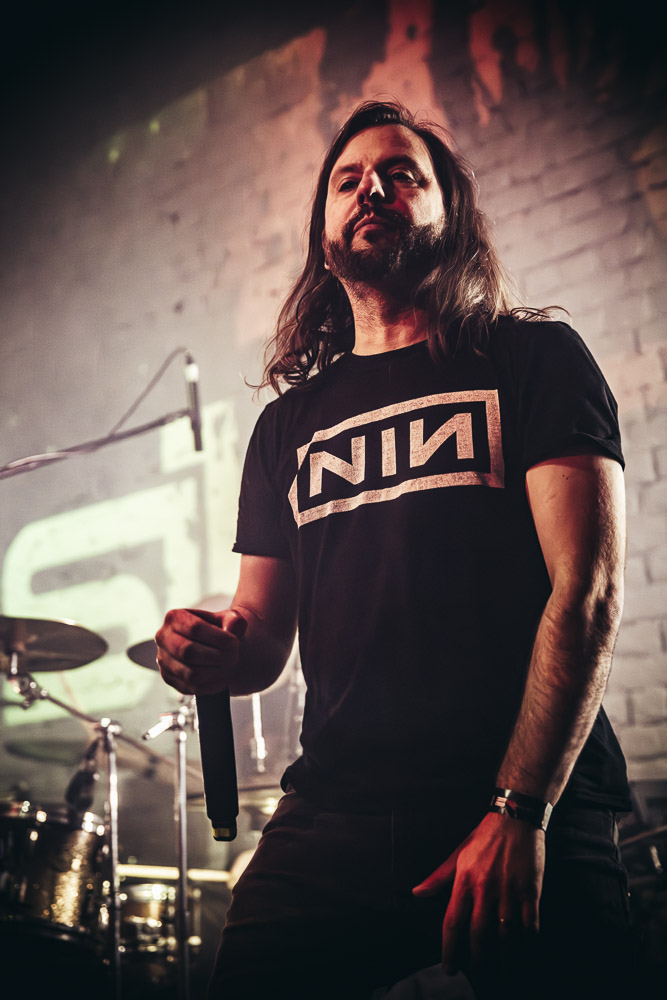
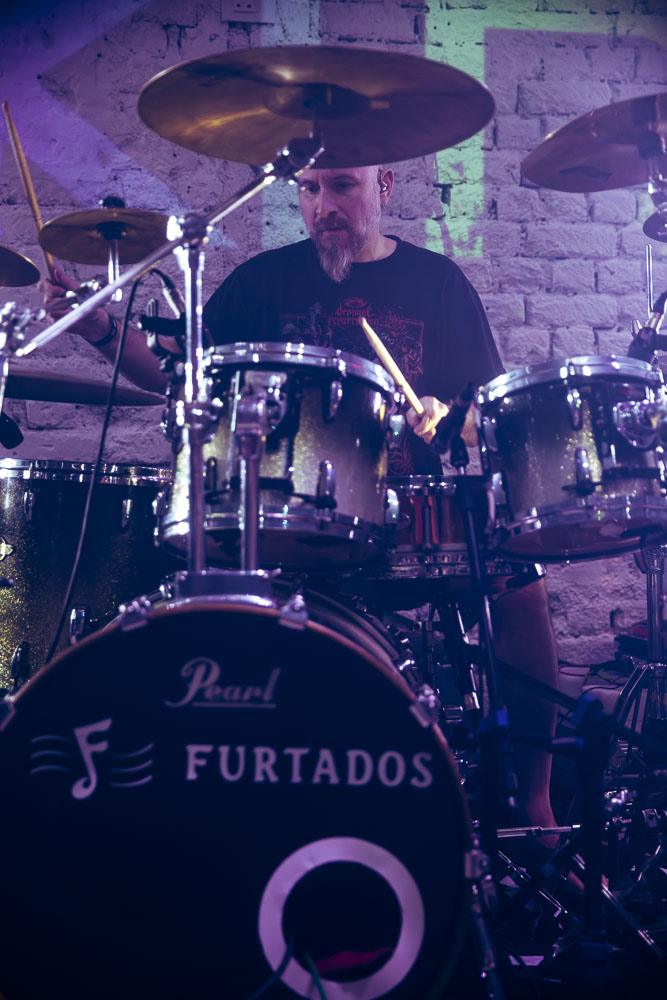
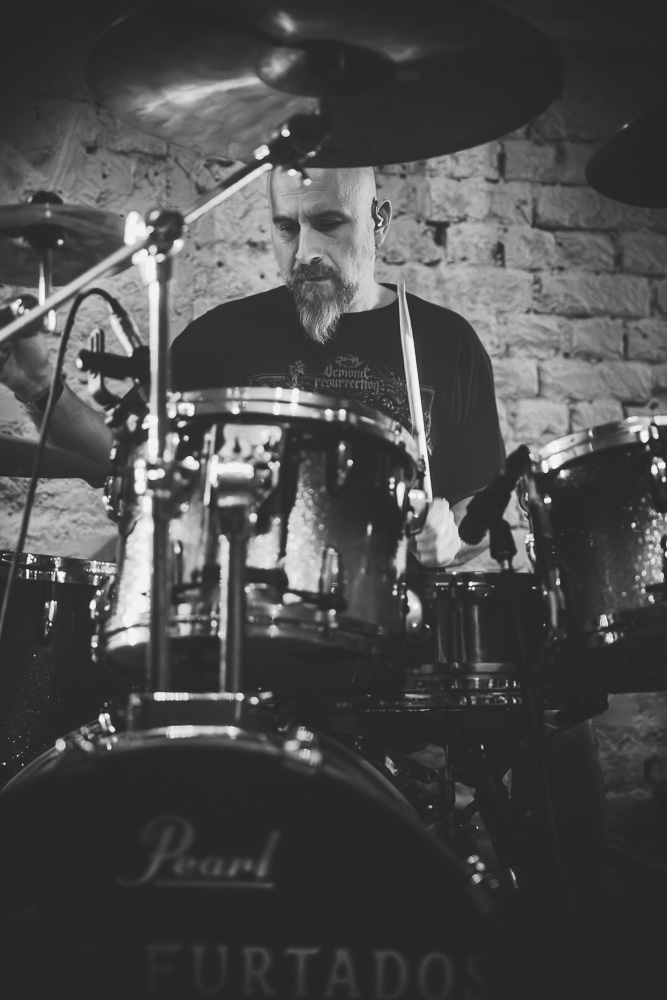
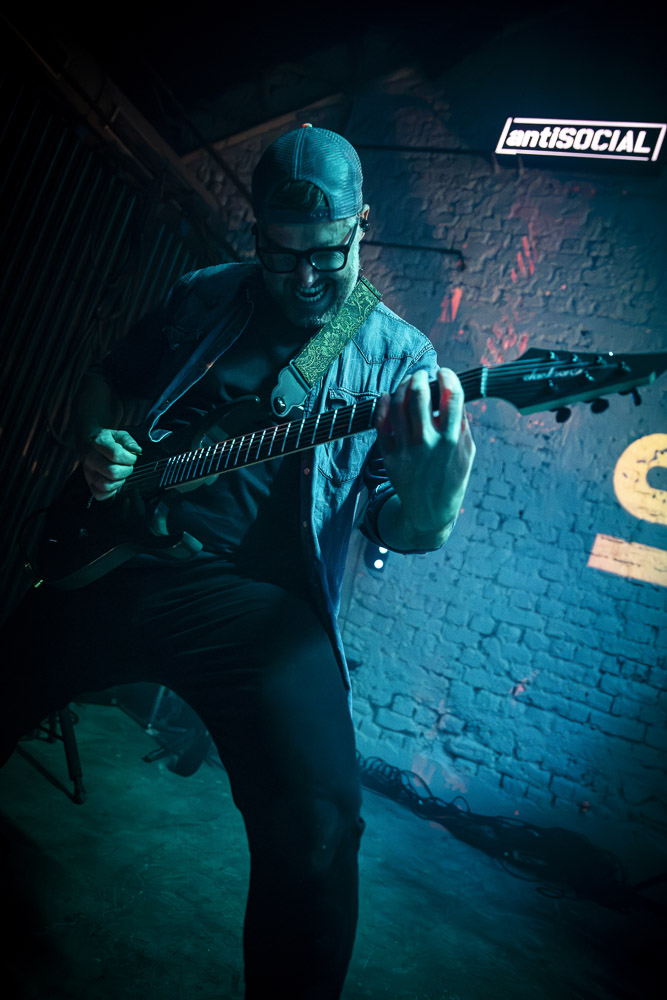
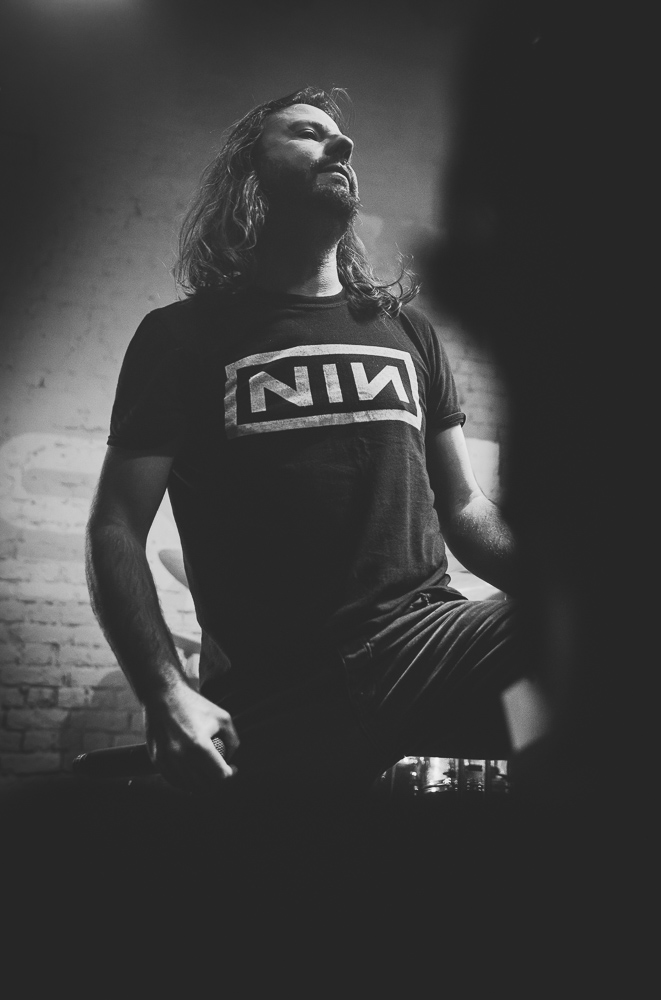
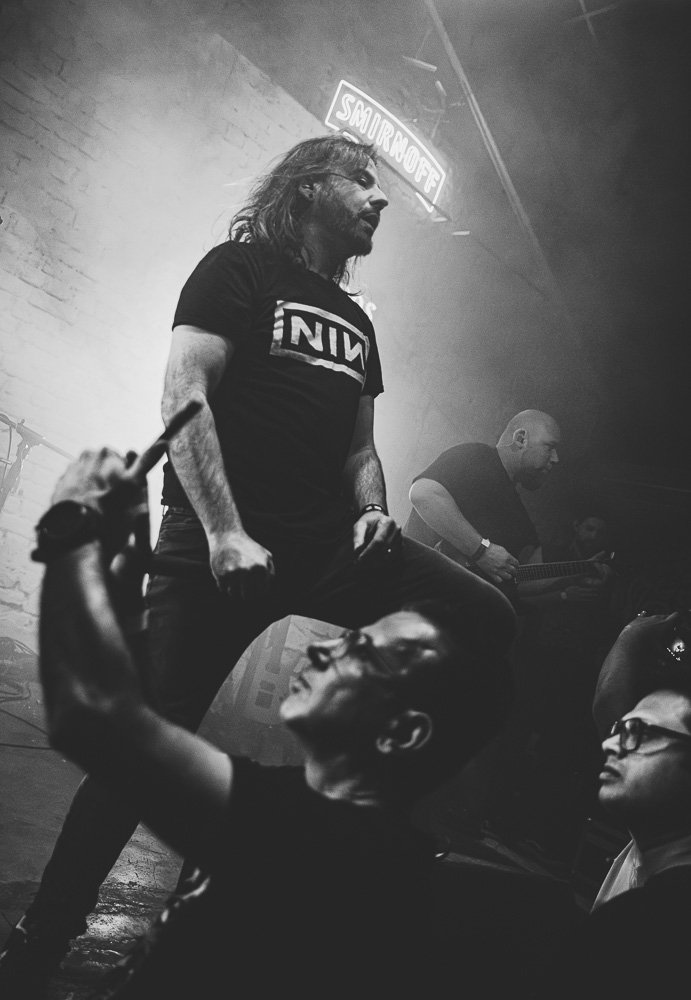
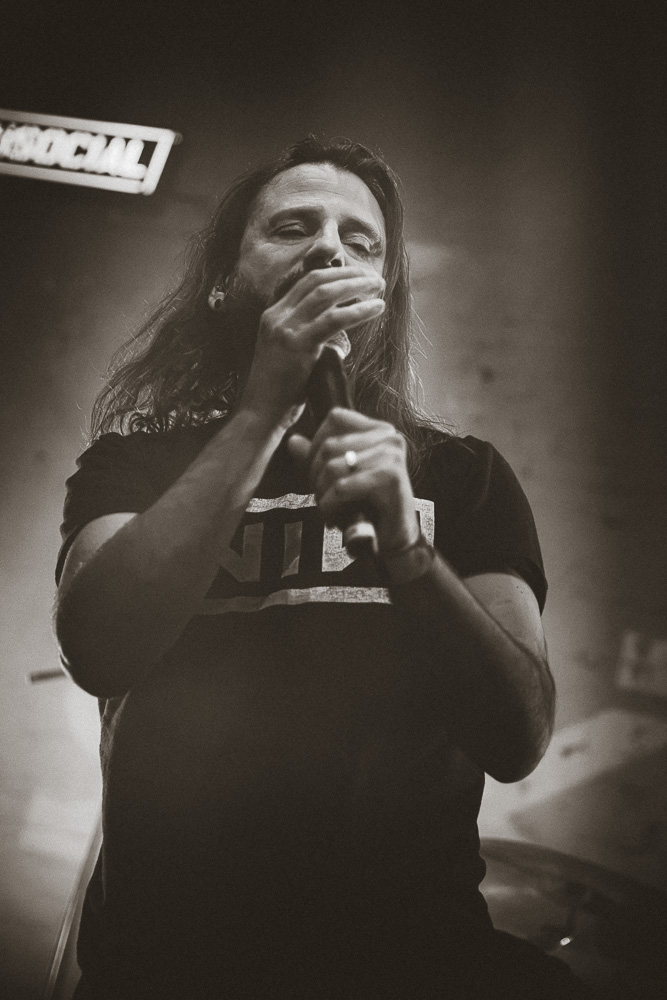
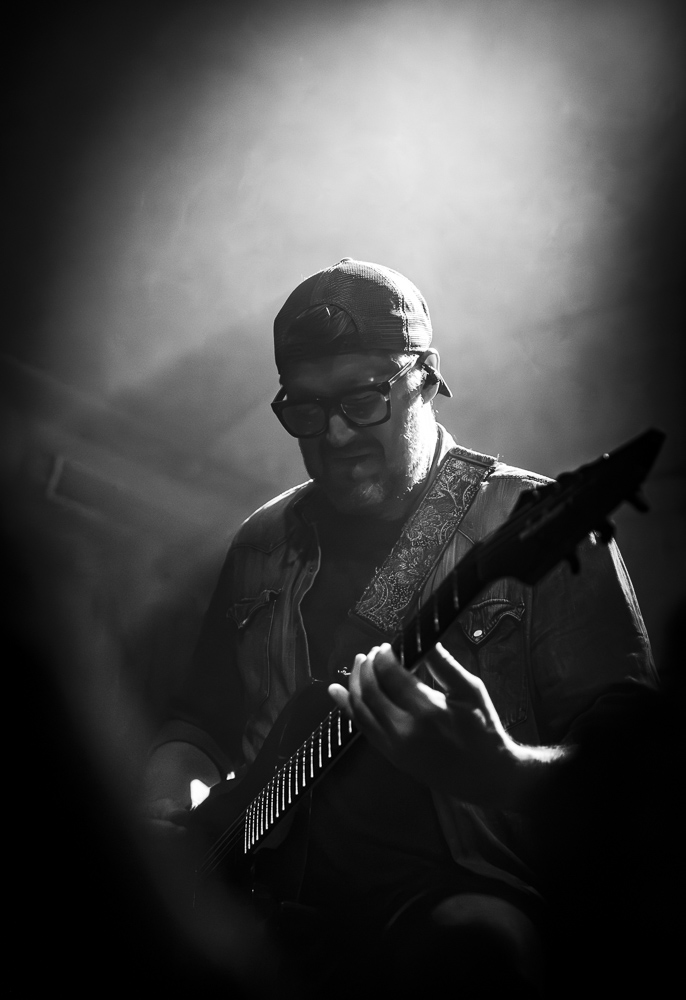
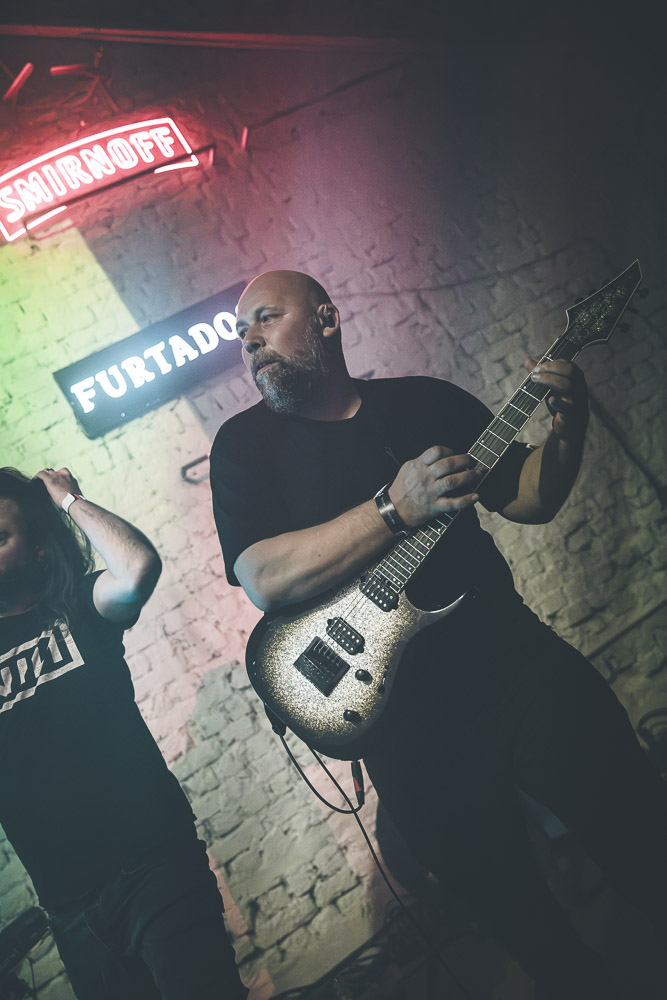
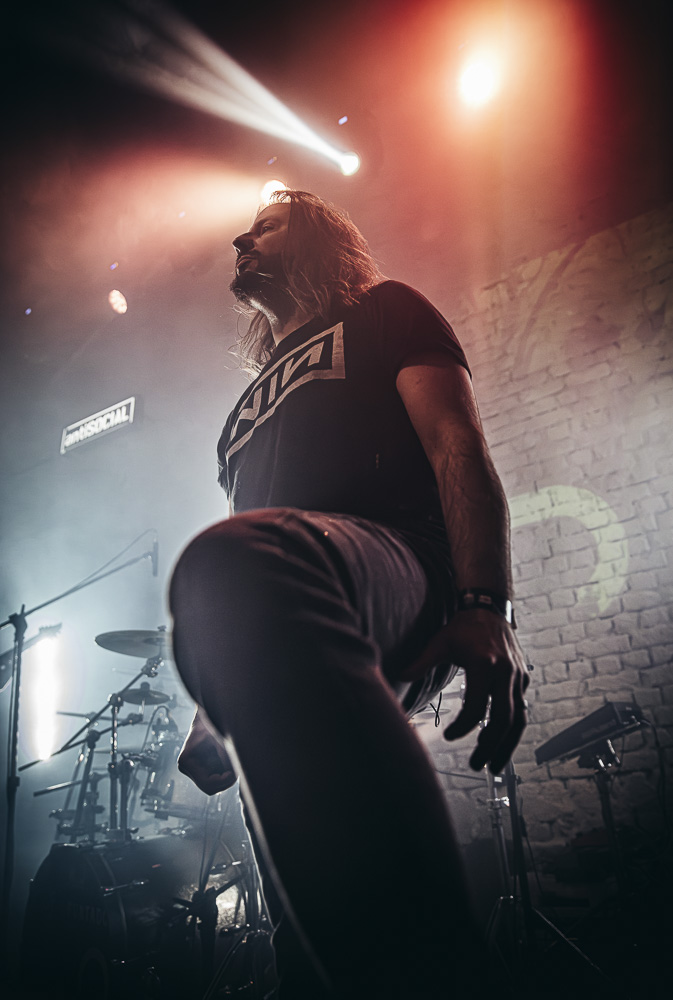
If the two supporting bands had gradually raised the temperature inside antiSOCIAL, SIKTH took things to an entirely different level. The moment the British musicians appeared on stage the atmosphere changed dramatically. Whatever restraint Mumbai had displayed earlier in the evening was suddenly forgotten. The room erupted, and what followed was an exhilarating demonstration of technical precision, musical unpredictability and sheer physical energy.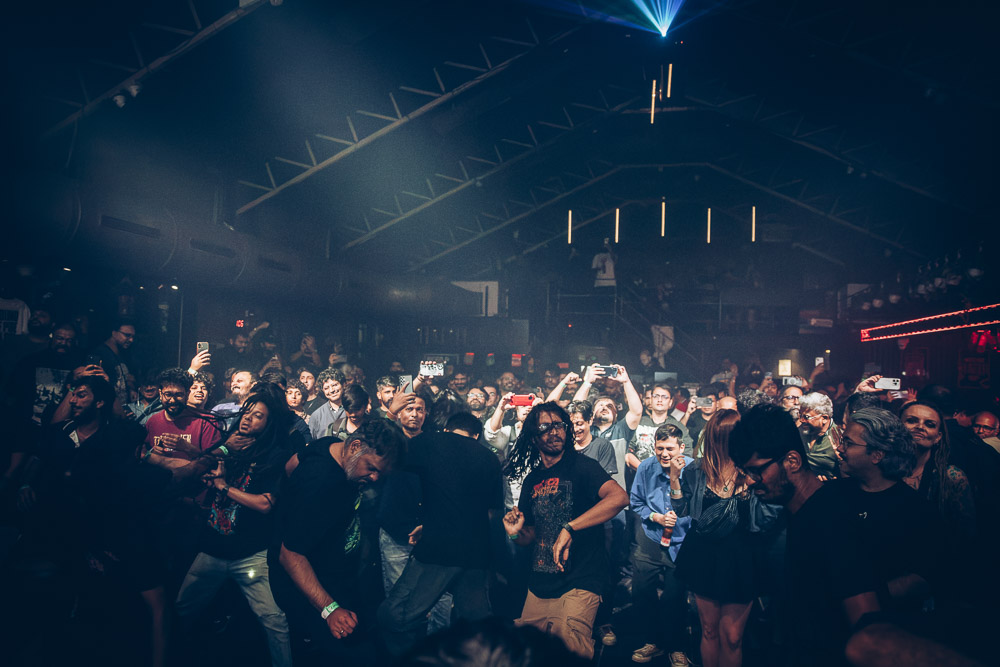
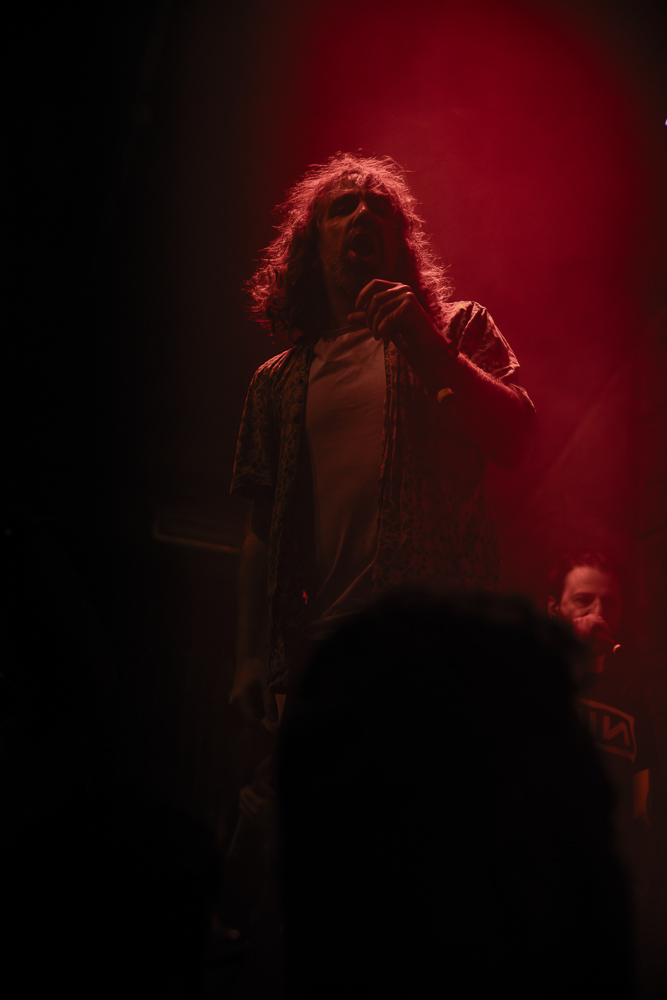
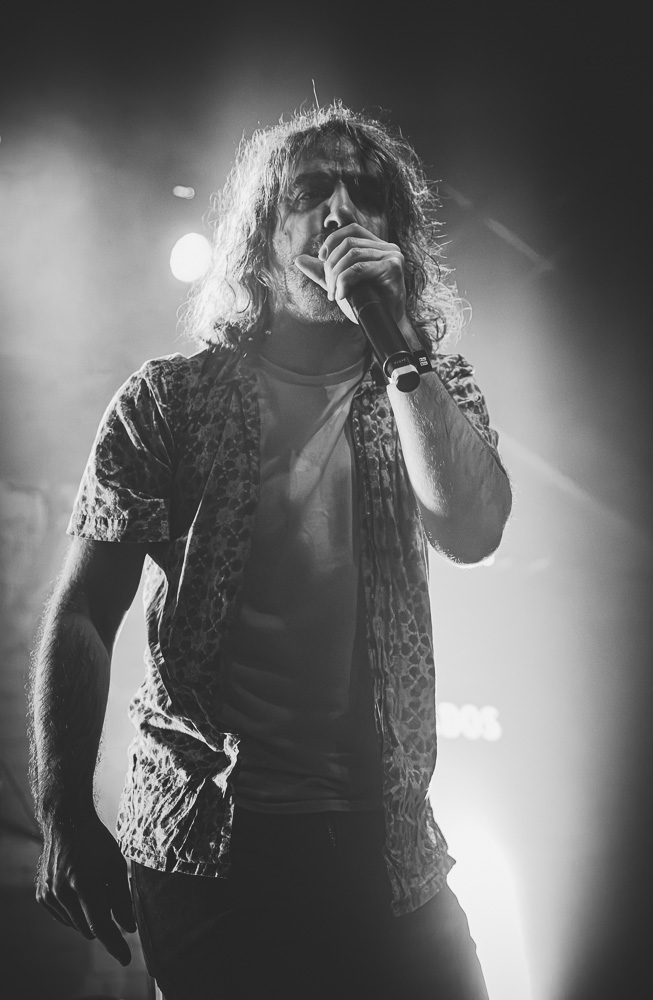
Opening with ‘Riddles of Humanity’, SIKTH immediately established their unmistakable combination of controlled chaos and extraordinary coordination. The guitars twisted through intricate rhythmic patterns, the drums shifted direction without warning, and the contrasting voices of Mikee Goodman and Justin Hill added yet another layer of intensity. At times, their vocal interplay felt almost like a theatrical confrontation, moving between aggression, unusual melodies and spoken passages with remarkable ease.
Classics such as ‘Bland Street Bloom’, ‘Flogging the Horses’ and ‘Sanguine Seas of Bigotry’ demonstrated why ‘Death of a Dead Day’ remains such an influential album. What makes SIKTH particularly fascinating is the contrast between the apparent madness of their compositions and the remarkable precision required to perform them. Their music can sound almost impossibly complicated, yet in a live setting, all those unexpected changes and intricate structures become something intensely physical. And the audience responded accordingly.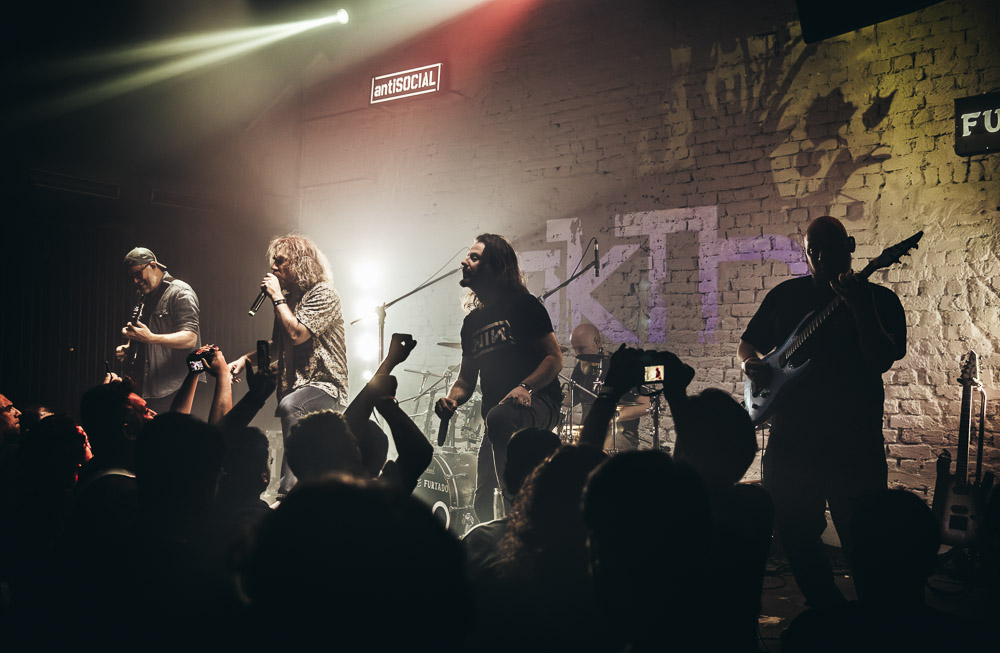
The relatively intimate dimensions of antiSOCIAL only amplified the experience. There was little distance between musicians and fans, and the energy seemed to fill every available corner of the venue. This was not a performance to observe politely from a distance. It was loud, intense and wonderfully chaotic. The setlist offered a generous selection of material from the band’s earlier albums, including ‘Way Beyond the Fond Old River’, ‘Summer Rain’ and ‘Part of the Friction’. Spoken passages such as ‘Mermaid Slur’ and ‘When Will the Forest Speak...?’ provided another glimpse into SIKTH’s unconventional artistic approach, where storytelling, rhythm and theatrical expression become part of the music itself.
Songs such as ‘Another Sinking Ship’ and ‘As the Earth Spins Round’ continued the musical assault, while ‘Pussyfoot’ and ‘Skies of Millennium Night’ appeared towards the end of the planned set. More than two decades after their earliest recordings, SIKTH’s music still sounds remarkably adventurous. Their influence on subsequent generations of Progressive and Technical Metal musicians is undeniable, yet their sound remains distinctly their own.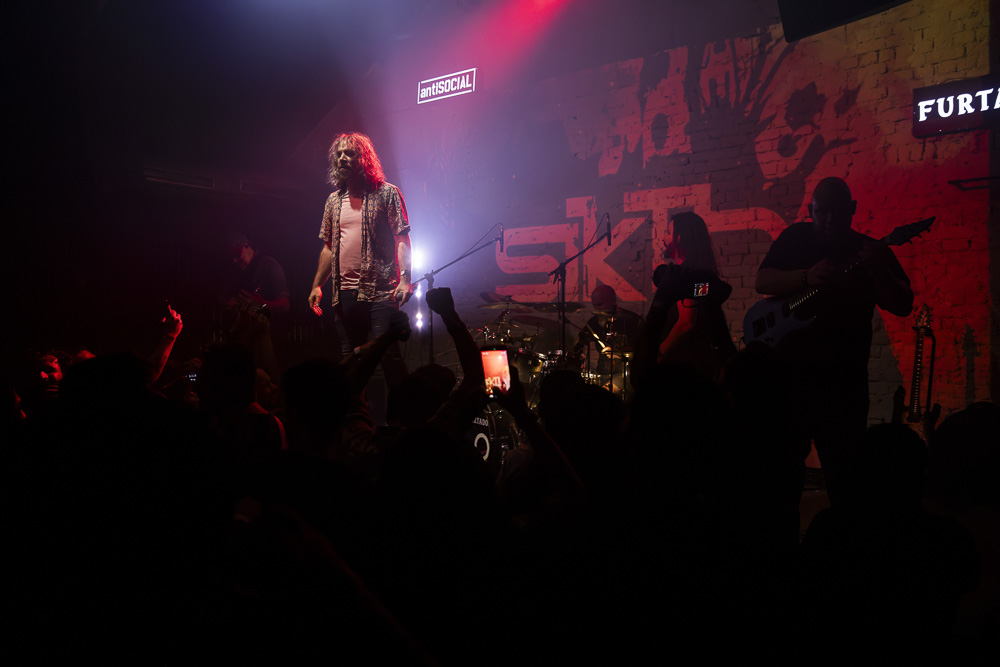
For me, the evening was also a reminder of why I enjoy smaller club concerts so much. There is something special about experiencing musicians of this calibre at such close range, watching the interaction between the band and its audience and feeling the energy develop throughout the performance. Eleven years after their previous visit, SIKTH had finally returned to Mumbai. And they had absolutely torn the place apart.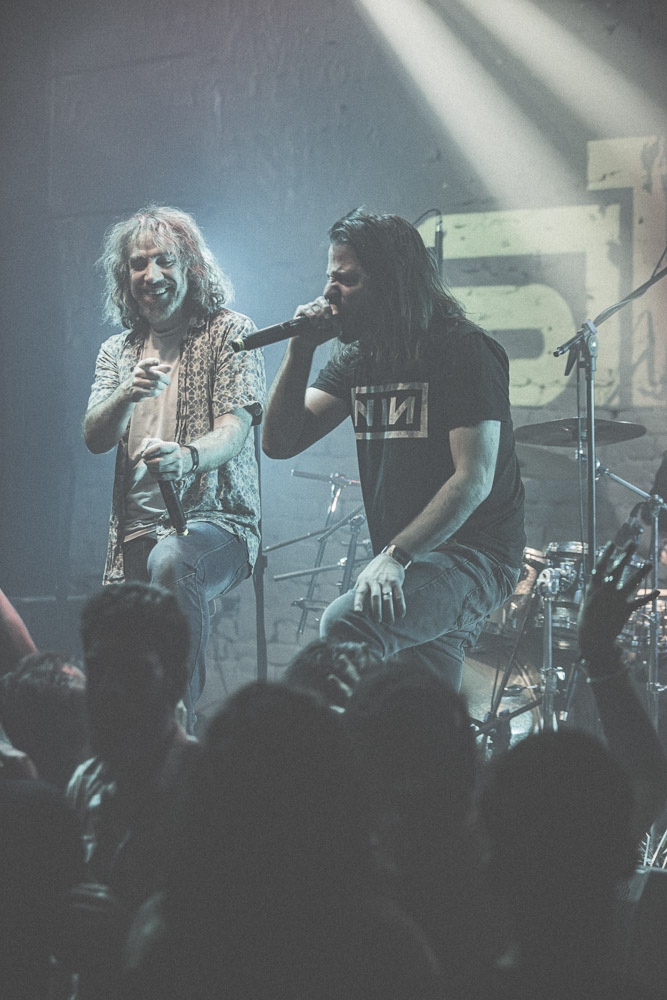
The evening also offered an encouraging glimpse into India’s independent Metal landscape. Discovering ARSENIIC and IF HOPE DIES was a welcome reminder that remarkable musical talent can emerge far beyond the country’s major entertainment centres. Their performances made me even more curious about the musicians and communities developing their own scenes across Northeast India and the neighbouring Himalayan regions.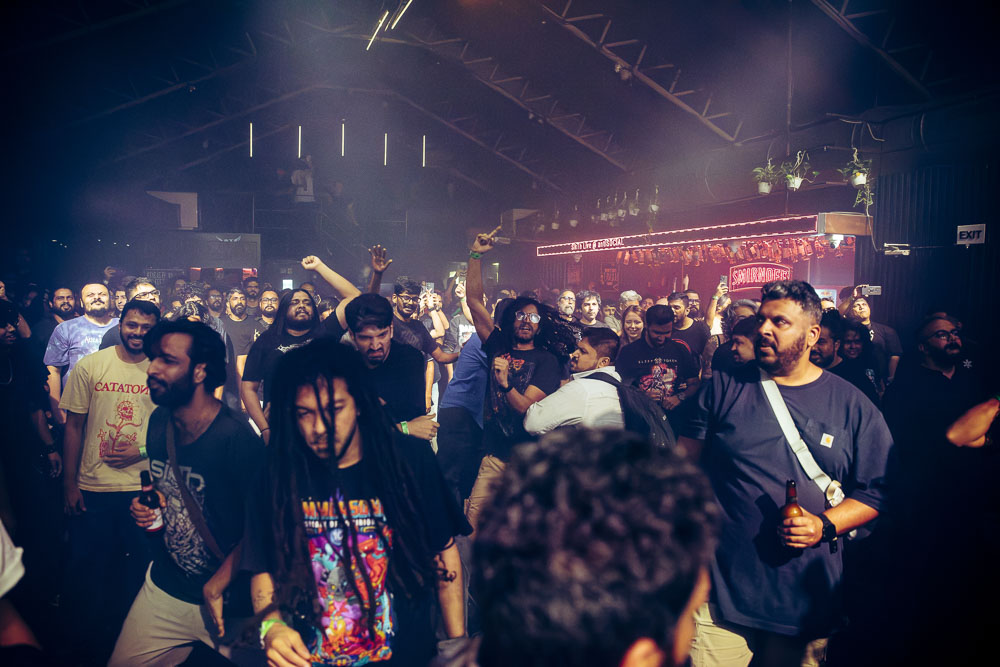
Yes, the concert started late. And yes, Mumbai needed a little encouragement at first. But by the time SIKTH had finished, nobody seemed particularly interested in watching the clock anymore. Eleven years of waiting. Three bands. One gloriously loud night. Welcome back, SIKTH. Just don’t make us wait another eleven years!
Setlist (According to the photographed stage setlist)
01. Riddles of Humanity
02. Bland Street Bloom
03. Flogging the Horses
04. Way Beyond the Fond Old River
05. Summer Rain
06. Sanguine Seas of Bigotry
07. Mermaid Slur (Spoken)
08. When the Moment’s Gone
09. Part of the Friction
10. Where Do We Fall?
11. Another Sinking Ship
12. As the Earth Spins Round
13. When Will the Forest Speak...? (Spoken)
14. Pussyfoot
15. Skies of Millennium Night
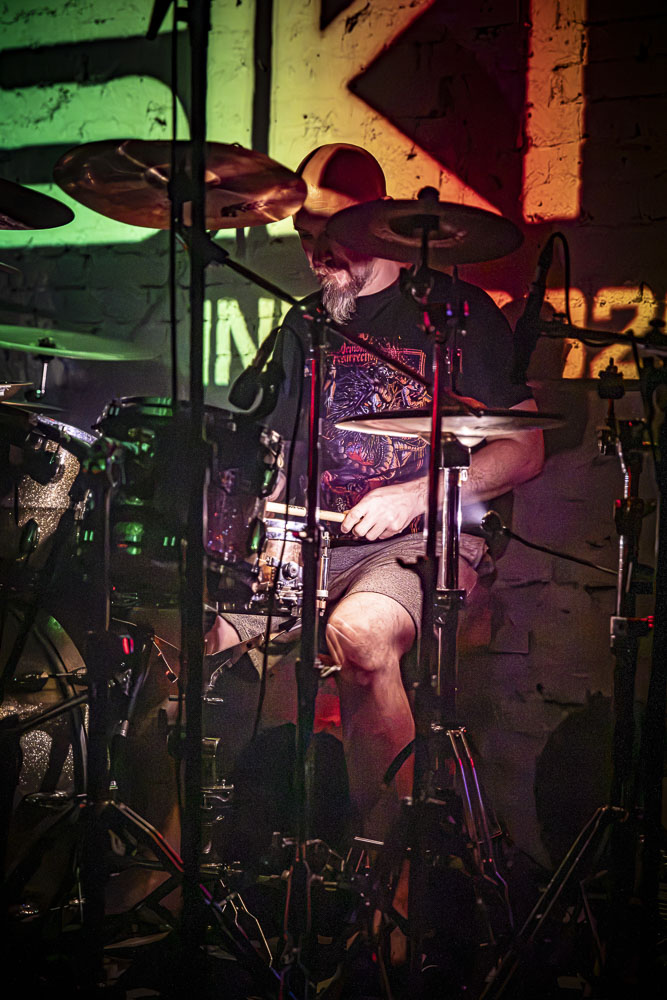












All Pictures by Dagmar Urlbauer