


 The LaLiT Lawns, Mumbai, India
3rd October 2026
Opeth - “The Last Will and Testament” Tour 2026 - Support: Dirge
Sometimes the fact that a concert happens at all becomes part of its story. OPETH’s long-awaited return to India - and their first-ever performance in Mumbai - certainly qualifies.
Presented by Bighorn and produced by SkillBox, the Mumbai date went through an unusual series of last-minute venue changes. Initially announced for the Ballard Pier Downtown Experience Centre, it was subsequently moved to NESCO Center, Hall 5, before The LaLiT Lawns near Mumbai airport eventually became its final home.
For everyone planning to attend, the days before the concert therefore involved a certain amount of flexibility - and probably more checking of phones and updates than usually necessary before simply going to see a band. But eventually Saturday arrived. There was a stage, there was a sizeable Mumbai Metal audience in front of it, and there were two bands ready to make the preceding logistical adventures largely irrelevant. And sometimes that really is all that matters.

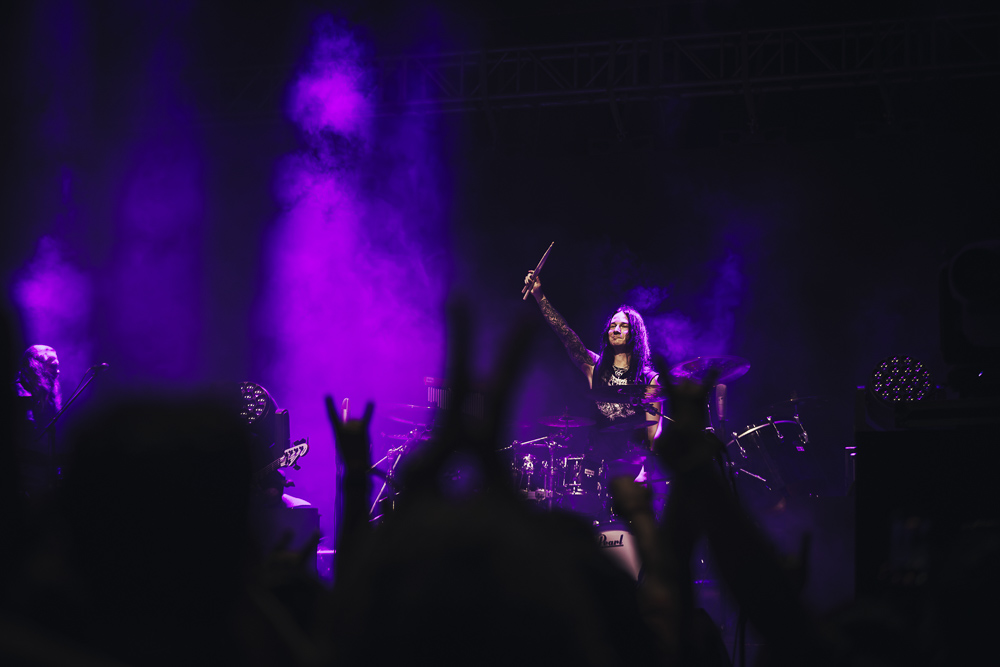
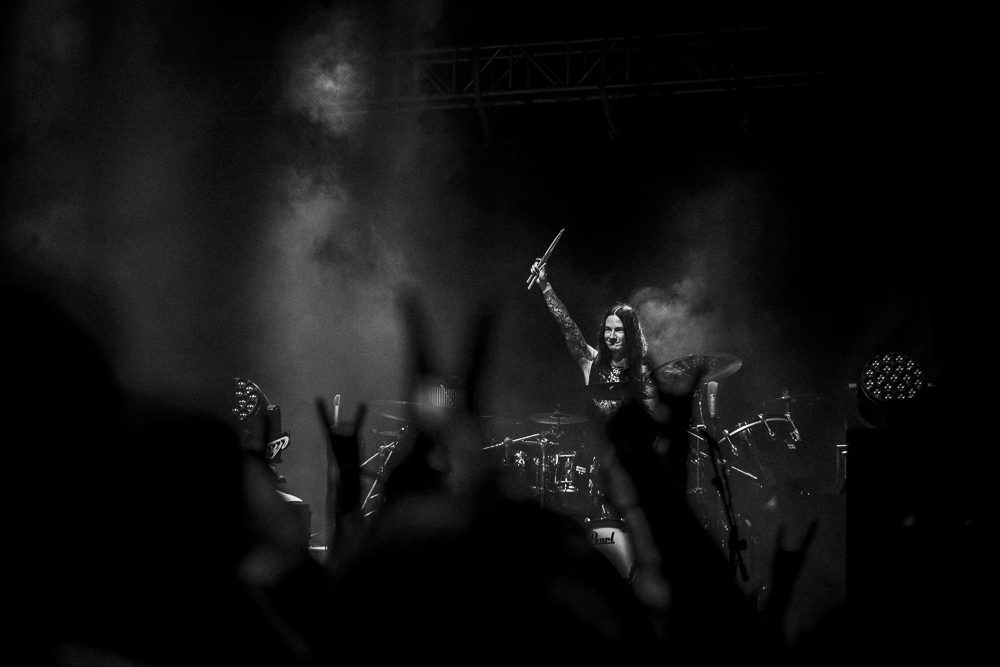
Dirge
Formed in 2014, Mumbai-based DIRGE are an established name within India’s heavier underground rather than simply a local addition to an international bill. Their debut album ‘Ah Puch’ arrived in 2018, followed by the self-titled second record in 2023. Both were mixed by Sanford Parker and mastered by Brad Boatright - fitting credentials for a band operating somewhere between Doom, Sludge and Post-Metal.

Music & Performance
The evening started around fifteen minutes behind schedule, leaving DIRGE with a comparatively short set. Considering that their music relies on lengthy compositions and gradual development rather than quick impact, this was hardly the most fortunate situation.
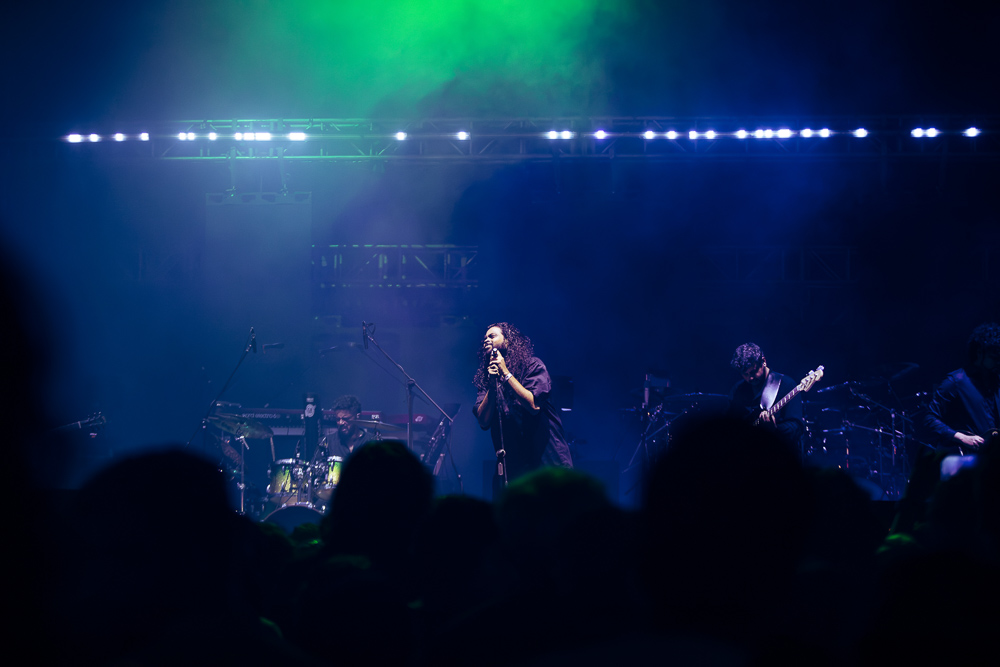
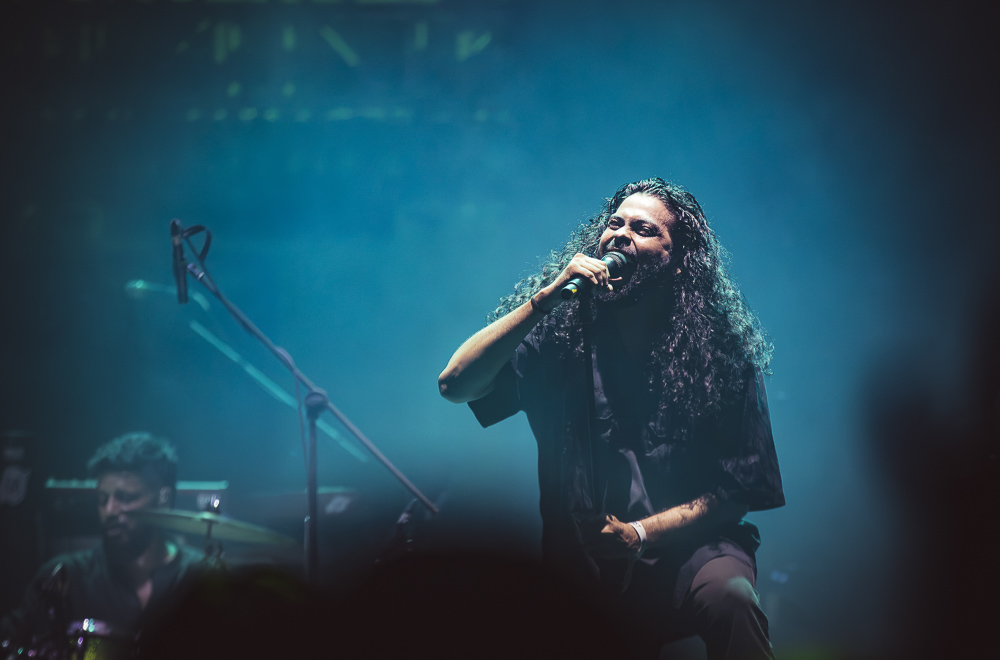
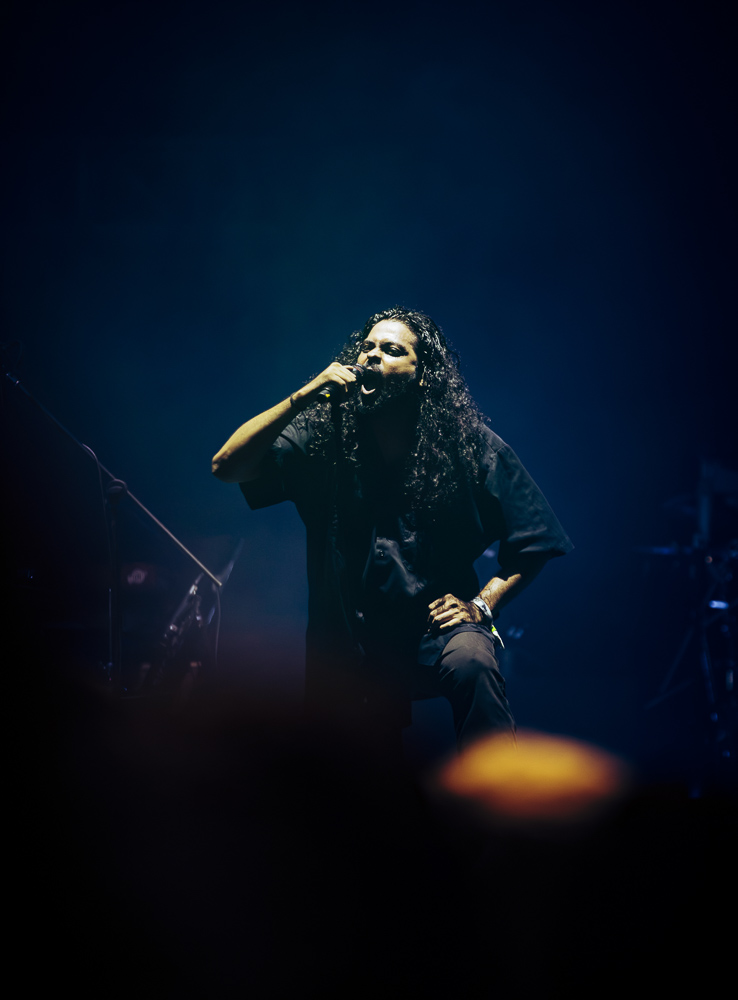
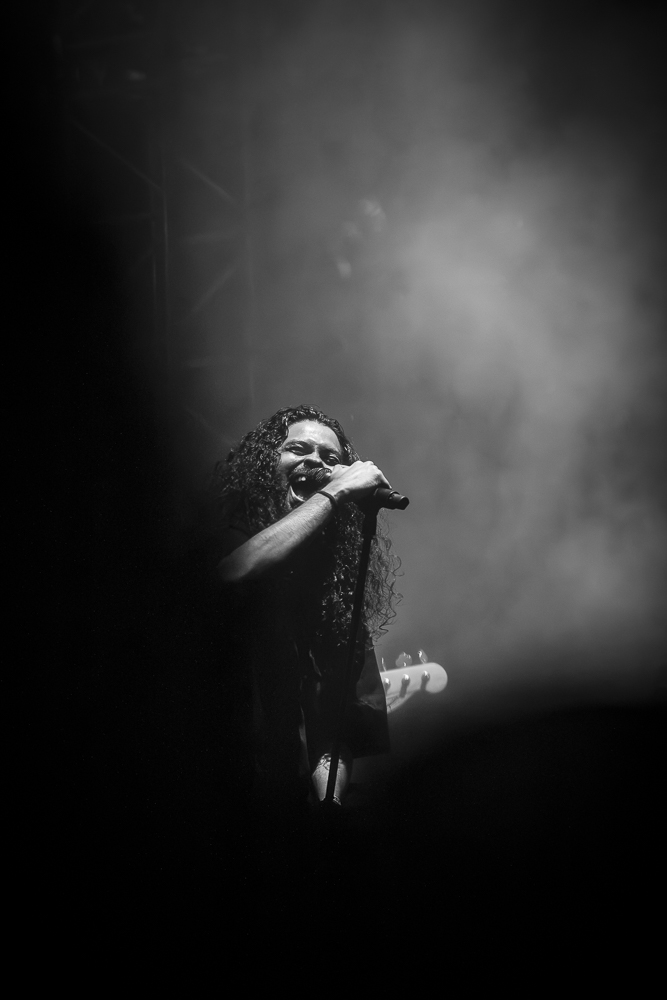
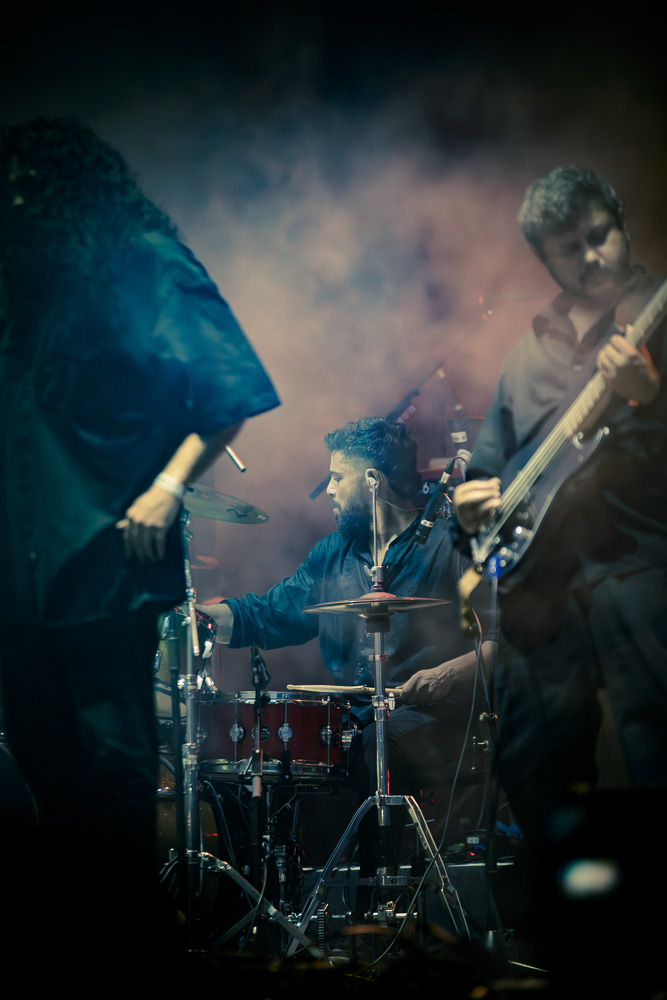
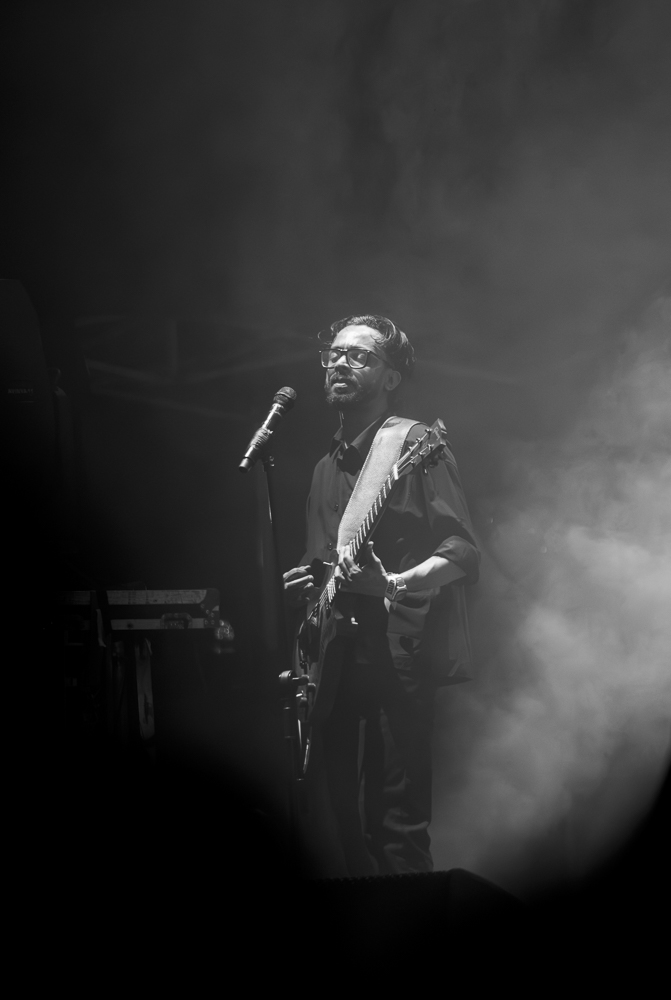
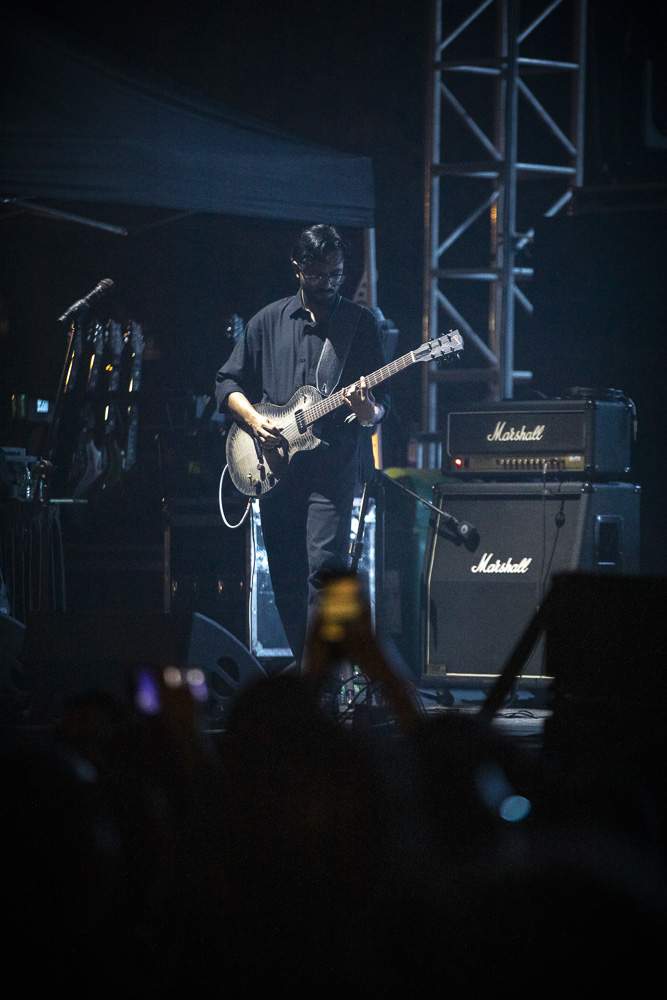
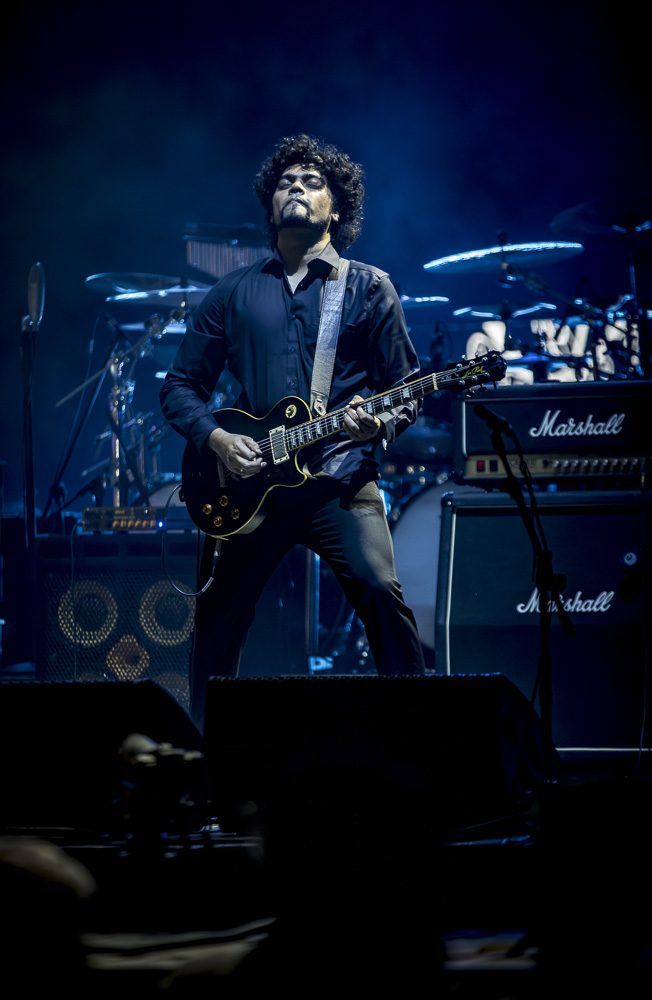
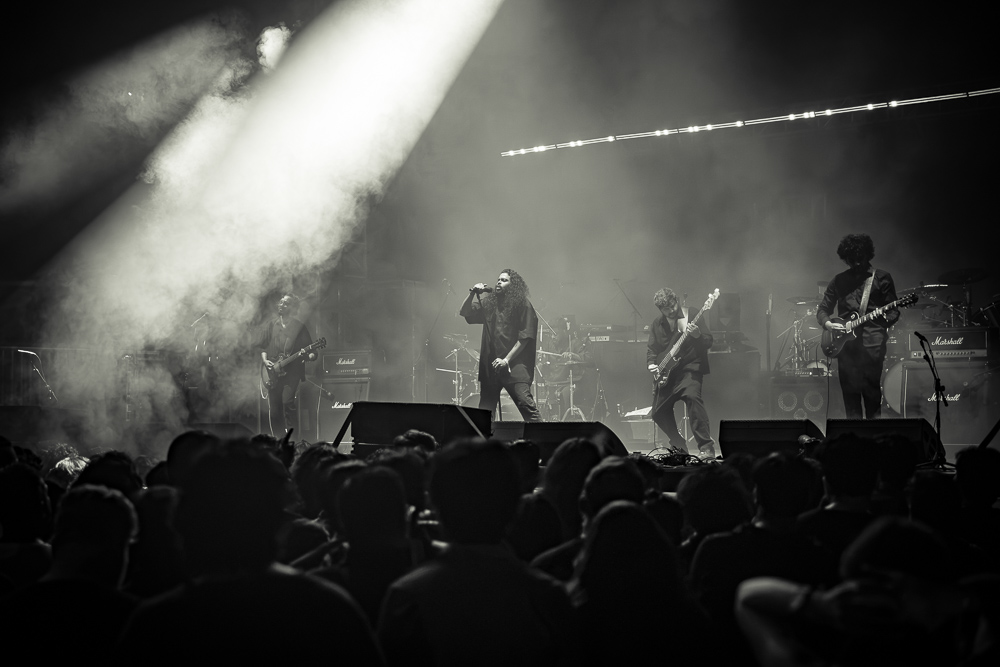
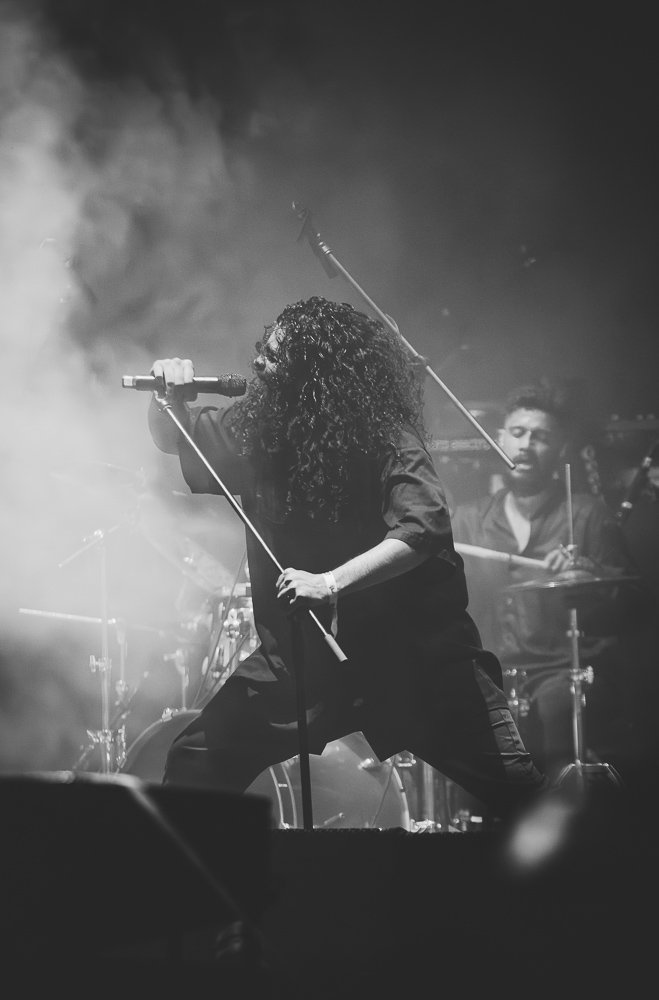
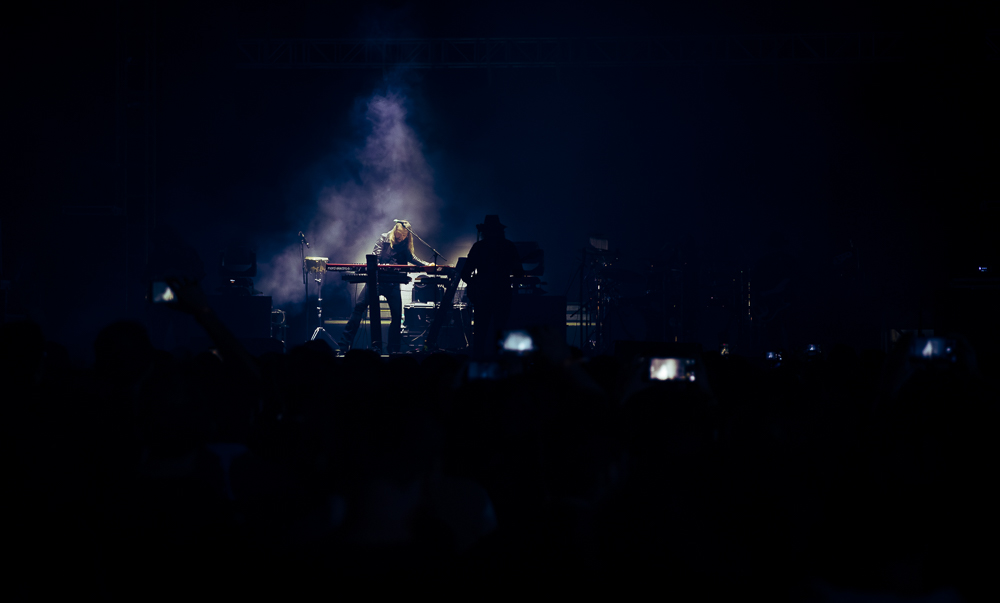
They handled it well. DIRGE do not need much movement or constant communication with an audience to create intensity. Their music does that job for them. Slow, heavy and frequently oppressive, massive guitar layers meet deep bass and Tabish Khidir’s raw vocals, building rather than immediately releasing tension.
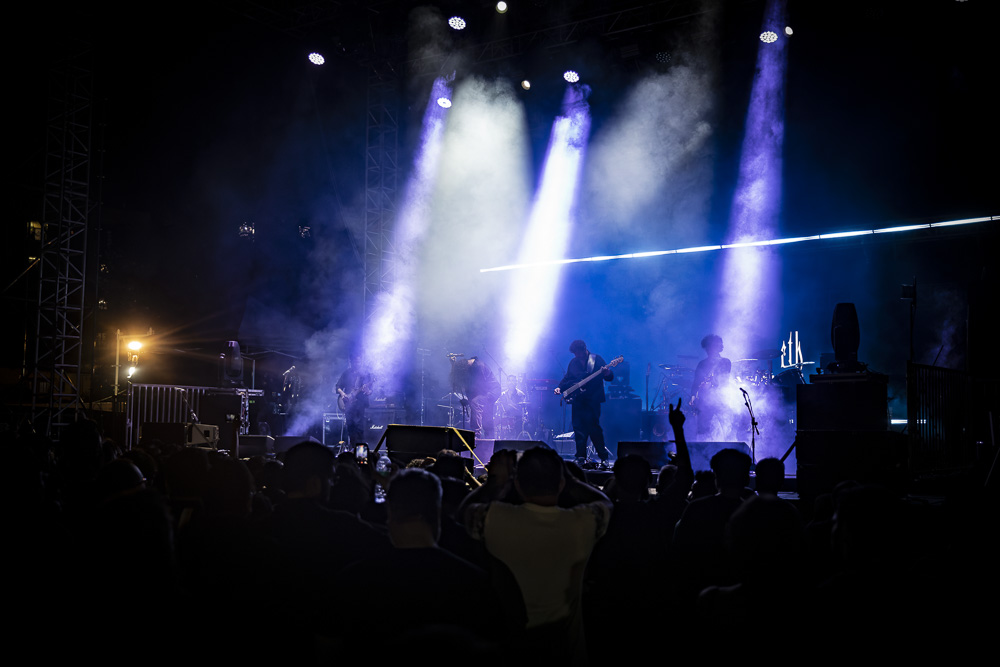
Unfortunately, the sound did not always work in their favour. Particularly during the beginning of the set, the mix felt muddy and occasionally overloaded, swallowing some of the detail between the individual instruments. With music this dense to begin with, losing further separation naturally makes a difference.
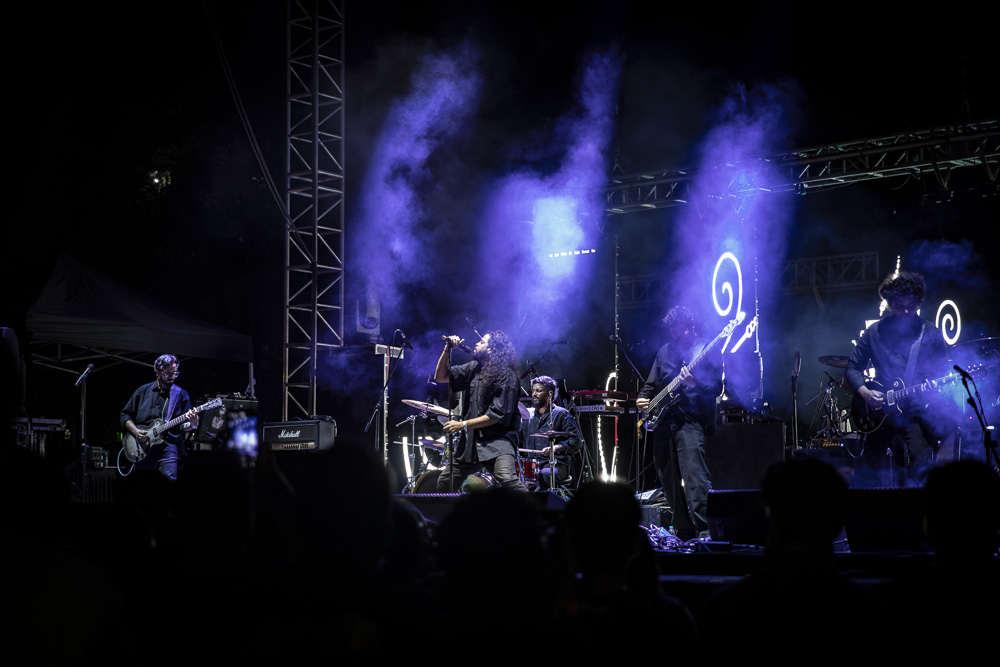
Still, DIRGE managed to make an impression within their limited stage time. They did not feel like a band simply keeping the audience occupied until the international headliner appeared. There was enough confidence, weight and identity in their performance to stand on their own. More importantly, their very different approach to heaviness made them an interesting choice before OPETH.




Opeth
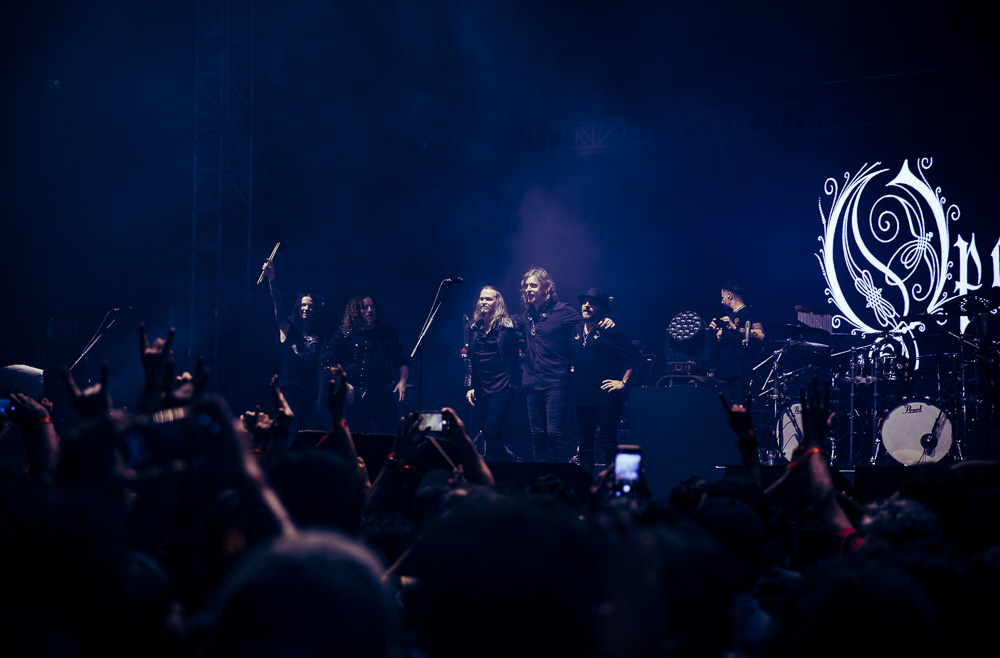
Formed in Stockholm in 1990, OPETH have spent more than three decades moving between Progressive Death Metal, Progressive Rock and almost everything in between without ever appearing particularly interested in remaining comfortably within one category. Their fourteenth studio album, ‘The Last Will and Testament’, released in 2024, represents yet another turn in that evolution and brought Mikael Åkerfeldt’s death growls back to an OPETH studio album for the first time since ‘Watershed’ in 2008. India, of course, is not new territory for the Swedes. Previous visits took them to Chennai, Bengaluru and Pune. Mumbai, however, was. After more than three decades of OPETH, the city was finally getting its first show.
Music & Performance
While the evening itself had started slightly behind schedule, OPETH appeared remarkably close to their intended time. And after several days during which the location of this concert had seemingly become a moving target, there was something almost satisfying about the simplicity of that moment: the lights went down, the crowd reacted and OPETH were standing on a stage in Mumbai. Finally.
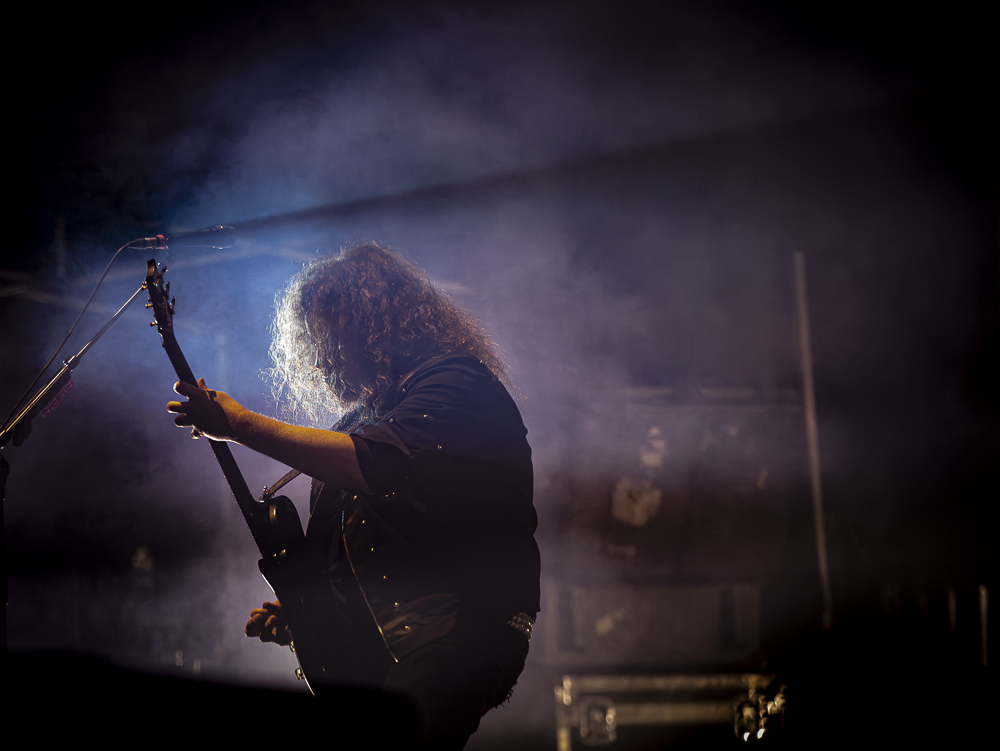
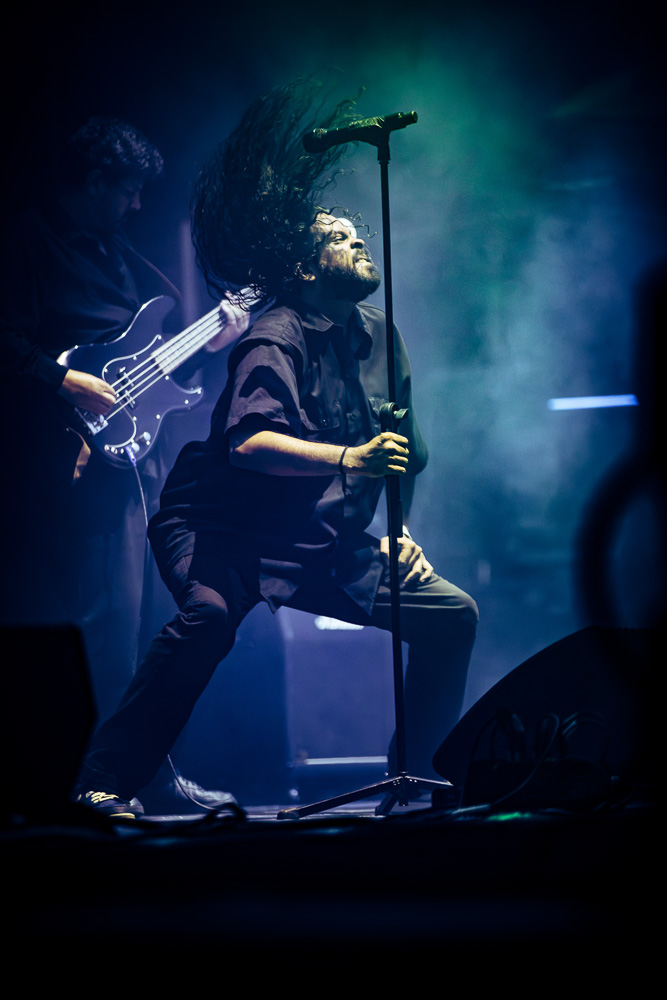
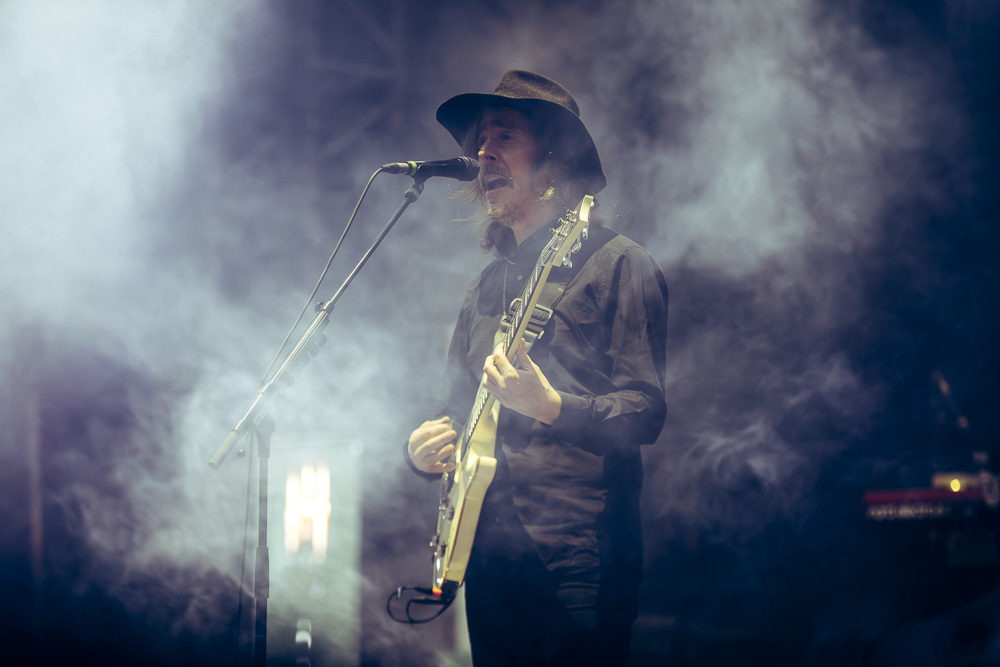
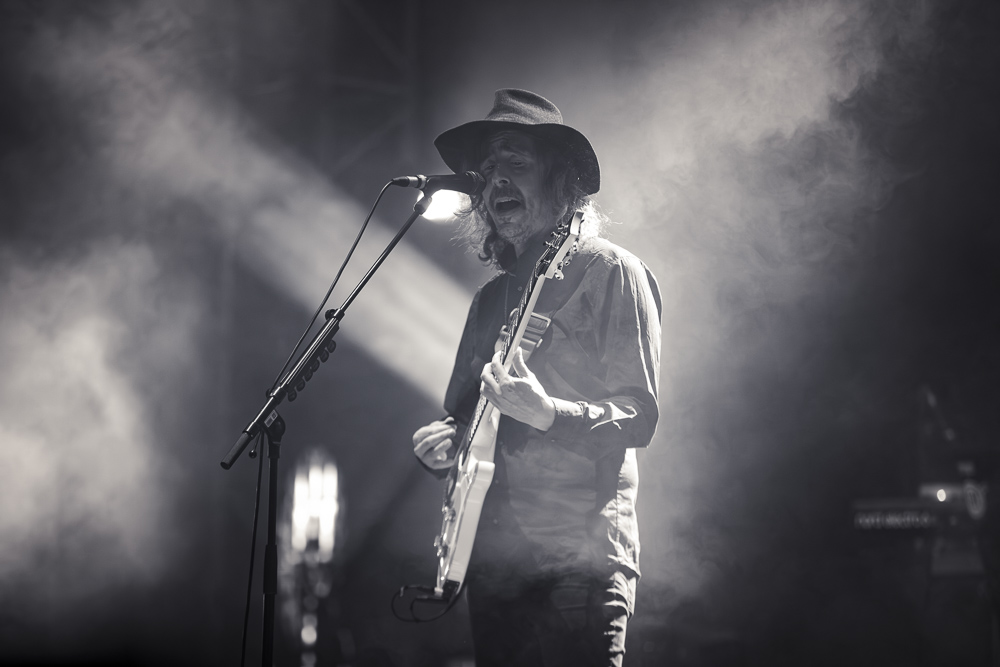
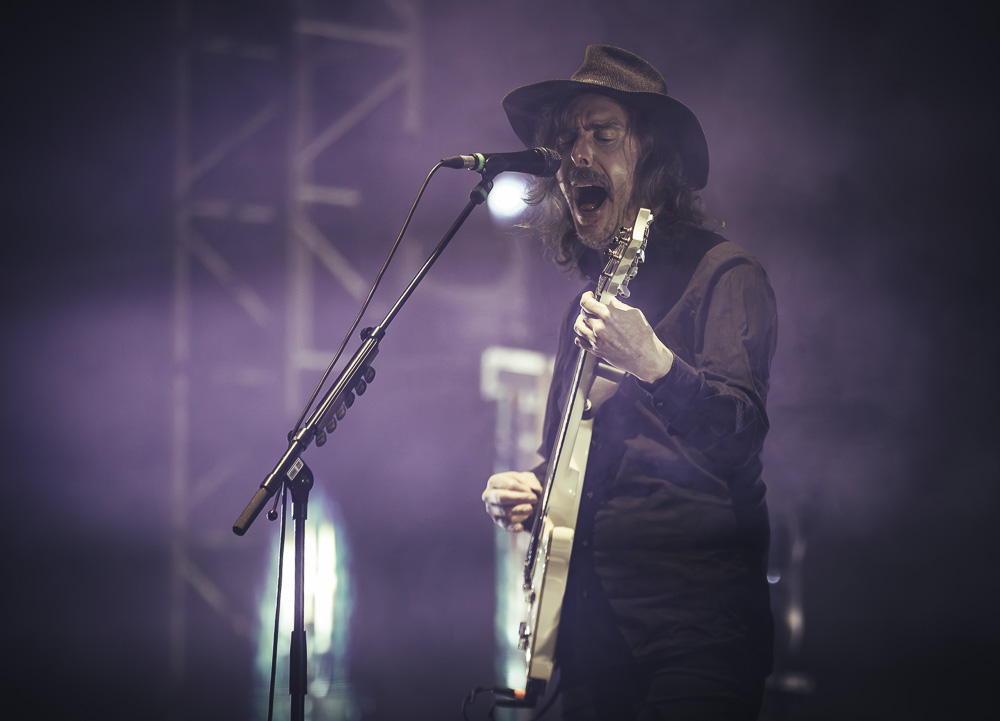
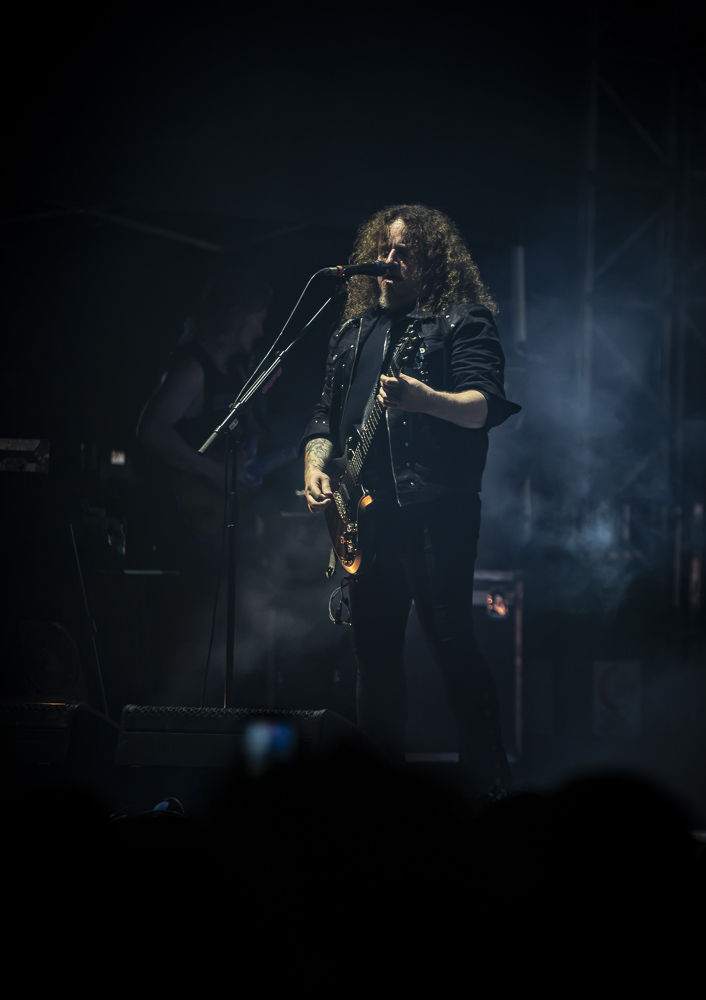
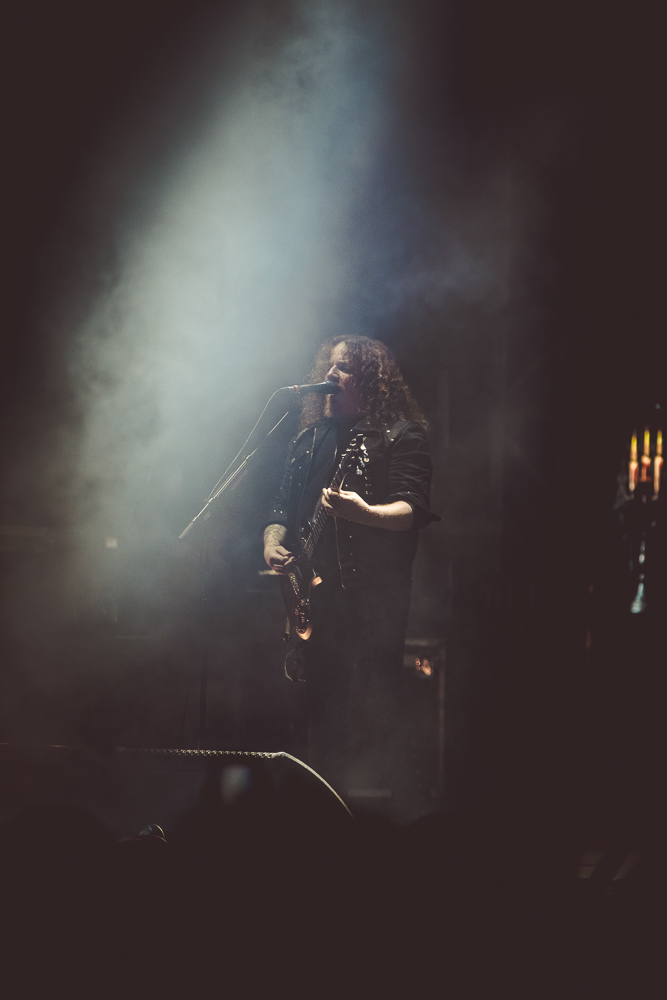
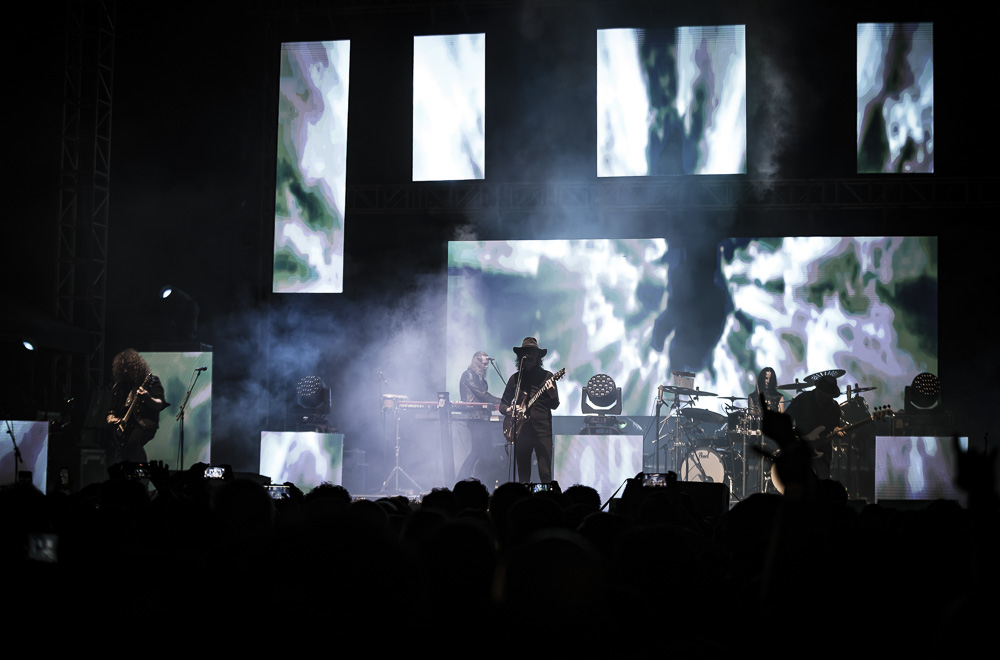
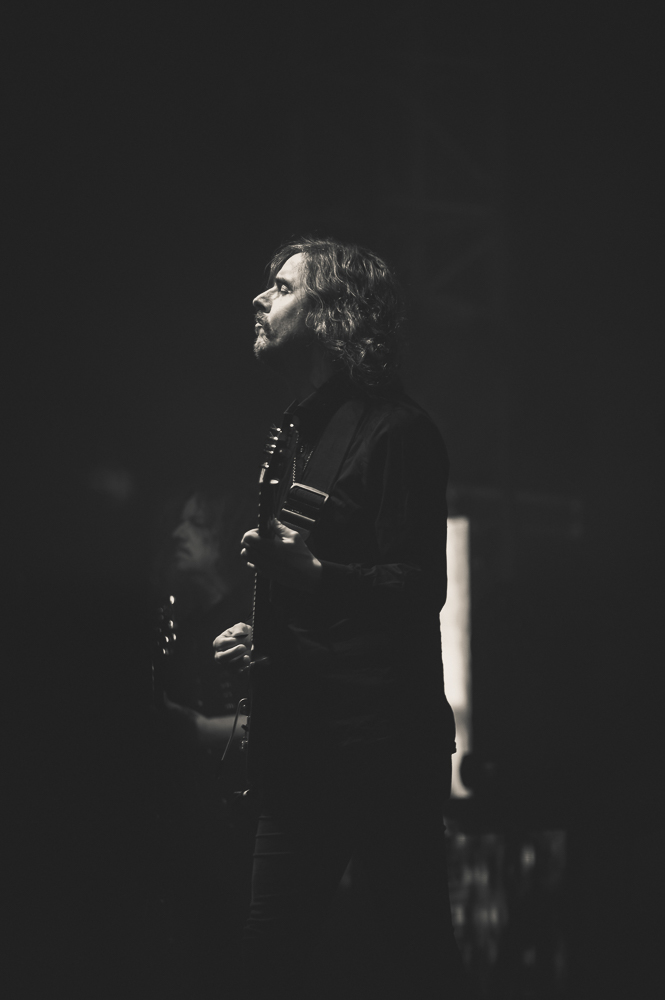
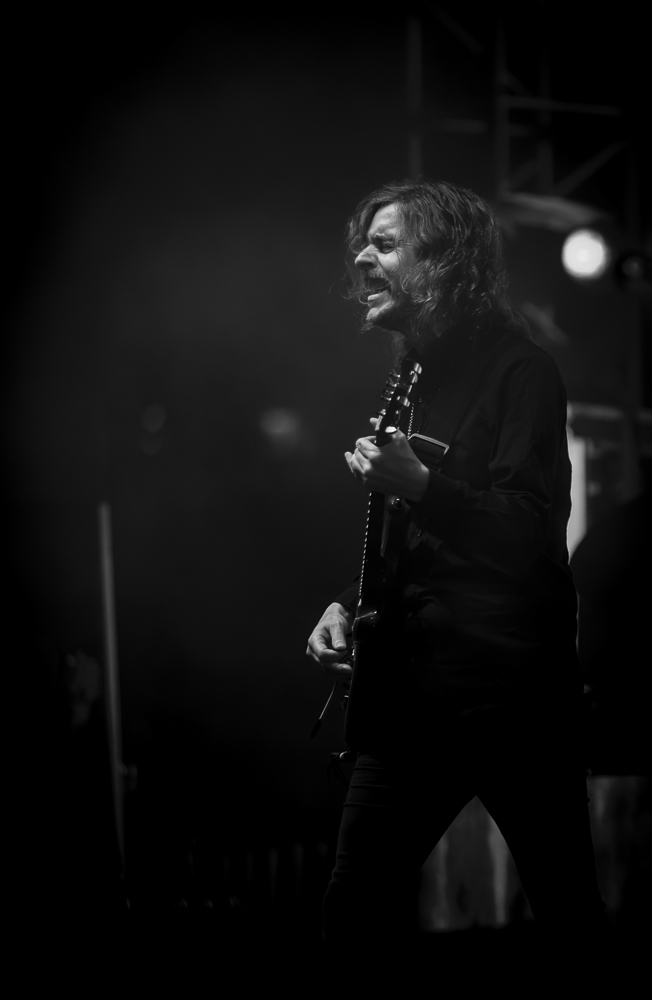
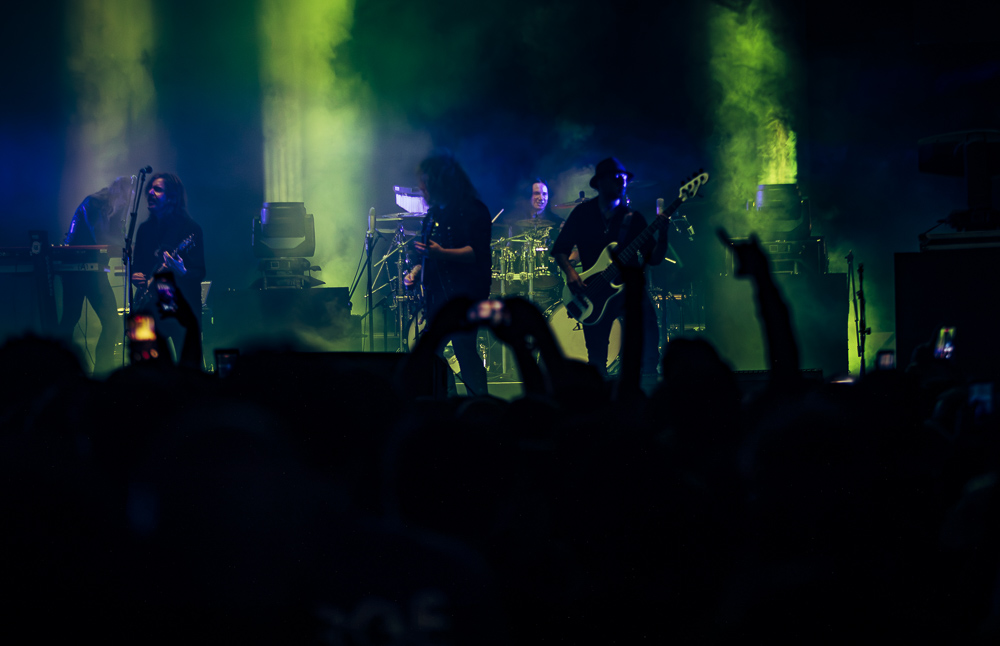
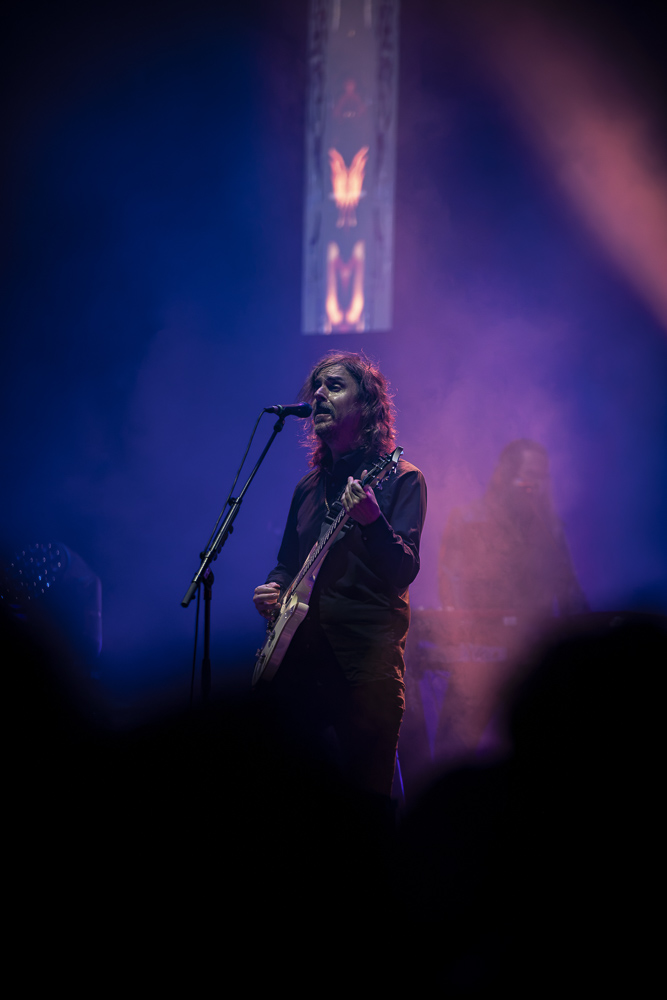
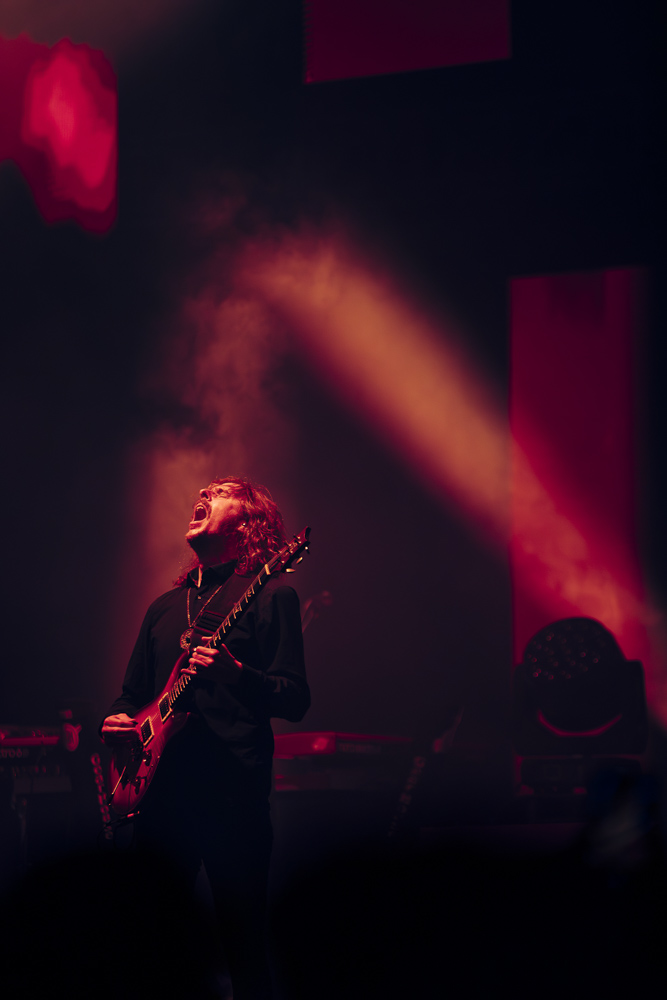
Opening with ‘§1’ from ‘The Last Will and Testament’, the band immediately demonstrated what makes their live performances so compelling. There is enormous precision involved, but watching OPETH never feels like watching five musicians merely demonstrate how technically accomplished they are. Instead, the fascination lies in the contrasts. A passage can be almost fragile before suddenly turning brutally heavy. Åkerfeldt’s warm clean voice gives way to a growl seemingly without effort. Long, complex arrangements change direction repeatedly and yet somehow never lose their internal logic.
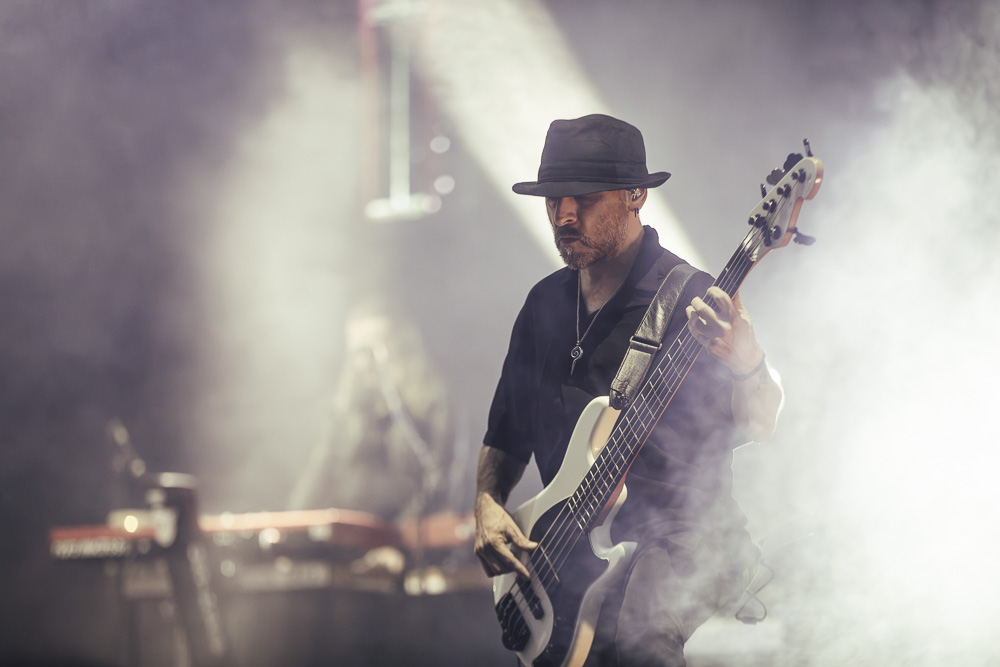
The set moved naturally between very different stages of the band’s career. ‘Windowpane’ provided one of its quieter and beautifully restrained moments, while ‘Godhead’s Lament’, ‘The Grand Conjuration’ and ‘Demon of the Fall’ reached much further back into OPETH’s heavier history. Songs from ‘The Last Will and Testament’ sat comfortably beside them rather than feeling like the obligatory new material everyone has to get through before the classics return.
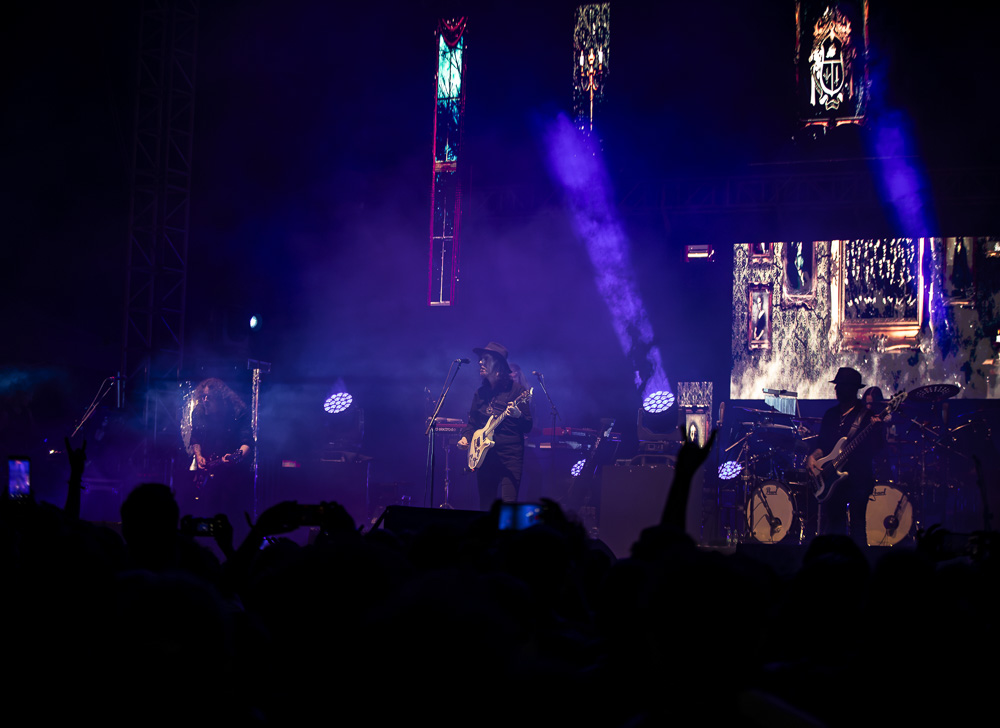
Sound-wise, OPETH were also considerably better served than DIRGE had been earlier in the evening. There was still a certain amount of density in the mix at times - hardly surprising with music containing this many layers - but overall, the individual instruments had enough space for the arrangements to work. Whatever roughness had characterised parts of the opening set was far less of an issue here.
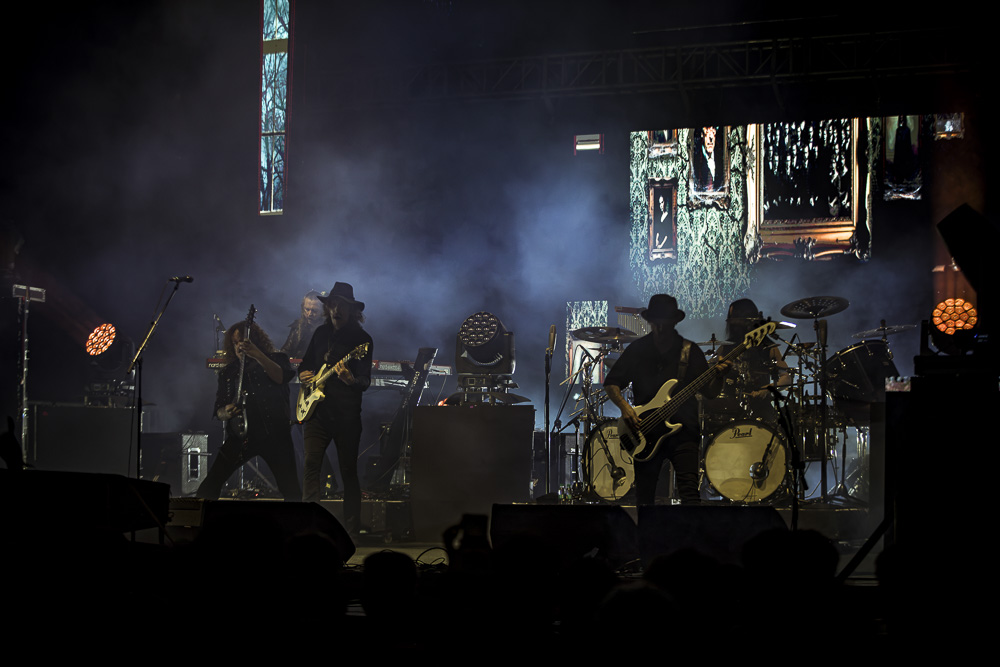
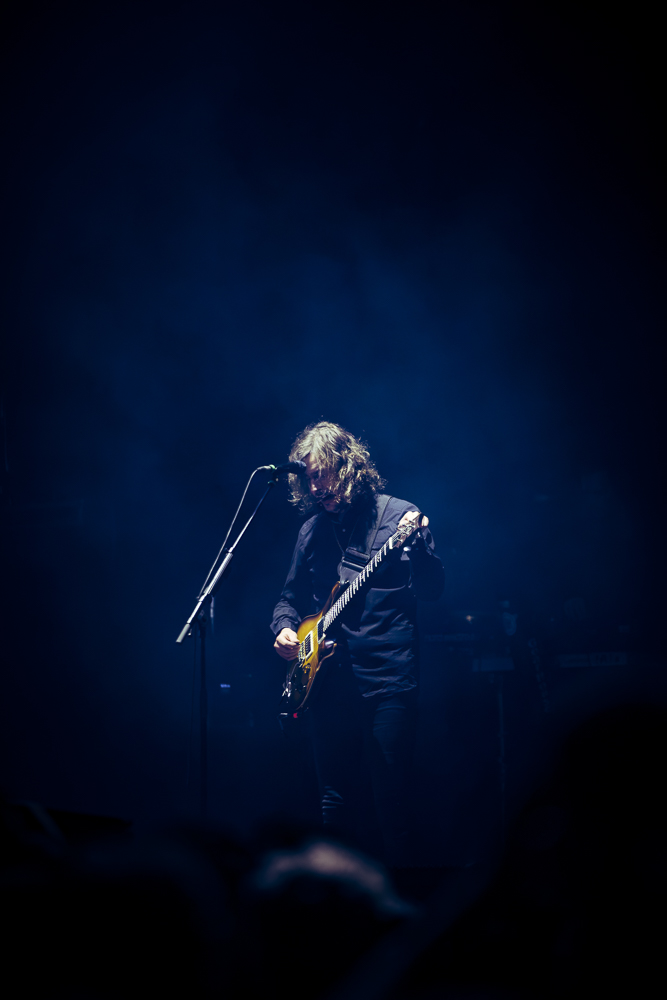
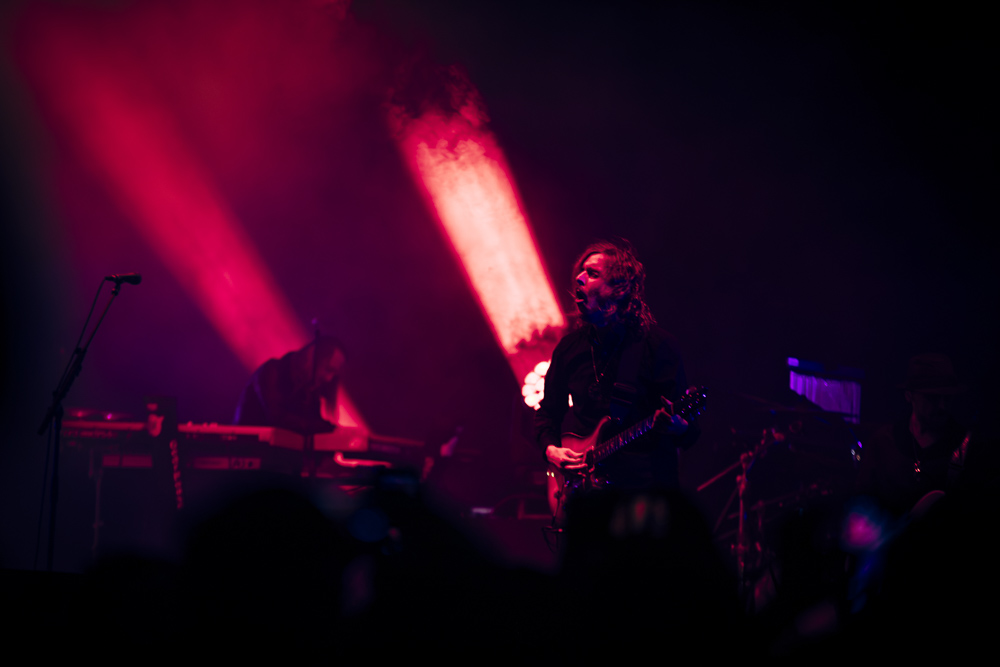
And once that balance was established, there was very little standing between the audience and the band. And then there is Mikael Åkerfeldt. As impressive as he remains musically, an OPETH concert would arguably lose something essential without everything happening between the songs. His famously dry humour was present in abundance. Åkerfeldt reflected on the band’s previous visits to India and some of the rather eclectic festival surroundings they had encountered here, all delivered with that wonderfully straight face that occasionally leaves half a second between the punchline and the audience realising there actually was one.
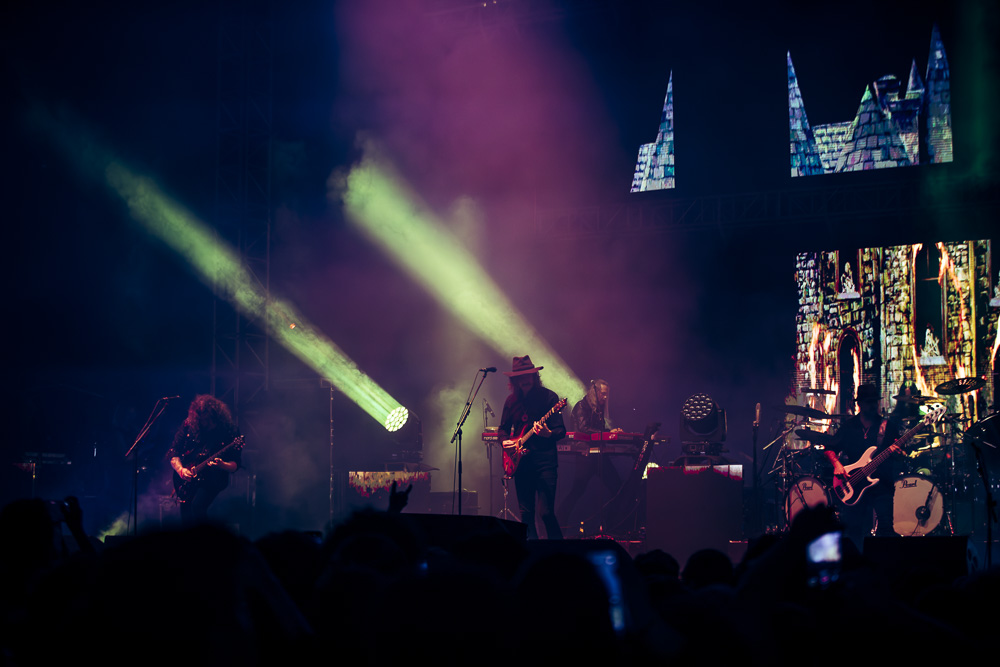
India itself naturally provided further material. Food, travelling and the potentially adventurous consequences for one’s digestive system all received attention. It could easily become silly. Somehow, with Åkerfeldt, it simply becomes part of the show. These conversations also created a surprisingly relaxed atmosphere around a band capable of producing music of enormous complexity and weight. One-minute thousands of people were concentrating on an intricate instrumental passage; the next they were laughing at Åkerfeldt talking about something completely mundane. That contrast works remarkably well.
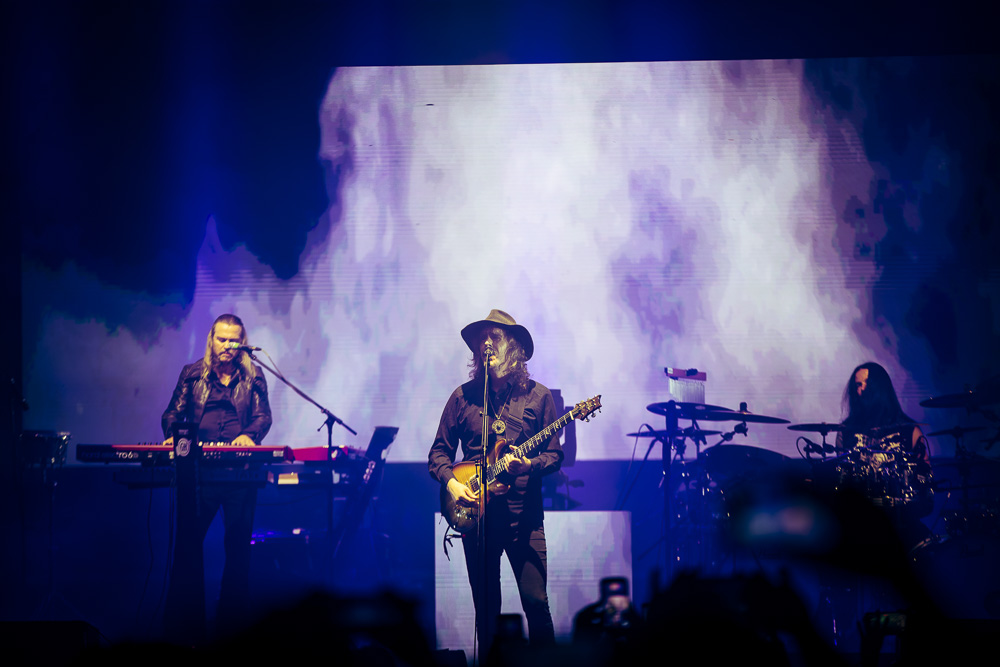
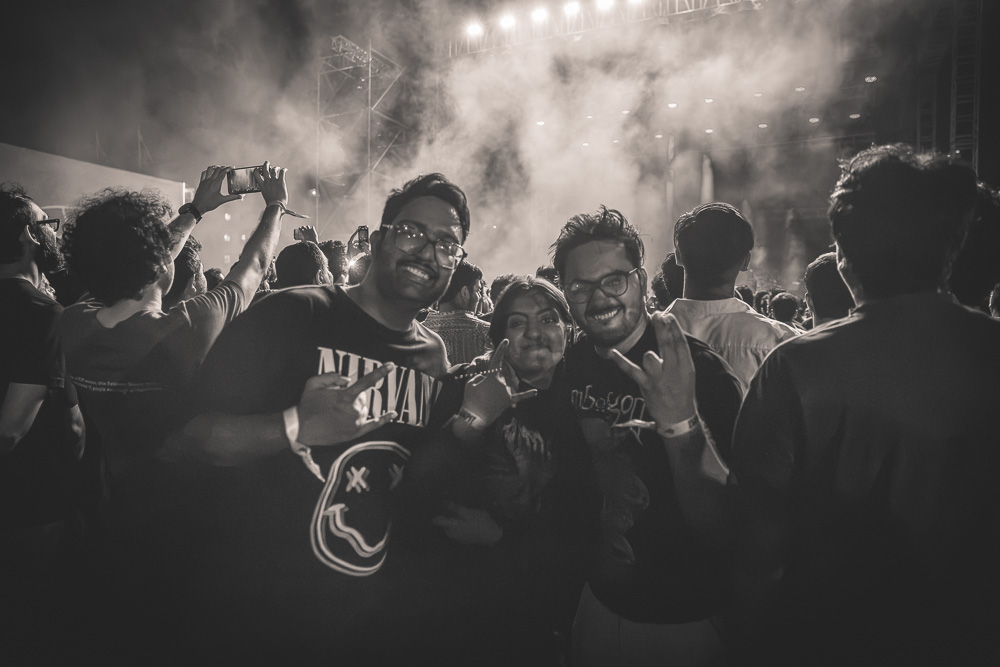
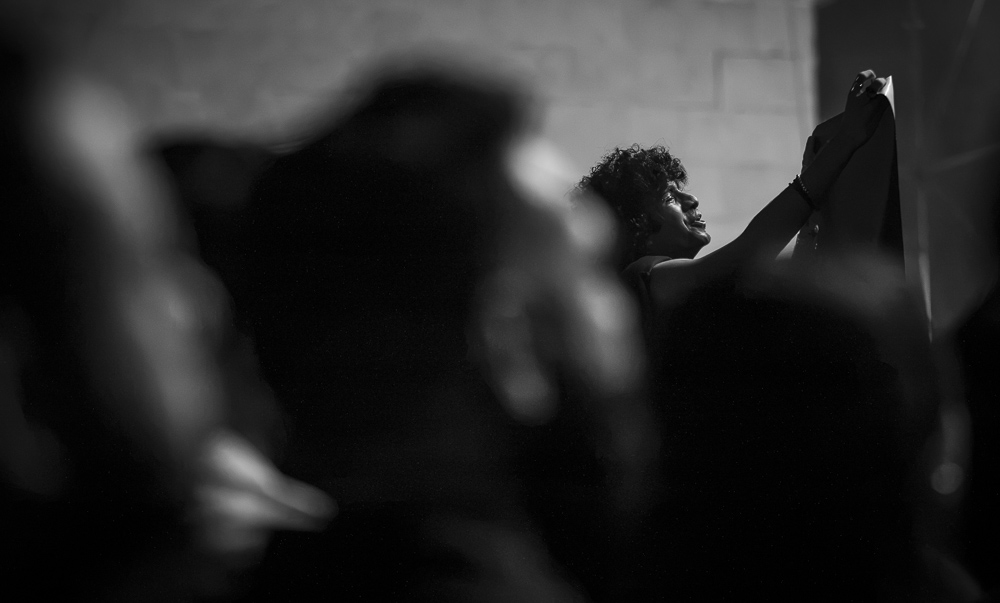
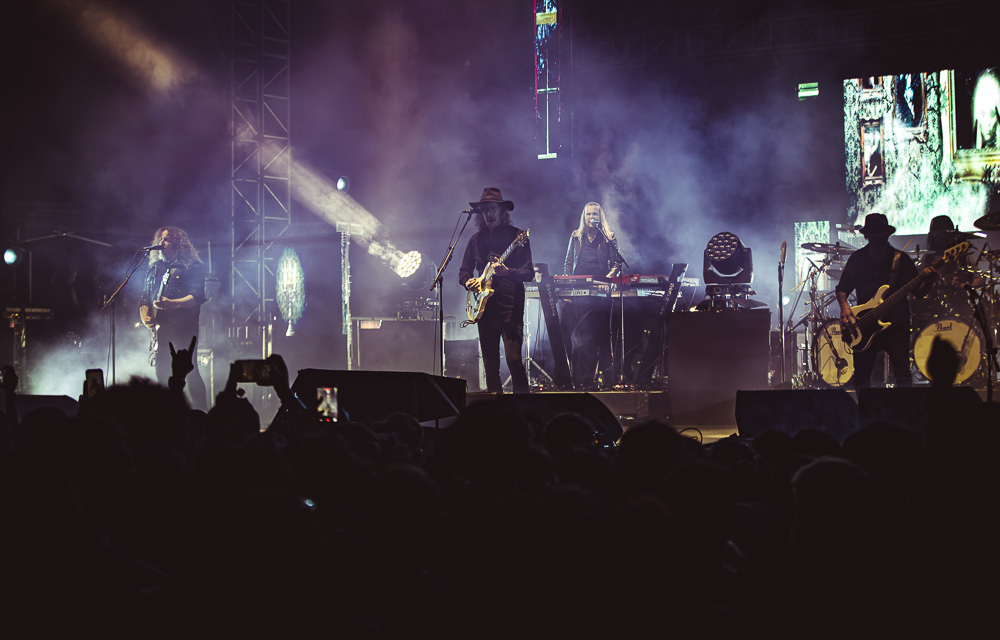
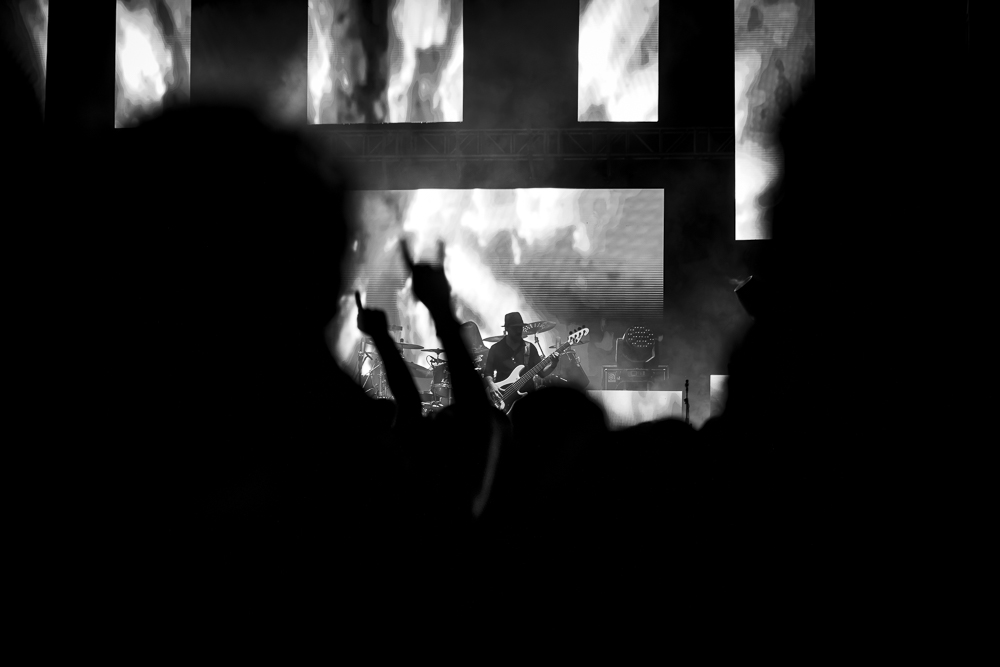
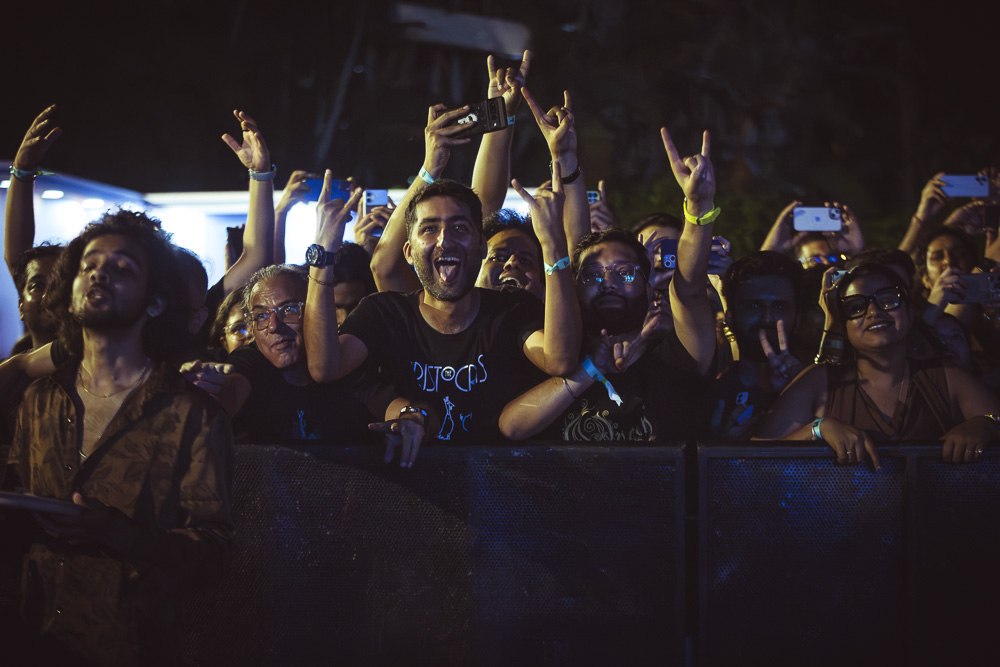
The Mumbai audience did its part too. There was enthusiasm without the evening needing to dissolve into permanent chaos. People moved when the music demanded it, but there was also a noticeable amount of simply watching and listening - particularly during the quieter passages and longer instrumental sections. For a band like OPETH, that feels appropriate.
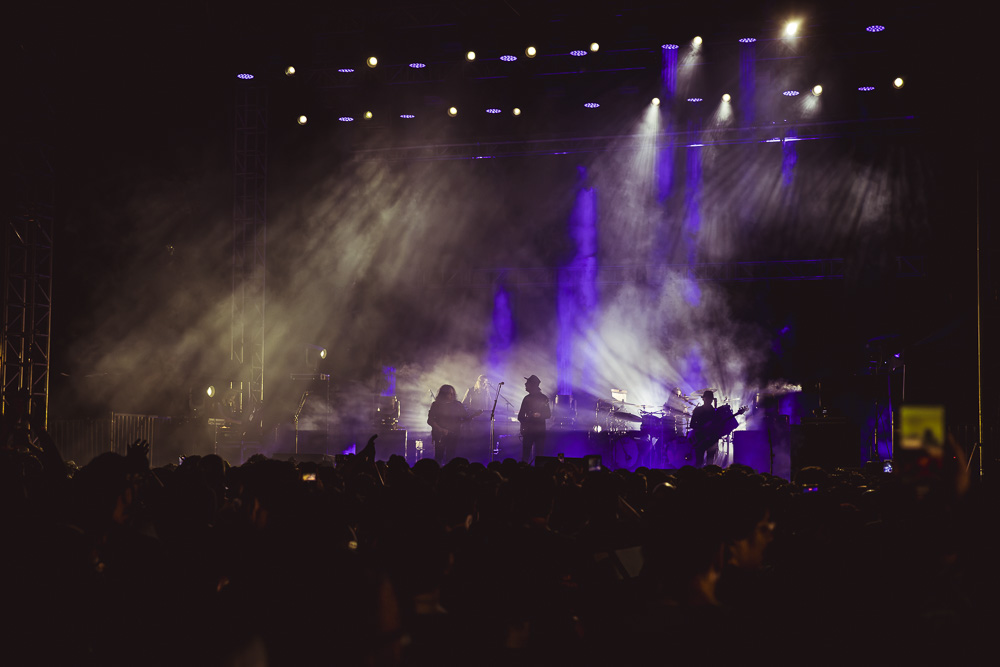
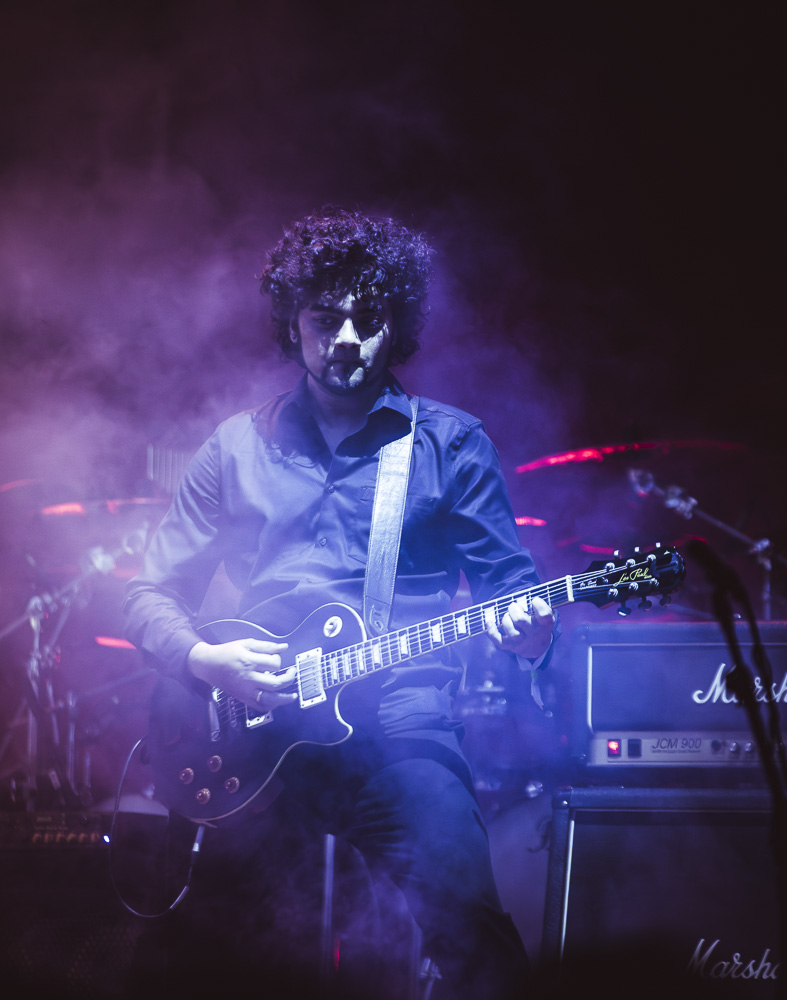
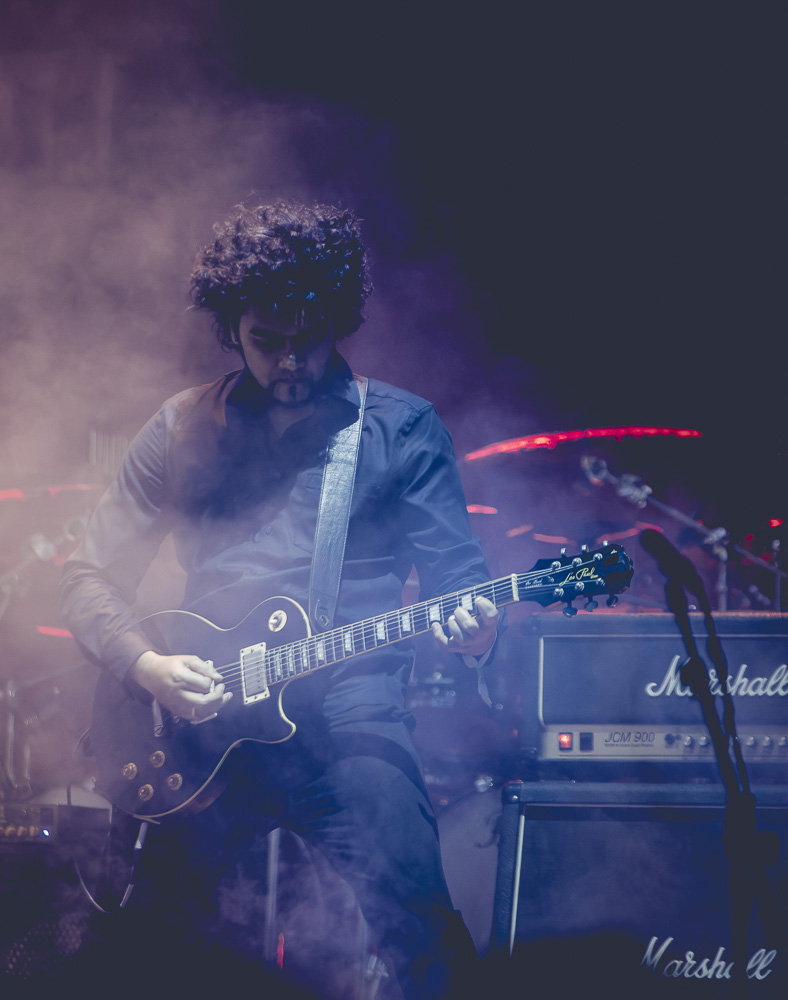
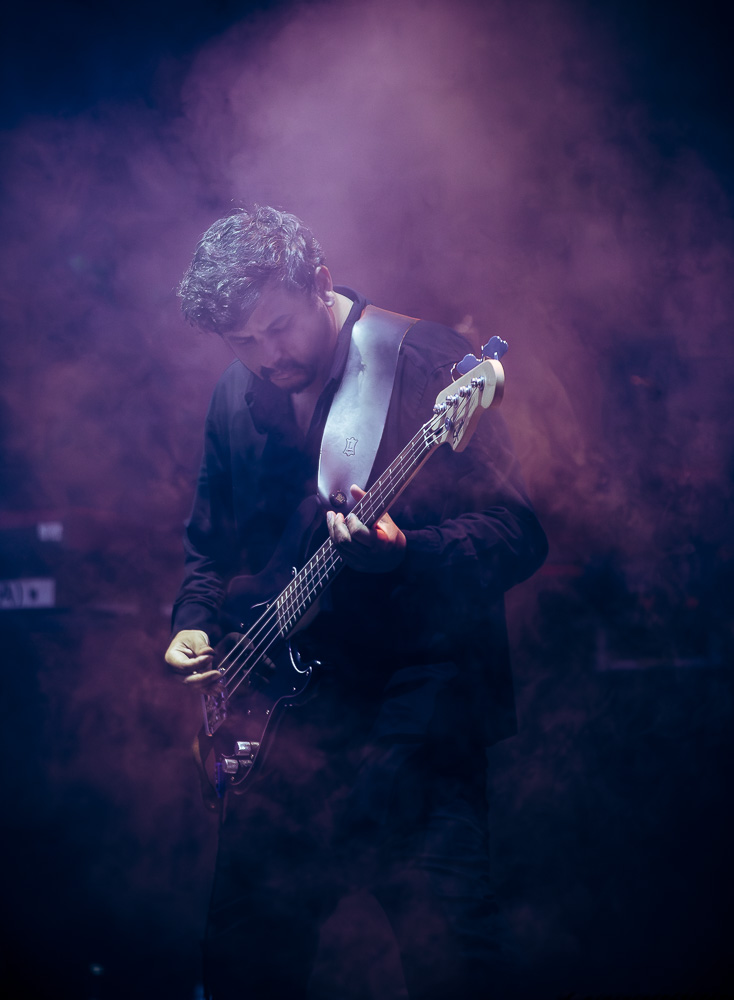
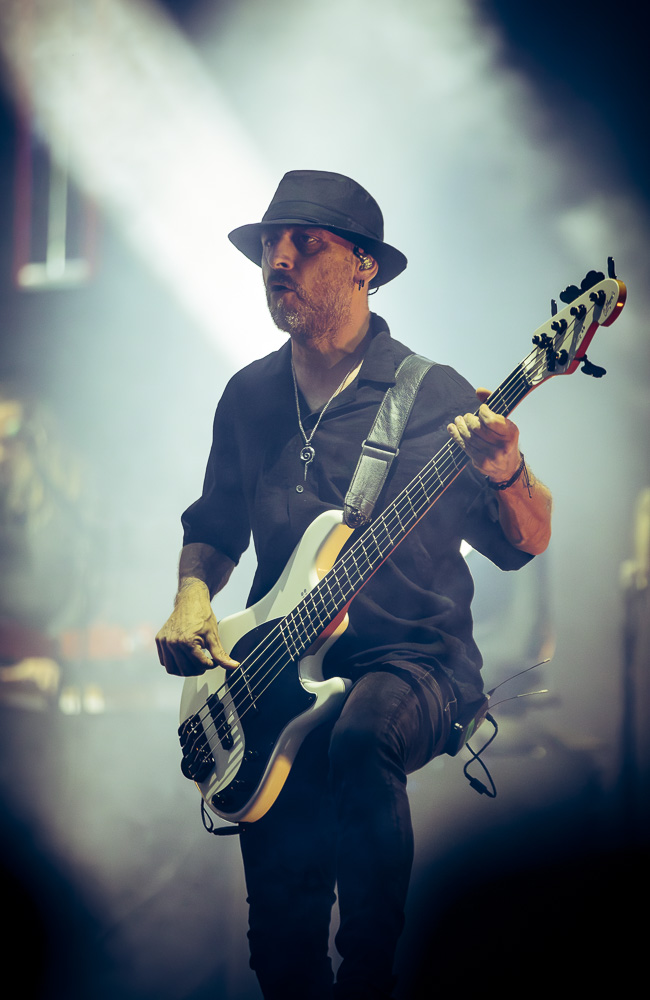
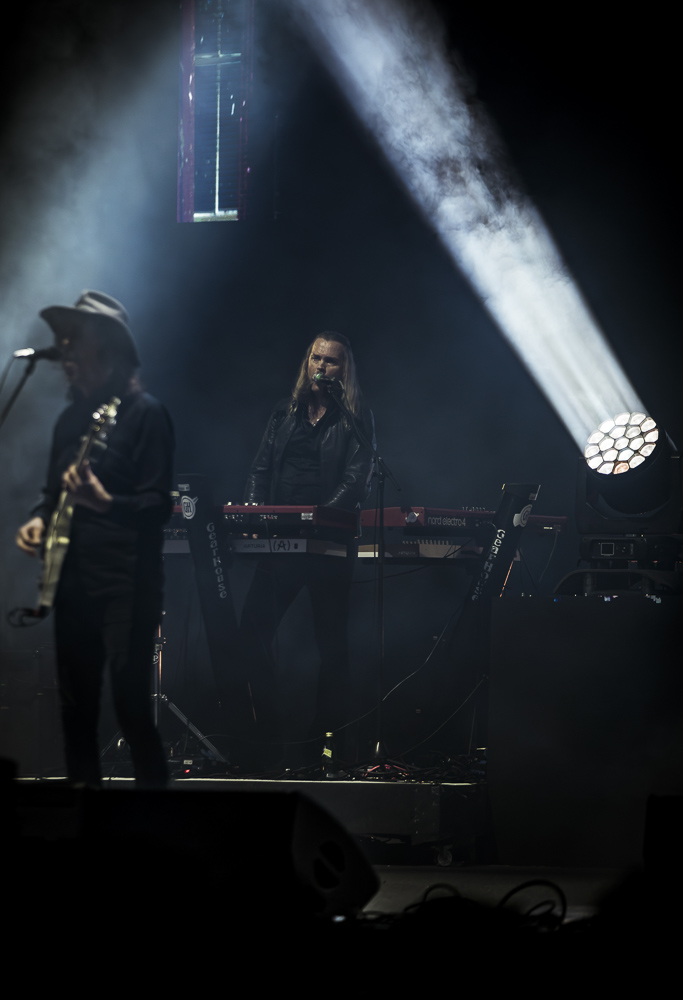
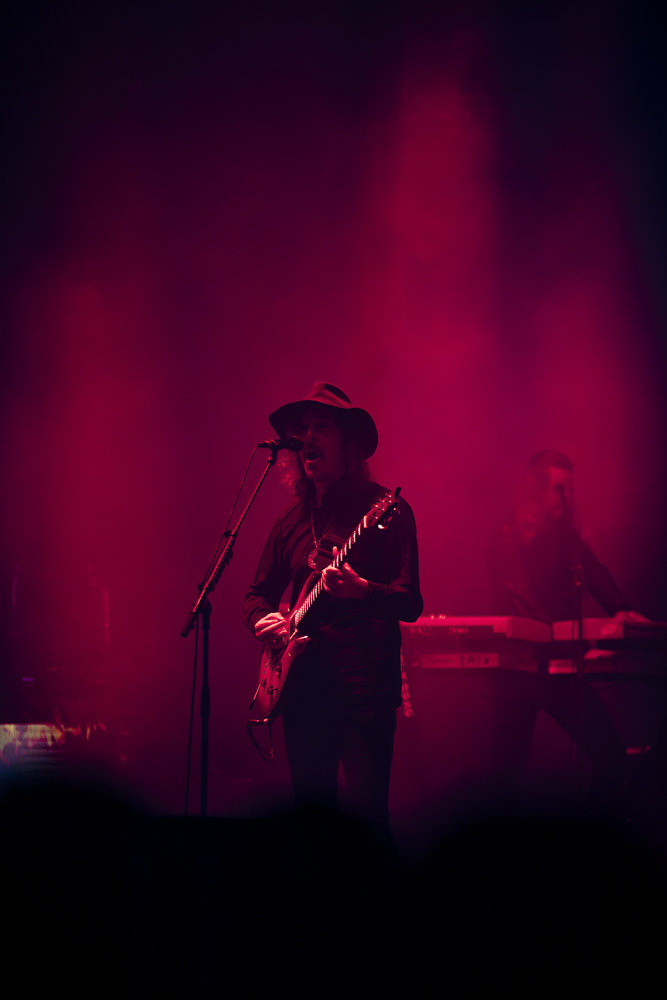
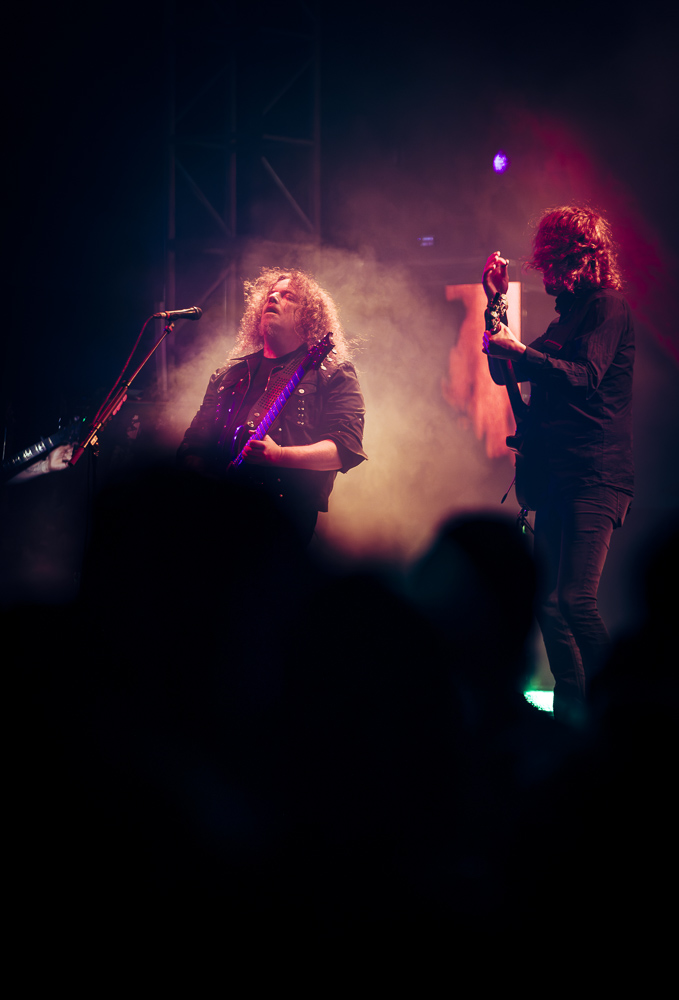
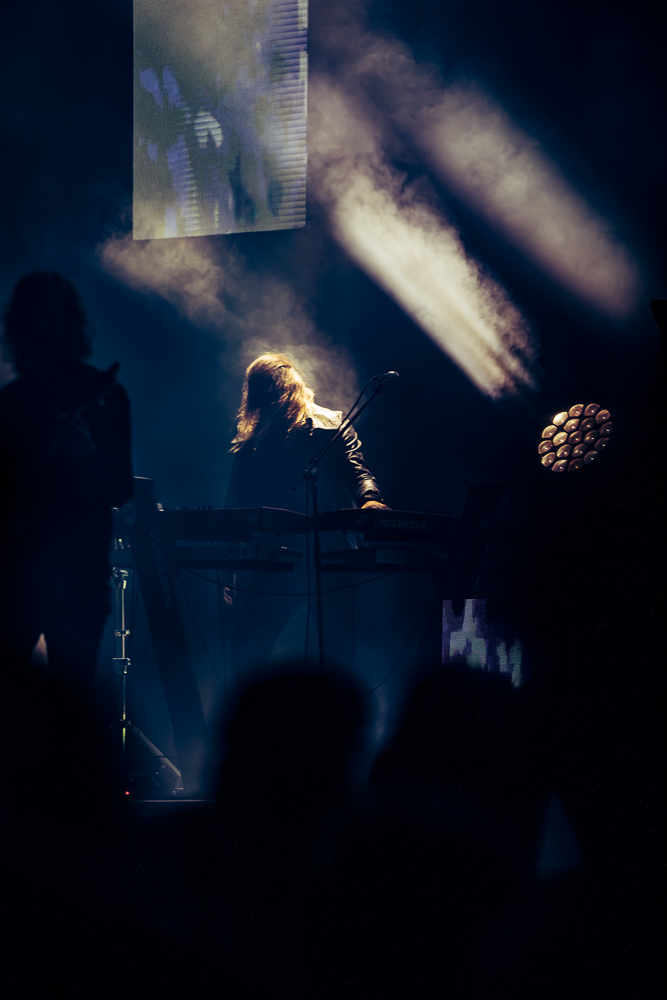
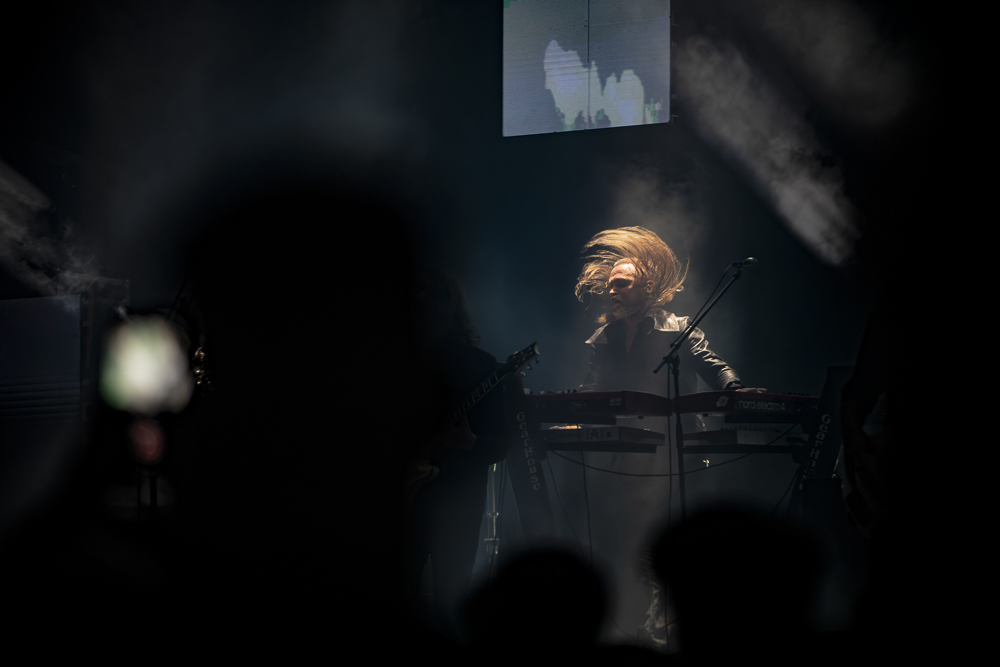
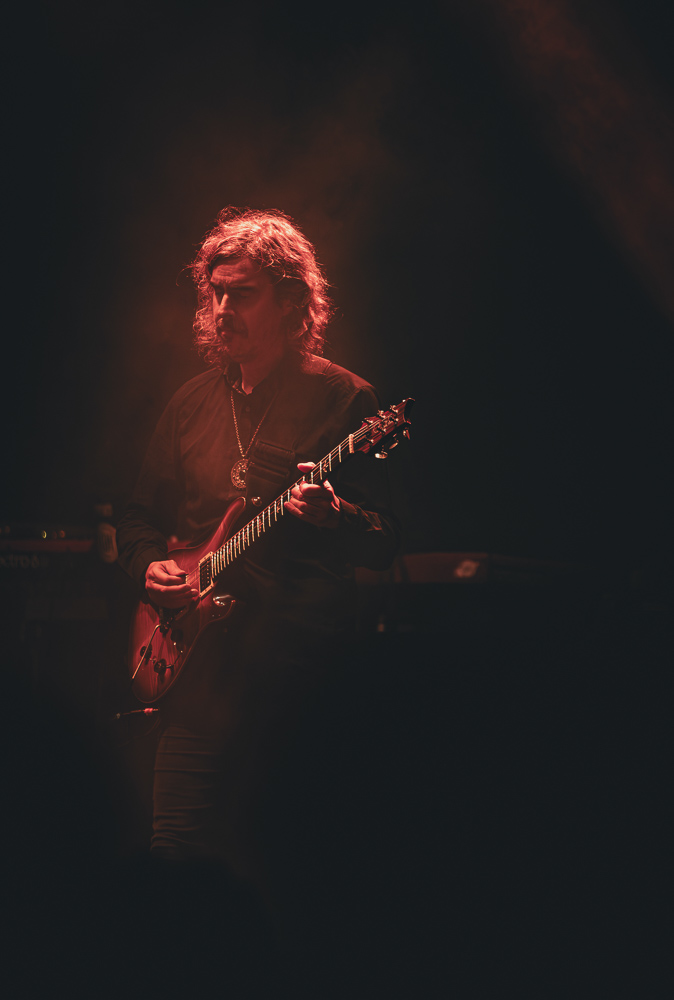
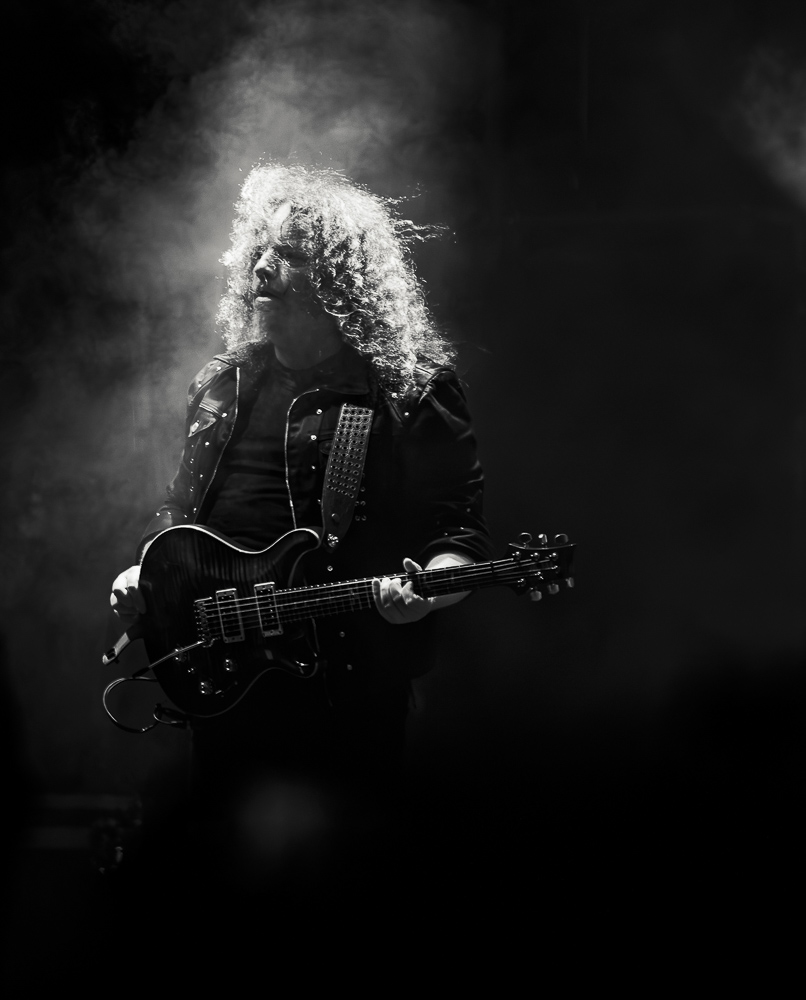
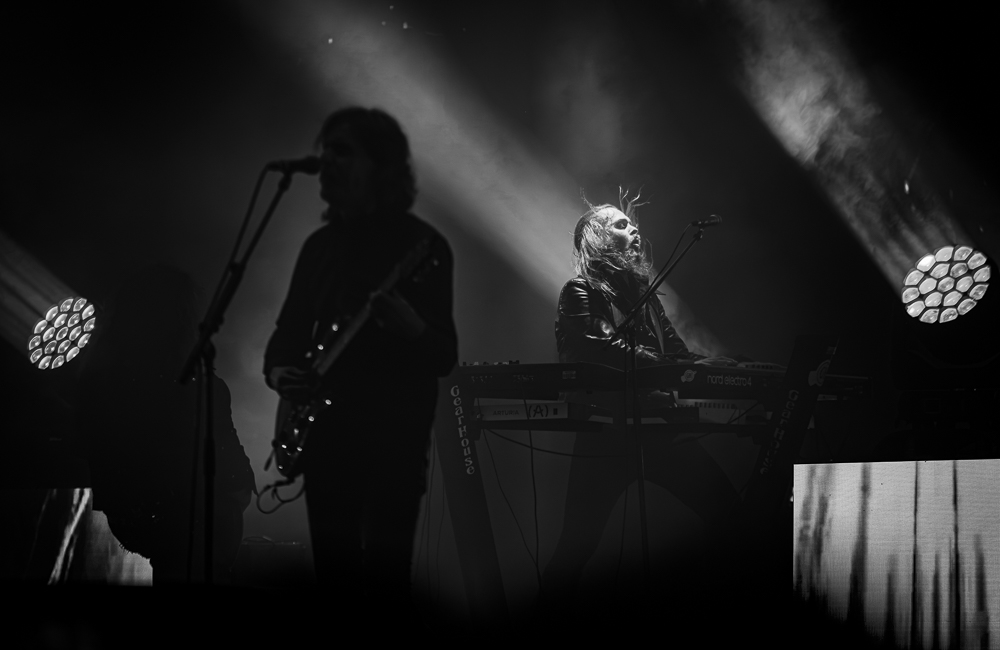
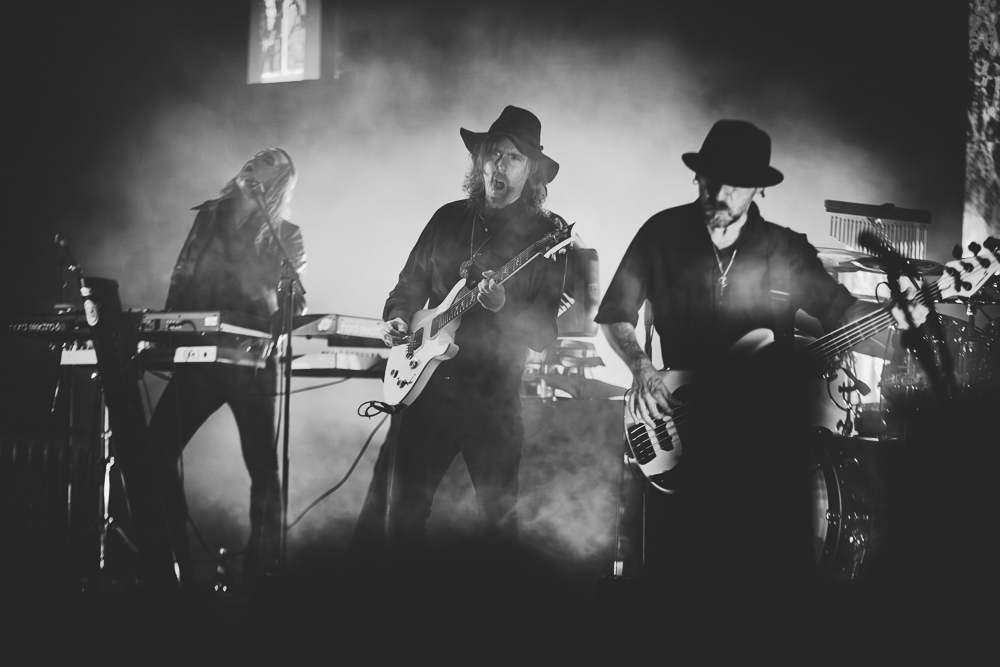
The musicianship throughout was predictably excellent, but never clinical. Fredrik Åkesson moved between precise riffs and expressive lead work, Martín Méndez remained the understated foundation beneath much of what was happening, while Waltteri Väyrynen brought remarkable flexibility to material spanning very different periods of the band. And Åkerfeldt remained Åkerfeldt - switching between clean vocals, growls, guitar and conversation as though none of it required particularly much effort.
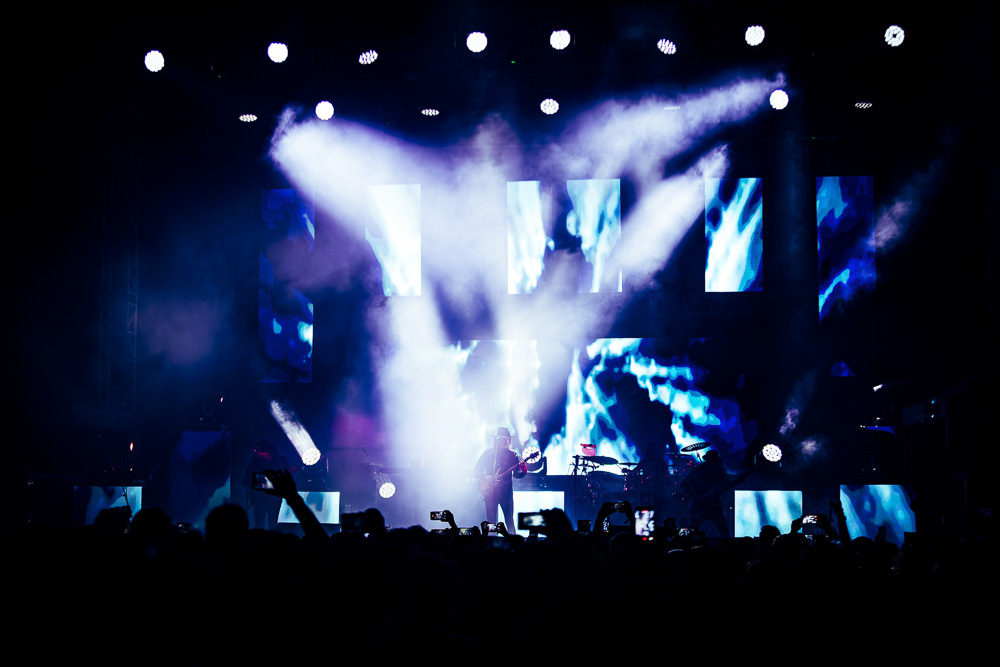
By the later part of the evening, the venue changes, delays and questions surrounding the show had long stopped mattering. There was still an encore to come. OPETH eventually returned with ‘Deliverance’, perhaps one of the most appropriate ways this concert could have ended. Its famously hypnotic final section does not need an explosive finale. The repetition itself becomes the finale, growing increasingly physical until there is really nowhere else left to go. And then it was over.

Considering how late The LaLiT Lawns had entered the picture, there is something to be said for how little of that uncertainty was ultimately reflected in the concert itself. Once the evening was underway, the venue simply became the place where Mumbai finally got to experience OPETH live. And perhaps that is the more lasting impression of the night. This was not a concert that needed spectacle beyond what was happening on stage. It worked through musicianship, contrasts, atmosphere and a band that, more than three decades into its career, still seems entirely comfortable moving between different versions of itself without having to choose one.
Mumbai responded accordingly. There was excitement, there was concentration, there was plenty of humour in between - and when the final notes of ‘Deliverance’ eventually disappeared into the night, there was that particular sense of satisfaction that comes with finally seeing something that had been a long time coming. For OPETH, Mumbai may have been another stop towards the end of a very long touring cycle. For Mumbai, however, it was a first. Hopefully, not the last.

















All Pictures by Dagmar Urlbauer