

 Interview with
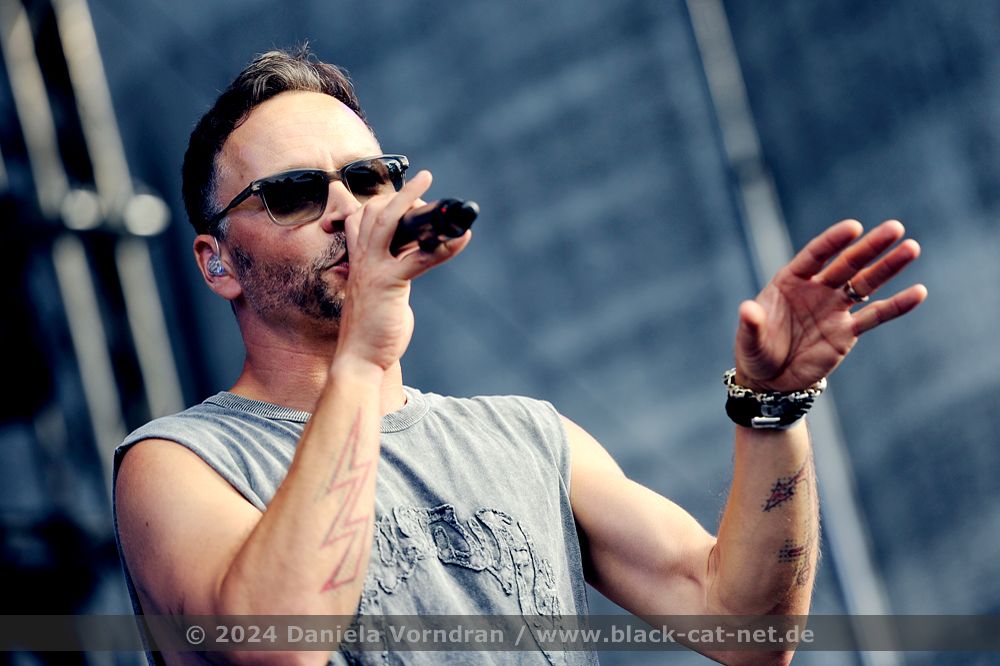
Lennart Salomon (voice, guitar) from Sono
Lennart Salomon is best known as the singer and frontman of the band SONO. With the debut single ‘Keep Control’, the band achieved an international club hit in the early 2000s, which became the “Billboard Club Track of the Year” in 2001. SONO is undoubtedly one of the most constant greats of electronic dance music and an integral part of the dance and pop scene. Last year the band released their 9th album ‘Lost Lovers Motel’. Lennart, who was born in Frankfurt in 1978, now lives near Hamburg and is also active as a singer-songwriter, composer and producer.
In the first part of our interview, we mainly spoke with him about the current status of SONO and the upcoming tour. In the second part, you will later learn more about his other projects, his diverse musical work, and there will also be some exciting news.
Reflections of Darkness [RoD]: Hello Lennart, at the moment it seems like a lot is happening for you at the same time - the tour with SONO is coming up, your solo music, the work on new songs. Thank you for taking the time to speak with me nonetheless. Before heading back to the stage, you were travelling again. Did you manage to have a bit of a holiday and get some rest?
Lennart: Yes and no. I was travelling, but to make music. When I’m travelling with AIDA and playing concerts there, there are moments that feel like holiday. Nevertheless, it isn’t a holiday trip. It’s a mindset thing. At the latest from the first concert onwards, people on board recognise me. From that point on, you essentially represent AIDA to a certain extent as well. That’s why it isn’t a holiday for me - at least not in terms of my mindset.
RoD: With all the activities you’re involved in - how do you keep track of everything, and what does your workday life as a musician currently look like?
Lennart: I only keep track of everything through good planning. I keep a calendar, coordinate many things, and also organise family life at home. My wife supports me greatly with that. Without her, I would actually be lost. After all, I also have a private life and two children.
At the moment, however, I don’t really have a workday life. A lot has happened in my private environment over the past months. Eight weeks ago, my father passed away. A year ago, Florian died, and five weeks later my mother. So there has been a lot to process and to take care of. On top of that comes all the administrative effort that arises after deaths. Leaving aside the emotional strain, all of that is simply piling up right now. That’s why I don’t really have a proper everyday life at the moment.
What I have established, however, are fixed routines. I try to do sport three to four times a week, five times if possible. Afterwards I practise guitar and vocals for at least half an hour to an hour. I want to be so well prepared for the tour that I still know what I’m doing even when the emotions eventually set in. And they will.
RoD: Let’s start by talking a bit about the project you first became known for, and for which most people still know you - SONO. Around 25 years lie between ‘Keep Control’ and the current album ‘Lost Lovers Motel’. Has your way of working in the studio changed over the years? How consciously have you opened yourselves up to new musical influences or explored new directions? How has your style evolved?
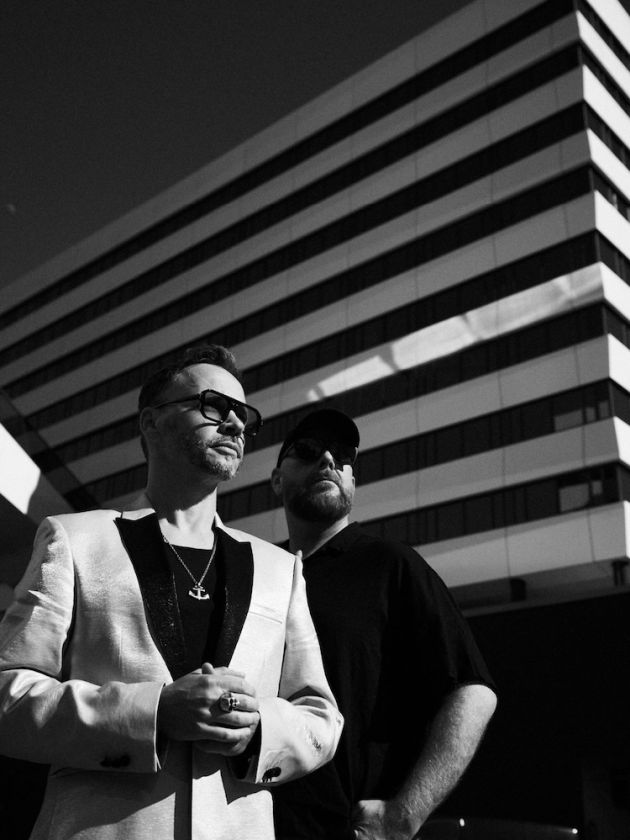
Lennart: It has always been a very flexible construct. We didn’t start out with the aim of becoming a band or making an album. Twenty-six years ago, Martin and Florian [Martin Weiland and Florian Sikorski] had produced a remix that was rejected by the original artist. However, the two of them thought it was very strong. So, they decided to remove the remix parts, reprogram everything and turn it into their own song - with lyrics and melody. That’s why it’s also the only song I didn’t co-write. At the time they were looking for a singer. By coincidence, that ended up being me.
After that, it took a long time before we found a label. When it finally happened, things really took off - that’s all history by now. With the second single, however, things already became more difficult. I was involved in the writing, and we first had to find ourselves as a team. That process took a while. Back then our record company also helped us. They were the ones who gave us the vision that a band doesn’t necessarily have to consist of drums, bass, guitar and vocals. It can work differently as well. Martin and Florian are not classical instrumentalists. Martin was a DJ, Florian also a DJ and producer. So, the question was: how do we bring that onto the stage?
When the request for an album came, the first new approaches developed. For example, I was able to bring the guitar in more strongly. On one song I even played drums, because I come from a more traditional band background. In short, our way of working has changed a great deal over time.
With the last album, ‘Lost Lovers Motel’, I had the feeling that many things almost fell into place by themselves. We suddenly found a way of working that functioned very well. We had never been so fast before. It is also a concept album - something we had never done previously. Shortly after the tour for the previous album, Martin said we should meet. At that meeting he explained: “I know what the new record will be called, how it will sound, and I know what the album is.” My first reaction was rather sceptical. At first it felt like a corset that I couldn’t break out of. Then Martin opened his laptop and showed us an initial artwork and the title. From that moment on I was completely on board.
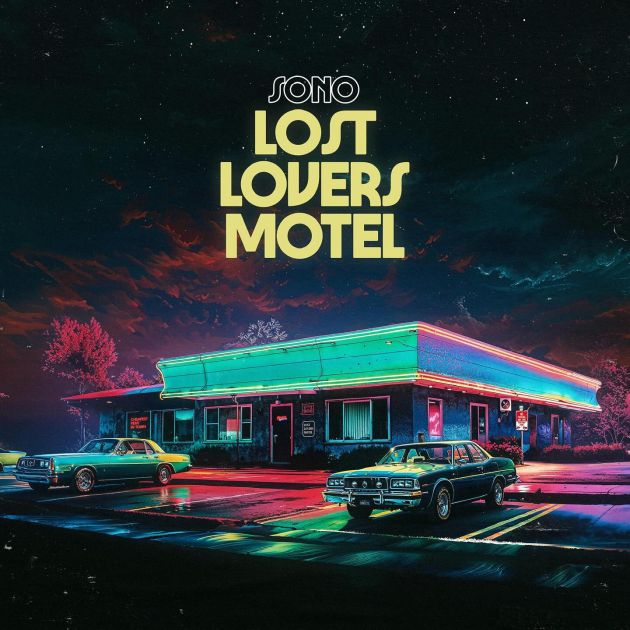
In the artistic field, a limitation can sometimes actually be helpful. A concept album sets a clear framework. That makes many things easier. You spend less time searching for sounds, structures or arrangements. You know more quickly what fits and what doesn’t. That’s why it was easy for us to write the songs and discard ideas that didn’t work. The framework was given, and we filled it with content. We were all very happy with this process. It makes it all the worse that this is now gone again.
After our 2005 tour with APOPTYGMA BERZERK, we temporarily oriented ourselves more strongly towards a band and rock sound. It was fun to see how they toured at the time and how they realised their music live. Later we became more electronic again. Overall, over the years we have tried out many things and explored different musical fields.
RoD: Over time you have worked with various labels, and you have also released music independently. What were the reasons for that, and where do you see the respective advantages and disadvantages?
Lennart: At the beginning it was very important to work with a label. Labels have established structures and a different level of market power. Our first stop was East West Records, which belongs to Warner. After that we were with Universal. So, we worked with big major labels. There was money behind that and functioning structures. At the time, that was decisive.
The music industry 25 years ago was completely different from today. It’s hardly comparable. Back then we neither had the financial nor the infrastructural possibilities to do everything ourselves. If you release independently, you have to do far more than just write music. You need artwork, you have to send the album to the pressing plant and organise distribution. On top of that comes all the promotion. All of that costs a lot of money. If you do everything yourself, you also have to finance it yourself in advance. At the time that simply wasn’t possible for us.
Over time that changed. Martin became more involved in the graphic design field. For about five albums now, Martin and his colleague at Kontor have created all of our artwork. As a result, everything appears very cohesive. We have also been working with the same photographer for around fifteen years. So, networks and structures have developed that enable us to take on many areas ourselves and control them artistically.
It was important to me that we no longer had to make commercial decisions, but artistic ones. At some point we therefore began to release music without a label as well. A record company or an A&R - that stands for Artists and Repertoire - often has its own ideas. The A&R is supposed to shape the artist or turn it into a marketable product. What a label expects and what I want to express artistically can differ greatly. I’m mainly speaking for myself: at some point I no longer wanted to be told from the outside what my music should sound like. In such moments it is a major advantage not to need a label.
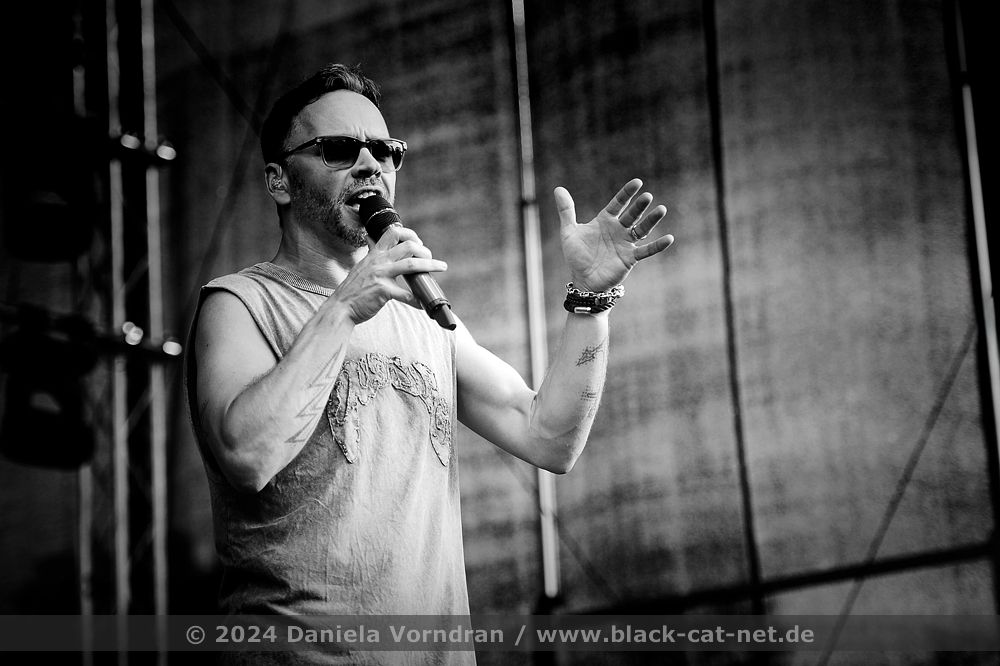
Digitalisation has made many things easier. Distribution structures are very different today. It has become significantly easier to release music independently. The large machinery in the background is often no longer necessary. The disadvantage, however, is that you have to finance many things yourself. Every video costs money. Every advertisement costs money. Radio promotion also costs an enormous amount of money. That is why today we probably no longer reach the same broad impact as we did twenty years ago. Part of that is due to the changed structures, but also because the same market power is no longer behind it - let’s call it what it is. That is the downside. On the other hand, with the last three or four albums I feel much more comfortable artistically. In some cases, we have continued to work with Kontor, but we delivered finished albums and clearly said: either you take the record as it is - or we’ll do it ourselves.
RoD: You mentioned the graphic aspect earlier. My impression is that your releases always come with a coherent visual concept as well. How important is the visual component to you, and how is the visual realisation of your productions usually developed?
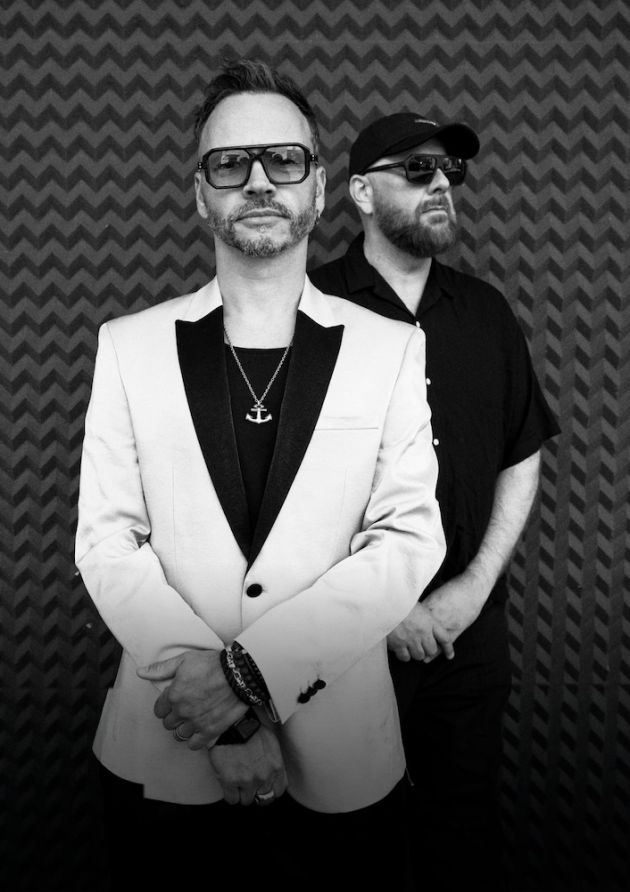
Lennart: Martin is primarily responsible for that. I have great respect for what he does and think his work is fantastic. Essentially, it can be summarised like this: Martin takes care of the visual realisation. Over time, this area has increasingly become part of his responsibilities. He often comes to us with finished concepts and shows us what the artwork should look like. Then he presents everything to us, and most of the time we say “yes”, only rarely “no”. Usually we respond with “Yes, great, do it like that.” He also frequently brings complete video concepts with him. It even goes so far that he organises or buys the clothes for a shoot. Then he just asks me for my suit size.
The visual side is very important. In the end - and here we return to record-company jargon - it is also a product. We work in the entertainment industry and, in a way, we also sell dreams. We present something that can detach itself from the private person behind it. In the end, the audience sees a work of art. That is why the visual realisation is very important. It is also a good way to stand out from others.
RoD: You just mentioned the topic of video as well. Is it still important today to release a video alongside a single?
Lennart: I believe it is still very important. Especially with our fan base, which is mostly forty plus, I often ask myself: where do these people actually consume music? Some use Spotify, others boycott it. Many say they no longer listen to the radio. They often don’t have Instagram either. So, the question arises as to how you reach them at all. Often it works through YouTube, because the platform is free. Having a video - even if it’s just a lyric video - creates visibility. We have also noticed that you can build a fan base through it. If you look at our YouTube channel and how many videos are there by now, it forms an overall picture. In that respect, it is still a very important tool.
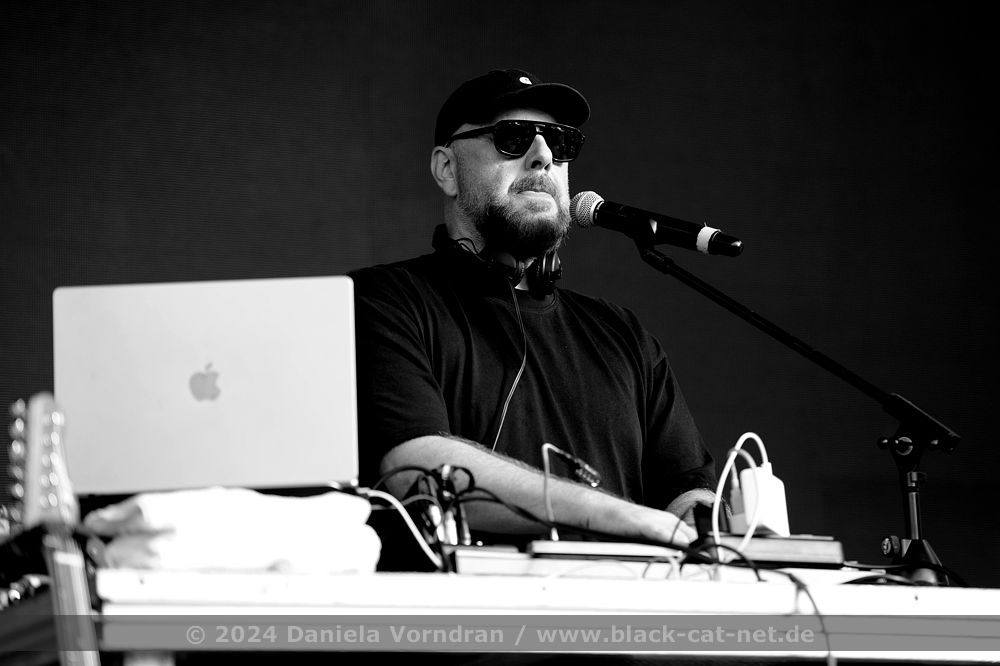
However, the significance has changed. In the past, music television and the music press created so-called gatekeepers. These were people or institutions that decided: this is good, we will publish it. This is bad, we will not publish it. That applied to record reviews, radio and music television. Today it is different. On the one hand, that is positive, because everyone has the opportunity to release music and express themselves. On the other hand, the number of releases is constantly increasing. It is now around 140,000 per day. That does not make it any easier to assert yourself against major acts working with million-euro budgets. A video is therefore only one of several tools to create visibility.
RoD: Earlier it already came through a little that your world as a band, and also personally, has been quite thrown off course over the past year. You spoke very openly and in great detail about the loss of your bandmate Florian in March 2025 in a YouTube interview, which personally moved me very much. Why was it important for you to communicate in this way, and looking back, how has this period changed you?
Lennart: When you are in a band with someone for twenty-five years and travel the world together for that long, it is almost impossible to separate the personal from the professional. That is why his death was a very profound turning point both professionally and personally. It will take a long time to process.
Why was it important for us to release this statement and do the interview? Well, we wanted to explain to people where we currently stand and what this situation is doing to us. It was meant to make clear that it isn’t simply “business as usual”. We wanted to take people along with us to some extent and also explain what had happened. Many people didn’t even realise that everything occurred only fourteen days before the planned start of the tour. Fourteen days before the tour was due to begin, we immediately shut everything down and said we couldn’t perform. It would have been impossible to go on stage in that situation.
RoD: Absolutely understandable.
Lennart: Exactly. But many people simply listen to our music and don’t engage with anything beyond that. They often have no idea what is happening in the background. At the same time, the concert industry is still dealing with the after-effects of the Covid period. Since then, many events have been cancelled, often at very short notice. That’s why we wanted to explain once again what is currently happening with us. People were meant to understand why we made that decision. It was also important for us to say that we do want to return to the stage - but under what circumstances and in what form.
We wanted to give this explanation ourselves. That way we could describe how we experience the situation, instead of others speaking about us. It was about presenting our perspective. I don’t mean that anyone had claimed anything incorrect. But before any misunderstandings could arise, we wanted to explain proactively what the situation is.
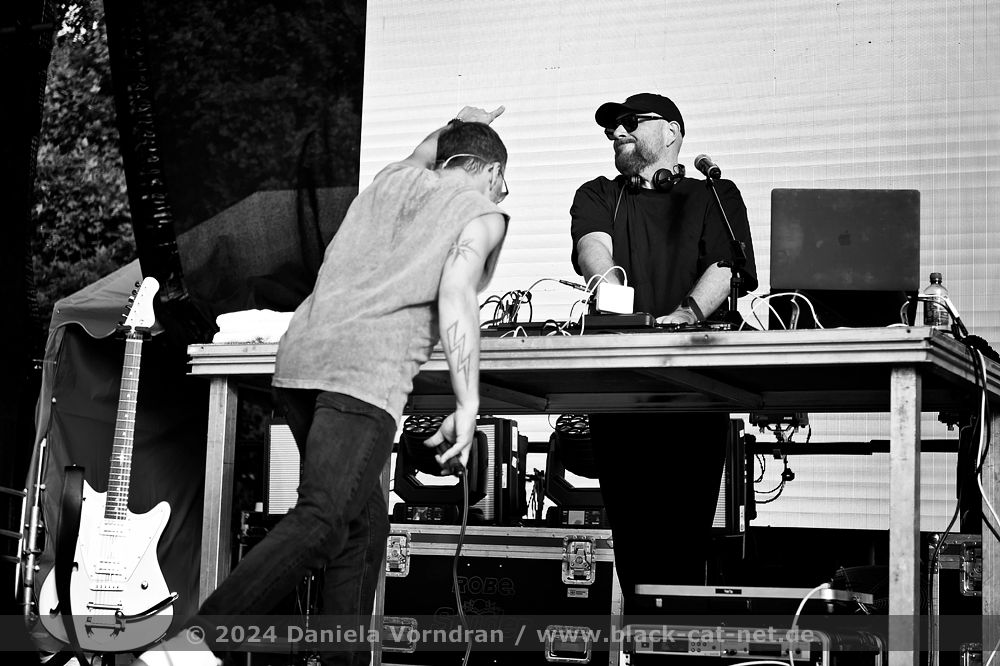
RoD: Among other things, you spoke about having considered whether SONO could continue at all. How difficult was that decision for you, and what ultimately led you to continue?
Lennart: This decision was not easy for us. Back then I also said: give me time, I don’t know anything right now. Emotionally I fell into a very deep hole. It shook me to my very foundations. I still have to deal with it today. At some point, however, we realised that a band is more than the sum of its individual members. We wanted to carry that forward. That was not meant to be the final point. We still have something to say. It also would have been a great shame if everything had ended like that. After all, it wasn’t a decision we made.
For me personally it was also important that we continue, because I consider ‘Lost Lovers Motel’ the best album we have ever made. I really celebrate this record. If you set the human aspect aside for a moment, from an artistic perspective it would have been a tragedy never to bring these songs onto the stage. It would have felt like wasted work.
There is also always a kind of cycle with an album. I wanted to complete that. For me it was clear: if someone from the outside presses the stop button here, I press play again. However, how things will continue with SONO in the long term is still open. The situation remains fragile. Many things have not yet been finally clarified. At the moment we are focusing on the upcoming tour. At the same time, we are already working on new material. A new single will be released on 20th March.
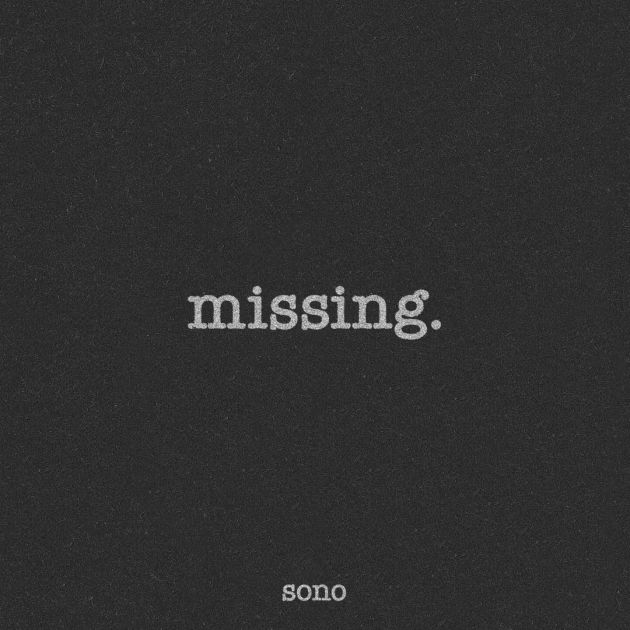
RoD: Exactly - ‘Missing’. Was that your attempt to process everything musically? Does making music help you deal with the loss?
Lennart: Absolutely. That is also the other aspect. It has always been that way. It’s simply a kind of outlet. That’s why making music, writing and composing are so incredibly important to me, because it is also a tool for processing things. In that sense, many of the lyrics naturally revolve around what has happened to us over the past twelve months.
RoD: Your tour starts on 10th April. As you already said, it was also important to you that the songs would somehow finally make it onto the stage. Are you looking forward to it now, or is there also a sense of unease?
Lennart: Of course that’s still there. It’s more that I’ve only recently started to look forward to the tour. Before that I had no idea at all how I would manage it emotionally. At some point that shifted, because I began engaging more and more with the material. It always sounds strange, but I also have to practise my own songs. Now I actually want it - I want to take it onto the stage. I’ve lost the sheer fear of it, but I still have a great deal of respect for it.
RoD: The new album will certainly be a focus, along with some classics. Are you also planning to play new material already?
Lennart: Yes, we do. We will make the final decision next Friday. There will be at least one new song, but we already have a bit of material in the chamber. We really do want to do something new as well. The album is still quite fresh - it was only released in February 2025. That’s just a year ago.
RoD: The exchange with the fans - how important is that for you? When you have an album out, how important is it to actually bring it to the stage and receive feedback from the audience?
Lennart: I can only speak for myself here, not for Martin. For me it is very important. I want to get feedback. In the end, that is the reason why I make music at all. I want to go on stage and play the songs I have written. I want to show them to people and know how they are received.
My perspective on this has changed a little. What I like to play or listen to does not always correspond with what people want to hear from us. It is a give and take. Often it is interesting to observe which older songs assert themselves live - sometimes ones we never expected. Other songs that we considered strong simply do not work live. You have no influence over that. That is what makes the first concerts with a new album so exciting.
I remember the last tour: I had spent a long time thinking about the playlist and the order of the songs in order to build a certain dynamic curve within the concert. During the first two shows I realised that it still wasn’t working properly - there were gaps where the atmosphere dropped. The MC (Master of Ceremony) is not only the rapper, but someone who controls the emotions. And that is exactly what I want to do. After the first show I sat down, listened to everything and changed things. Then came the second show and that wasn’t quite right either. By the third show I had the feeling: now everything fits. From beginning to end it worked. That’s why it is very important to me what people say and how they react.
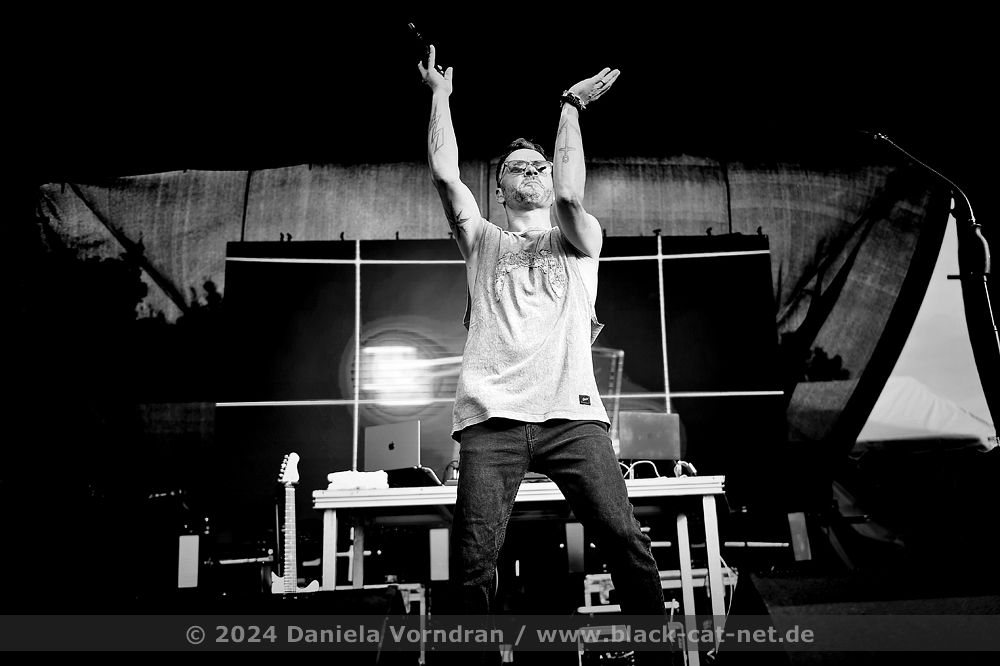
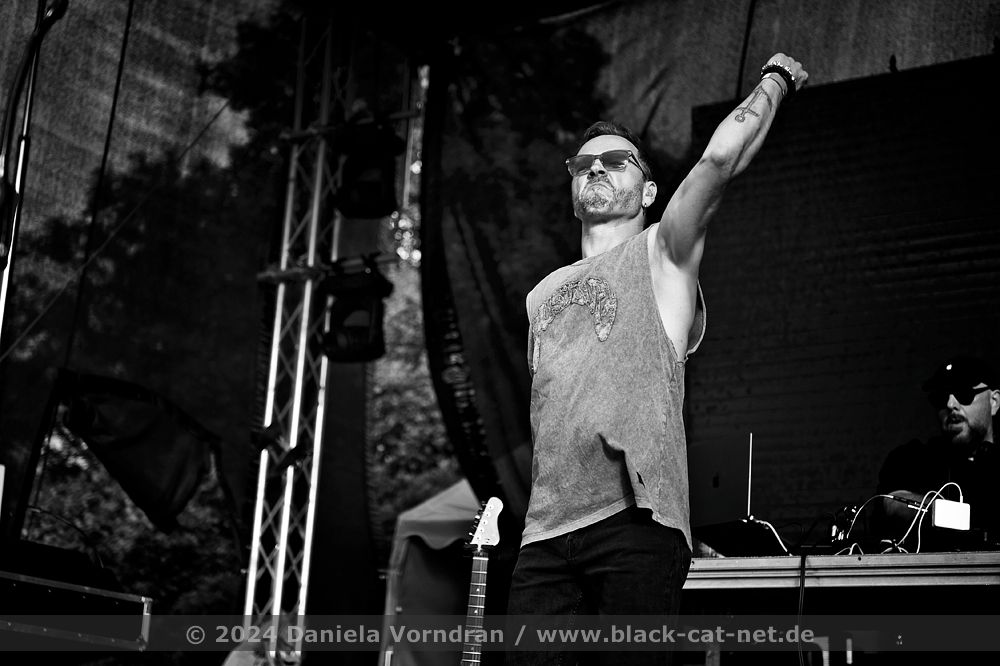
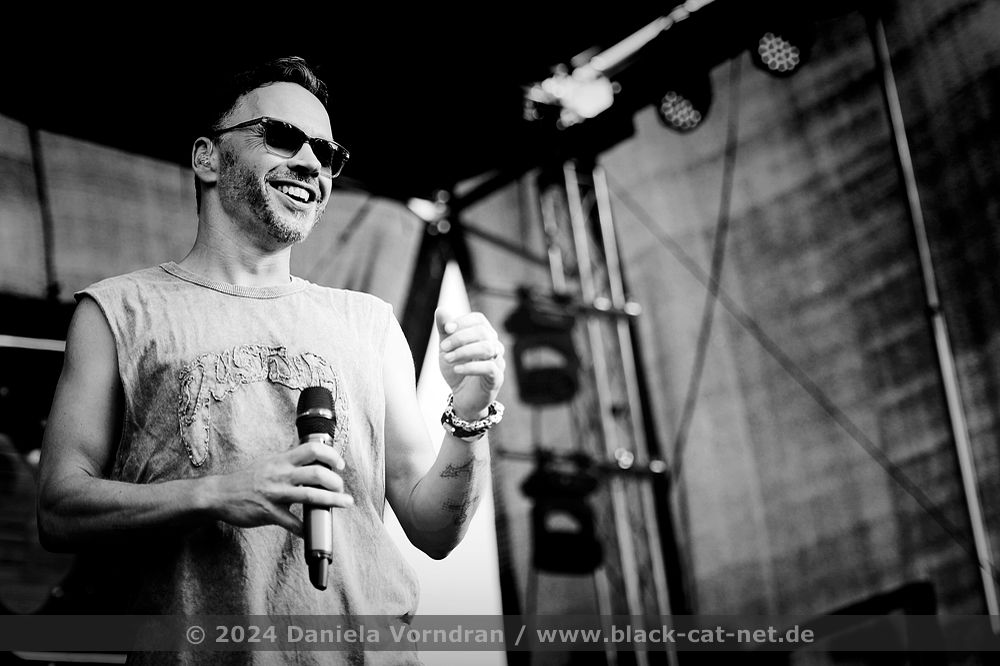
RoD: When you’re on stage, you always seem to be in a good mood, very present and full of energy - you could say a real “stage hog”. How do you experience yourself on stage? Do you actually feel that free on stage, or is there still nervousness before a performance?
Lennart: One does not exclude the other. I really enjoy being on stage and I love playing with the performance. Especially when the sound works for me, I can act very freely. There is little I would rather do than play a show. The stage is my “happy place”. Nevertheless, I am often nervous beforehand because I know my weak points. There are passages that are difficult to sing or play. Sometimes I have to do both at the same time, and then a difficult section comes up. When that works, I’m all the happier. It’s simply also an exchange of energy with the audience.
With solo shows I have to invest much more, because I usually have to start from zero. With SONO it is easier, because the fans know the songs and know what to expect. Even so, my aim at every performance is to win over the audience completely. In the end I simply want to have the feeling: “Great, I want to see that again” or “Great, that was a good evening.”
RoD: Do you have a particular ritual that is part of your routine before a concert? You certainly warm up your voice, but especially with SONO - is there something you do together as a band before going on stage?
Lennart: Yes, I’m curious myself how that will be now. We always had a group hug beforehand. It sounds cliché, but that group dynamic is really important. The team is crucial. It’s not just the people on stage, but also the lighting and sound technicians, the merch sellers. When that works and the team collaborates well, it’s like a school trip. That’s exactly why we do it, because that energy is so great.
We try to make the whole process as pleasant as possible for one another and to treat each other with respect. I know that during the first two shows I’m in my own tunnel about an hour beforehand. That tunnel then keeps getting narrower. I warm up, sing and pace around backstage - like a tiger in a cage waiting for the gate to open. Sometimes it’s quite intense. Then we all give each other a tight hug, and off we go. We don’t really have any other ritual than that.
RoD: The upcoming tour will also take you back to Leipzig. As SONO, you don’t only associate the city with good memories. [Lennart is already laughing] You know what I’m referring to - you have already been robbed there twice. Have you taken any special precautions this time?
Lennart: I hadn’t even thought about that. I try to block it out every time. This time we’re playing in a different club than last time. Since then, of course, we’ve become very aware of it. The loading situation has changed: there is always someone at the bus. Something like that won’t happen to us again.
RoD: I think that probably wouldn’t be so good either, because you’re already in Dresden the day after.
Lennart: Yes, exactly. It would be problematic anyway. The first time, we had a sold-out show in Berlin the next day. They stole a projector and my in-ear system. That was a real disaster.
RoD: Earlier you mentioned the topic of the album-tour cycle. That has changed a little in recent years. You once said: “In the past you toured to promote an album. Today you make an album to promote the tour.” How do you experience this shift, and how does it affect your work with SONO?
Lennart: Yes, that’s exactly how it is. And it doesn’t just apply to us, but to everyone in the industry - the big acts as well as the smaller ones. You don’t earn money from record sales anymore. CD and vinyl have more or less become merch products. Their value has declined significantly because everything is available at any time.
In the past, people bought records and that was part of their identity. You found people interesting who had a similar record collection, or who owned rare pieces that you didn’t have. Today everything is accessible to everyone at any time. It is no longer identity-forming. At concerts, at least, people meet each other, and that’s where a sense of community emerges again. That is why touring is much more important today. Ideally, that is where you can still earn money, if enough tickets and merch are sold.
Unfortunately, that is also an economic consideration - we have to live from something. At the same time, the costs of a tour or even a single concert have increased by 30 to 40 percent: equipment, wages, energy, petrol. Just try travelling from Hamburg to Munich for a show with 150 people. What do you think we’ve already spent before we’ve even played the first note? And the team has to be paid as well. That’s why touring regularly is important, so the fans don’t forget you. At the same time, you can’t tour too much, otherwise people eventually become oversaturated and stop buying tickets. For us musicians, touring is more important today than ever before.
RoD: I think that, for that very reason, advance ticket sales have also become more important than ever. At the same time, however, it has become increasingly difficult to get tickets to people early on.
Lennart: Yes. Art is often a reflection of society. At the moment you can see that people have less money in their wallets. On the one hand, it’s no problem to spend €350 on a ticket for METALLICA and perhaps travel to another city that day and stay overnight in a hotel. Then you’re quickly spending €800 to €1,000 for two people. On the other hand, that means there won’t be any more concerts for the next four months.
RoD: Then you don’t go to twenty smaller concerts, that’s it.
Lennart: Exactly. We are struggling with that as well. Grassroots concerts or shows up to €20 are not a problem. Between €40 and €80 it becomes very difficult. From €80 up to €800 - no problem. At the moment it’s like this: either a tour sells out immediately, no matter how expensive the tickets are, or it remains uncertain until the very end whether it will take place at all. A healthy middle ground has simply become difficult.
RoD: Earlier we briefly touched on the topic of streaming services. You already said that it’s a bit of a blessing and a curse at the same time. How is it for you, and how do you view streaming - especially the growing amount of AI-generated music? Do you see that as problematic?
Lennart: We are now at around forty percent. Of course that is problematic, but at the same time it is also an opportunity. It becomes difficult when you look at the dilemma with Spotify, which is really flooding its platform with AI and somehow investing in military drones. And I’m there selling my music on it - so I’m part of the problem. I don’t really want to be that. The major issue is that these platforms have a market share of 70 to 80 percent. If you are not present there, you effectively don’t exist anymore. So, you have to ask yourself how much weight you give to that. I don’t have a clear solution or answer. It is simply both a blessing and a curse.
The opportunity, however, is that real live music cannot be replaced by anything. When I stand on stage and play music live, that is the truth. AI cannot fake that. That human emotion, that exchange of energy - you cannot create that with AI. Of course there are shows with avatars, like that ABBA show, but there is no real band on stage and nothing real is happening. Nowadays it’s almost the other way around: if something goes wrong, people know that it’s live and real.
RoD: It’s also always the case that when something goes wrong, it somehow comes across as likeable, because then people know…
Lennart: …that it’s still a human being, exactly. For me as a performer it can sometimes be difficult. I try to make the best moments out of everything. When I forget lyrics, it can actually be fun. But sometimes it also really annoys me. I have high artistic standards. If I don’t live up to that and can’t pull off a solo, I often just think: ‘Maaan’. Then it frustrates me that I can’t deliver my performance.
RoD: That’s it for the first part of our conversation, which I really enjoyed. However, we also discussed many other interesting topics. You’ll be able to read the second part of our interview shortly, so stay tuned. And if you’re still wondering which concert to attend in the coming weeks, you can find the dates here.
Next live-dates (SONO)
10.04.26 - Rüsselsheim / Das Rind
11.04.26 - Oberhausen / Kulttempel
16.04.26 - Stuttgart / clubCANN
19.04.26 - Munich / Backstage
01.05.26 - Hamburg / Knust
02.05.26 - Berlin / Lido
08.05.26 - Leipzig / WERK2
09.05.26 - Dresden / GrooveStation
16.05.26 - Rostock / M.A.U. Club / Zabrik e.V.
24.10.26 - Erfurt / Zughafen
Tickets: https://tidd.ly/4bBt5Mc
Next live-dates (Lennart Salomon)
04.05.26 - Norderney / Inselloft
14.05.26 - St. Peter-Ording / Urban Nature
30.05.26 - Heiligenhafen / Beach Motel
06.06.26 - Barmstedt / Inselfest
04.07.26 - Halle / Eastside Festival
25.07.26 - Camp Langholz / Seeräuber Spelunke
30.07.26 - Dahme / Strandhuus
02.08.26 - Nordsee / AIDAbella
28.11.26 - Oberhausen / Kulttempel
Next live-dates (MORPHOSE)
13.05.26 - Dresden / Black Swarm Extra
Website: https://sonomusic.de / https://www.facebook.com/sonofm / https://www.lennartsalomon.de / https://www.facebook.com/lennartsalomon
Pictures by: Philipp Rathmer / Live pictures: Daniela Vorndran