

 Interview with
Lennart Salomon (voice, guitar) from Sono
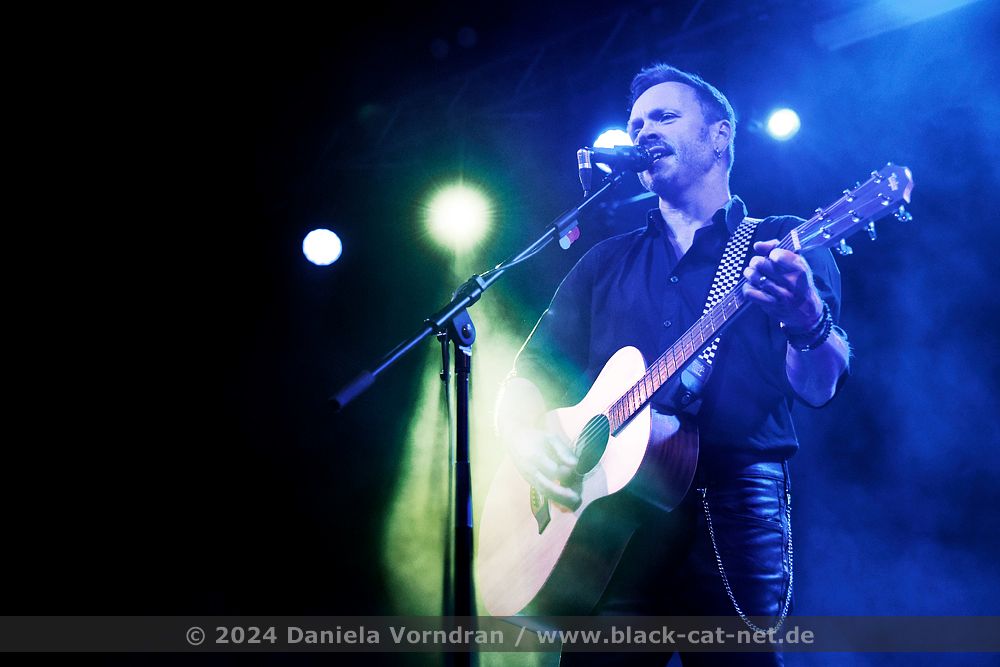
In the first part of our interview with the singer and frontman of SONO, Lennart Salomon, you learned quite a bit about the current state of SONO and the upcoming tour. In the second part, we spoke about Lennart’s other projects, his diverse musical work, upcoming releases, and further news.
Reflections of Darkness [RoD]: You started making music very early. Do you come from a very musical family that shaped you?
Lennart: Yes, absolutely. I have a sister who is three years older than me. She started piano lessons when I was six. I somehow wanted to make music as well and had piano lessons from the age of six. I tried many instruments, partly with lessons and partly without. I was strongly influenced musically from home, both actively and passively. We listened to a lot of music. Our parents often took us to concerts. So that influence came very early. Yes, that is definitely the reason.
RoD: If you had to name your musical roots - which artists or bands influenced you the most? I believe THE BEATLES are right at the top.
Lennart: Exactly, THE BEATLES are right at the top, also PRINCE. In the past it was also THE ROLLING STONES. My father was born in 1950, a classic ‘68er. All those Rock stuff from the 60s and 70s had a strong influence on me. Later even 90s Hip-Hop was added.
Musical influences often come in phases. In your early twenties you develop in a different way again and new bands come along. DEPECHE MODE actually only came into it through my SONO colleagues. I hadn’t really had them on my radar before. On tour, at night from Berlin to Cologne, ‘Songs of Faith and Devotion’ was playing on the motorway. That’s when it suddenly “clicked” for me. I thought: Alright, I get it. What a band! That influenced me a lot.
I’m also strongly inspired by Jazz, by many names that probably won’t mean anything to you. I also recently realised again how influential the RED HOT CHILI PEPPERS were in the 90s - ‘Blood Sugar Sex Magik’ - or ‘Odelay’ by BECK, classic 90s albums. RAGE AGAINST THE MACHINE was also incredibly influential for me.
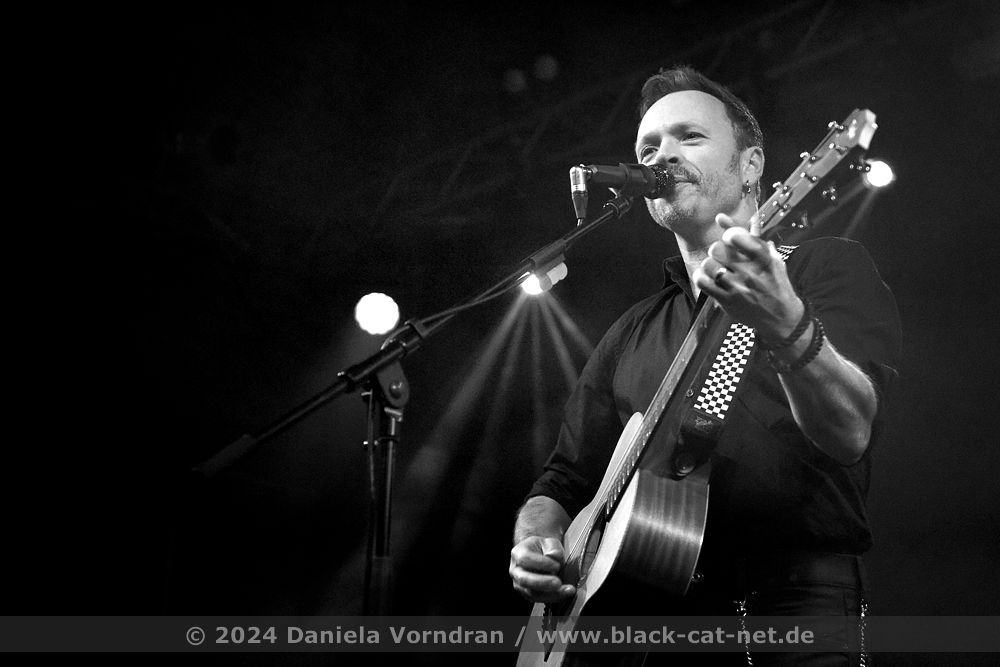
RoD: Despite your musical inclination, you initially completed an apprenticeship as an advertising clerk. How did you end up in that profession, and does that knowledge help you market your music today? Or was it more a case of thinking you had to learn something “proper”?
Lennart: It was a mixture of both. My father worked in advertising for forty years. During the autumn holidays in 11th form, I did an internship at an advertising agency because I had a few ideas and wanted to see what it was like there. The agency was happy about it. Two weeks of internship - it didn’t cost them anything. Afterwards they asked what my plans were. I said: “First I’ll finish my A-levels.” They said: “Then you can do an apprenticeship with us. Give us a call after your A-levels.” I agreed.
So, by the end of form 11 I already knew what I would do after finishing school. During my first year of training, I realised: I have to make music and I want to make it my profession. My sister had already done that three years earlier - in the classical field. I told my parents: “I have to make music.” They agreed, but on the condition that I finish the apprenticeship. That way I had a plan B. Until things worked out with music, that was basically my course of study. I studied musicology for two years, or four semesters. Then SONO happened and I thought, “screw it,” and stopped.
And yes, the apprenticeship has partly helped me in marketing. But if I wanted to start working in an agency now, it wouldn’t help me at all - in my late forties, with zero professional experience - the apprenticeship would be practically useless.
RoD: You mentioned earlier that you learned various musical instruments. You had piano lessons for several years, learned a bit of violin, played drums, taught yourself guitar and sang in a choir - so quite a lot of different things. How has this varied training influenced your musical development and your songwriting today?
Lennart: Significantly. It gave me an understanding of structures - how you can play things and how you can’t. If you master an instrument, the path from an idea in your head to your fingers, to the instrument, to an audible result is much shorter. If you can’t play an instrument, that doesn’t mean you’re not a musician, but the process takes much longer.
An idea in my head I can implement relatively quickly, because I know where the notes are on the piano. I hear it and can play it. With the guitar it’s the same. Without an instrument it would take longer. The fact that I’ve played many instruments also helps me with arranging. I know how the drums have to sound and I have a clear idea of what the final result should be. I know exactly how to get there. That helps enormously.
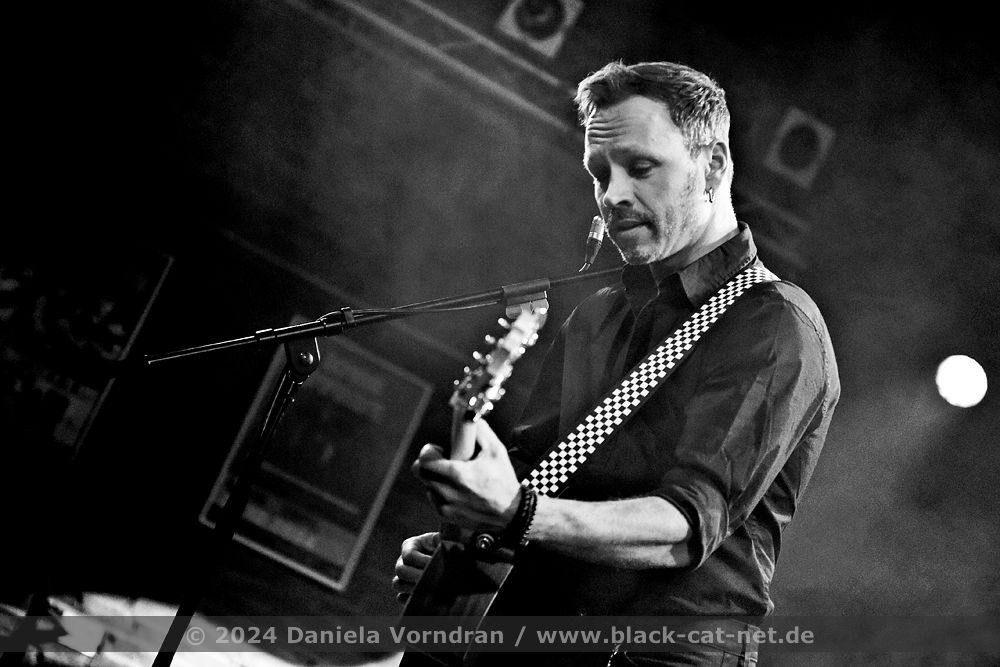
RoD: “I basically started writing songs out of laziness,” you once said. What do you mean by that?
Lennart: With the guitar, for example: everyone around me wanted to play songs by other people. “Can you play this great lick from ‘Sweet Child of Mine’?” - things like that. I thought: No, I can’t. And honestly, I didn’t feel like learning it either. I didn’t want to play that because this song already exists.
So, I preferred to write my own songs. And then you’re judged differently. You don’t have to measure yourself against international greats. Your song is new - either people like it, or they don’t. No one says: “You played that badly, someone else played it better.” That simply drops out of the equation. In that sense, I was really too lazy to learn other people’s songs. I preferred to write my own instead.
RoD: Parallel to SONO, you have also built a solo career as a singer-songwriter in recent years and have released two EPs and an album. What was the original motivation for your solo music?
Lennart: I have always done that alongside SONO. In the best sense, SONO is a compromise. Three people from different musical backgrounds come together and create a shared sound. I come from a completely different musical background and also made music in that direction. Back then I had a band called JEROBEAM. While we were recording ‘Solid State’, I was simultaneously working on my first solo album, but with JEROBEAM rather than as Lennart Salomon. That way I could collaborate with different people and bring everything together under one roof.
SONO was also not enough for me. I wasn’t fully occupied. I have a lot to say and I constantly write material. Releasing an album with 10-12 songs every two years was not enough. I also wrote a lot for others. I simply enjoy the process of songwriting and I like creating things. I want to create things.
When I stopped writing for others and focused on myself and my artistic statement again, I realised that it was becoming more and more important. It is also easier because I don’t have to coordinate with others. It’s my language, my musical form of expression, and I bring in people who can somehow realise my vision. I don’t want to diminish SONO in any way. But there, several people are baking a different cake together. With my solo music I can still collaborate with others, but it is 100% my own brainchild.
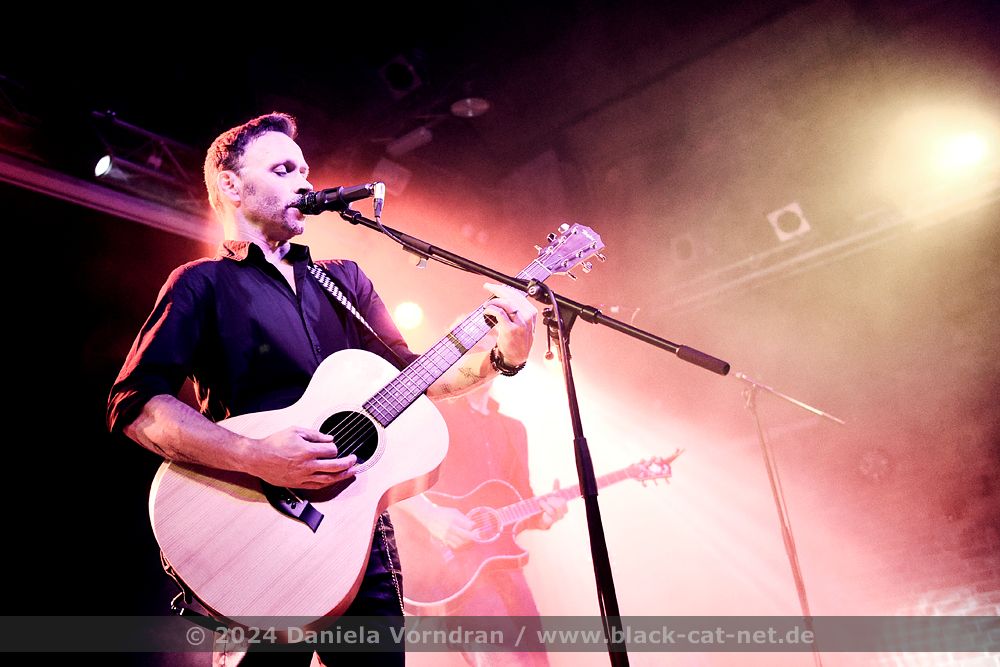
RoD: You often describe your music as “adult Pop-Music”. What exactly do you mean by that?
Lennart: The problem with the term singer-songwriter is that it’s so meaningless. A Neil Young is just as much a singer-songwriter as an Ed Sheeran. But I would never put them together in one playlist, because they are completely different sides of the rainbow. What I do could also be called timeless Pop-Music. That is actually my aim. A record of mine should be anything but tied to the Zeitgeist. It should be completely irrelevant when you listen to it - in ten or thirty years, it doesn’t matter - it will still sound fresh.
It is still Pop-Music, but for adults. If you grew up with bands like THE BEATLES, STING or FLEETWOOD MAC, you understand what I mean. As a teenager I found all of that boring. Today I want exactly that, because this music works on many levels: well written in terms of craft, well arranged, well played, well mixed. People don’t have to understand everything, but they should feel it. Sometimes that requires a certain maturity.
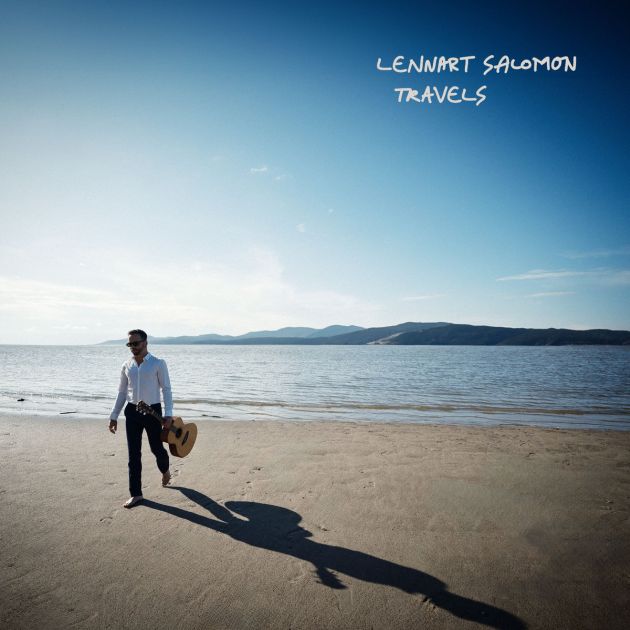
RoD: Your last album is called ‘Travels’ and is strongly inspired by your journeys. How much do these impressions, the places you have visited, shape your music?
Lennart: A lot. Travelling constantly provides new input. You gain different perspectives - on yourself, on your country, on the way you approach things. For example, street food in the Caribbean: they grill things there that we would never buy in Germany for hygiene reasons. There you think: “Great, let’s give it a try.” I want to experience new influences. I wrote a song, ‘Iceland rain’, because that country, its landscape and atmosphere impressed me greatly. The song is my outlet for processing those impressions. Every external influence is valuable. Travelling helps enormously, because you simply see more.
RoD: Are there places that particularly inspire you, or places you long to visit?
Lennart: Yes, there are quite a few. I’ve never been to Asia, and that interests me a lot - Japan, China. Thailand appeals to me less, and I don’t necessarily have to go to Bali either. But Hong Kong, Japan, Vietnam and places like that really attract me, because they are truly very different cultures. I think Iceland is fantastic, and Norway and the Norwegians as well. A place I really long to visit is Australia and New Zealand. That really appeals to me. In general, I prefer warm and bright places to cold and dark ones. But otherwise: the main thing is travelling!
RoD: You mentioned AIDA earlier, where you have just been travelling again. I believe you first performed there as a guest artist in 2022. How did that come about?
Lennart: I simply applied. During the pandemic I was talking with friends, and one of them said: “My friend works for AIDA, why don’t you apply?” At first, I thought: forget it. They want musicals - colourful, fast, loud - and I’m standing on stage alone with my acoustic guitar. That’s the complete opposite. But because of Covid they actually wanted exactly that. It takes some pressure off the ensemble. Only one person is on stage. The risk of infection is practically zero. And they wanted to try something new. So, I really did apply by email.
Because of Covid I also learned to simply set things in motion. I applied for many projects. The simple truth is: a “no” changes nothing. A “yes” can change everything. If it doesn’t work out, you just have to invest a bit of work and do some cold outreach. If something happens, that’s great. If not, nothing has changed compared to before. Doing nothing and complaining that everything is difficult makes no sense.
RoD: Performing on AIDA is certainly very different from standing on stage somewhere in a club. What makes it special for you?
Lennart: There are two levels to it. I always call it “street music with infrastructure”. I always start from zero. Nobody knows me, nobody has to stay - just like with street music. My job is to convince people that it’s worth staying. They can leave at any time. I don’t play well-known hits, and the guests are in holiday mode. Normally they watch shows with songs they know. I come along with my own material.
But I have opportunities: a big stage, a 6 × 4 metre LED wall for video projections, an excellent sound system, stage technology. Artistically I can present myself very freely - you can’t do that in a small club. Even so, I always have to win people over again, because they’re not fans. At the end of the show, you can tell whether it worked. I find that very appealing. And I also spend fourteen days in the Caribbean and play two shows at the other end of the world - not everyone can say that.
RoD: You are currently also working on new solo music - well, basically all the time? How do you plan your next releases, or do you have something in the pipeline at the moment?
Lennart: Yes, I’m currently in the recording phase. Everything runs in parallel for me. At the moment I’m working on a track that I find incredibly exciting. I’m even making a making-of video for it so that people understand why the song means so much to me.
What it’s about: I was just travelling on the ship when my best friend from Berlin called me. He writes classical and neo-classical music and said: “I’ve booked an orchestra - forty strings - and I have an hour and a half left. In ninety minutes, you can get about five to six minutes of music together. It costs amount X.” I thought: what is this? A full orchestra in a huge studio? Of course I want that. The problem was: it was too early; I didn’t have a song yet. He said: “sleep on it and let me know”.
I knew I couldn’t miss that opportunity. So that evening I wrote a song in my cabin. Then the usual doubts came up, the ones you still have even after thirty years of songwriting: Is it good enough? Is it enough? Does it work? I sent the song to my producer and musical partner in crime, Mirko Michailzik. Twelve hours later there was no reply. The next day I called again. Mirko said: “Please wait, I’m working on the string arrangement.” I just thought: seriously? I explained to him how the song had come about and he simply said: “Sure, let’s do it.”
We met in Hamburg and recorded the song live - two acoustic guitars and vocals in one room. Then we sent it to Berlin. My friend wrote a string arrangement - a complete score for conductor, first and second violins, violas, cello, double bass - forty string players. That was then recorded in Bratislava. Originally the message was: “I have an orchestra.” Then I wrote the song for it, and now there is a finished song with orchestra. We just have to mix it. The sound world of a huge orchestra - it’s simply incredible. On Monday we’re also recording drums for another song. I don’t yet know when the releases will come. First the focus is on the SONO tour and a release connected to that. After that, my solo project will be next again.
RoD: I’m really excited.
Lennart: Me too!
RoD: You mainly compose with the guitar, sometimes with the piano/synthesiser. How does it differ when you compose on different instruments, and does that change the character of a song?
Lennart: Yes, absolutely. It does. On the guitar I’m relatively limited, because I never really approached it from a theoretical perspective. The more I work on the guitar, the more that changes. With the piano I have a different approach because of the lessons I had. The architecture of the piano - every note ascending from left to right - doesn’t exist on the guitar. That’s why I compose differently on the piano. I can play, write and implement different chord connections. You can sometimes hear that in the compositions as well.
RoD: Are you someone who also listens to a lot of music yourself? Where are you musically at home at the moment - what music do you particularly enjoy listening to right now?
Lennart: I tend to go through phases. There are times when I hardly listen to music at all and only podcasts. Then again, I absorb music like a sponge - and right now I’m in a phase like that again. At the moment I enjoy listening to YOUNG GUN SILVER FOX. It’s a band in the style of Yacht Rock, heavily inspired by the 80s, handmade, with synthesisers. I think what they do is absolutely fantastic.
Then there’s an artist I find incredibly exciting, Noga Erez. She combines Hip-Hop elements with acoustic instruments and samples. Electronics and the acoustic world merge in a very interesting way in her music.
One artist who has almost replaced PRINCE for me is Theo Katzman. An incredible songwriter. I love his craftsmanship and the way he writes songs. Everything is handmade, very analogue, sometimes recorded live on tape. Every musician who plays there reaches a level of virtuosity that I will never achieve myself. But that’s not the point. The virtuosity is just a vehicle. It transports emotions and touches me in my head, my heart and my soul. That’s simply impressive.
RoD: Does something like that also inspire you when you listen to other music? Do you sometimes pick things up from it?
Lennart: Absolutely. Sometimes consciously, sometimes unconsciously. I often think: “How on earth did he do that?” I try to recreate it, and through that completely new ideas emerge. For me, inspiration mainly means that something makes you want to create something yourself. Music has always been the greatest motivation for me to create something of my own.
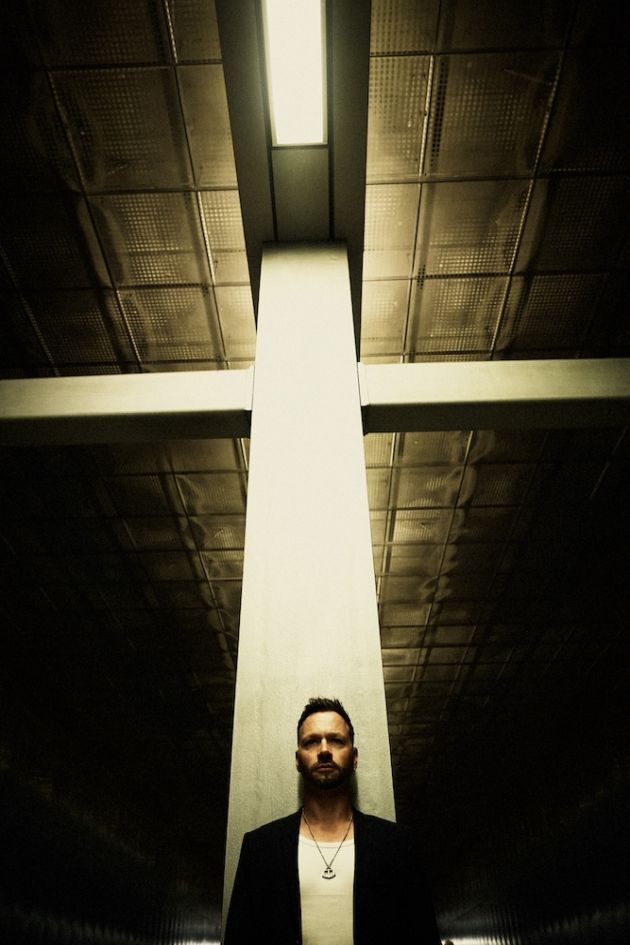
RoD: Are you someone who also likes to go to concerts by other artists, or do you prefer being on stage yourself?
Lennart: Yes, but that has changed. In the past I went to a lot of concerts. Today it happens less often that I go there as a fan and leave as a fan. I know a lot about how it all works. Sometimes that can also be disappointing. But last year I started going to concerts more often again, and this year as well.
For me, the greatest moment still remains when the house lights go down. Every time my pulse goes up to 150. When the show starts, it still gets to me every time. That hasn’t changed. I’m still a fan. Seeing a great concert while knowing how everything works is still impressive. That is still very important to me.
RoD: Are you still able to switch off in those moments, or do you listen and watch in a different way?
Lennart: That’s what I meant when I said it’s difficult to go there as a fan and leave as a fan. There are a few exceptions where I can just enjoy it. But in 90% of cases I can’t switch off the analysis. I observe how they do this or that. What is he playing and why, how does he get that sound. And often I think: “Wow, that’s great - that’s something you could try yourself.” I definitely pick up a lot of things there.
RoD: In the past you also taught - giving singing and guitar lessons. You worked as a vocal coach and gave songwriting workshops. Does teaching - passing on something about music to others - still play a role for you today?
Lennart: No, not at the moment. That was an important phase. But I still enjoy passing on knowledge. If someone asks how I did something, I don’t say “I’m not telling you” - quite the opposite.
For me, the exchange was always valuable. Above all, I learned an incredible amount myself while teaching. You suddenly realise that you take many things for granted. Then you have to strip everything back and start from zero: what am I actually doing here? In the process you become aware of the steps needed to achieve certain things. Especially when it came to playing the guitar, I had to engage with it intensively. If a student says: “I want to play this song,” I first have to analyse how it works myself. That way I dealt with topics, songs and structures that I otherwise would never have looked at.
Through teaching I learned a great deal. At the same time, I realised that it was keeping me from my actual profession: creating something myself. At some point I had to draw a line under it.
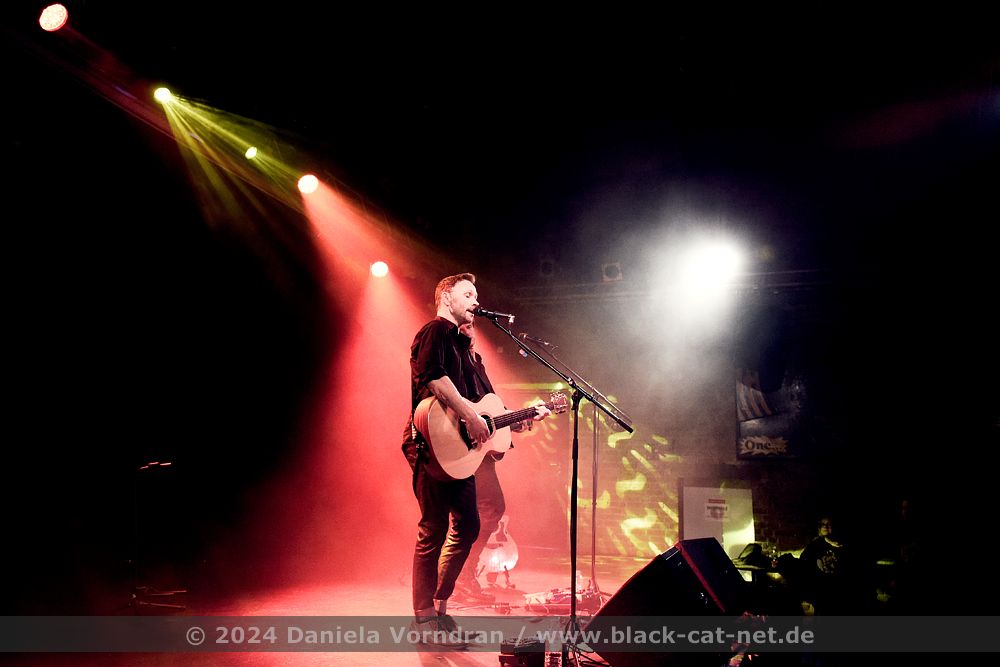
RoD: Speaking of creating things yourself. I think it is also something of a passion project for you - composing music for television formats, especially for the children’s series ‘Ein Fall für die Erdmännchen’ [A case for the meerkats]. How did that come about, and what attracts you in particular about working on this format?
Lennart: That came about through recommendations. I’m friends with Ralph Ruthe, a cartoonist. He calls himself a “joke picture artist”, although nowadays he mostly makes animated films. We became friends about twenty years ago. Ralph asked me if I could create music for a small animated film - sure, I did it.
After that he recommended me to Joscha Sauer. He is also a cartoonist and works in a similar way. He runs the website nichtlustig.de and wanted to turn his cartoons into a series. I composed the complete music for the pilot.
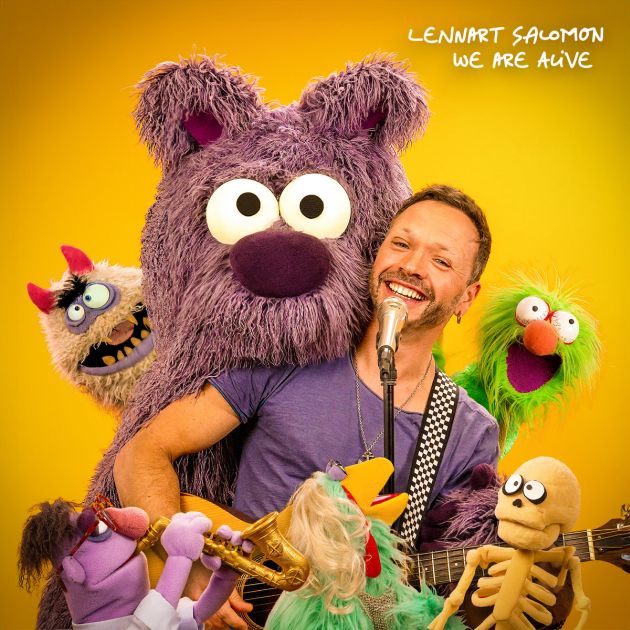
Martin Reinl voiced one of the animated characters and approached me at the premiere in Cologne. He asked whether I would like to write music for a children’s show with hand puppets. I was immediately excited about it. I’m a big fan of Jim Henson - ‘Sesame Street’, ‘The Muppet Show’. The programme was still in the development phase. I received hand-drawn scribbles - frame by frame - and started adding music to them to create a small world.
That’s how the three-and-a-half-minute episodes with Jan and Henry were created, which are broadcast during ‘Sandmännchen’. Later NDR wanted a separate format for older children, primary school age, and we have now been working on it for fourteen or fifteen years. I enjoy it enormously. I love the programme, the puppets and the work with Martin Reinl. The communication is direct and we understand each other without many words. Just like everything else, it is a passion project and working on it gives me great pleasure.
RoD: You are now also involved in a second format with or for Martin Reinl, ‘Puppen Gucken’ [peeking puppets].
Lennart: Yes, exactly. It’s a live show. Martin Reinl is touring with a puppet show - a kind of semi-improvised theatre. Some of it consists of sketches that he performs together with Carsten Haffke. The two puppeteers also play Jan and Henry, the meerkats. On stage they bring along 50-60 puppets. For this show I composed two or three pieces of music. Martin asked if I could do it - of course I wanted to. That’s how I ended up being involved in theatre as well with my music. In the current show ‘Puppen Gucken’ there is a medley of 1980s television programmes and TV theme tunes. It’s almost like a small musical number that we developed together.
RoD: Does that mean you’re also involved in the theatre performances?
Lennart: No, it’s played from tape. Unfortunately, I haven’t been able to see it live myself yet, because I was always on tour when the show was being performed around here. I hope to see it live at some point.
RoD: Earlier you mentioned that you have also written for other artists. Those were artists from very different musical genres - including Ben Zucker, Max Mutzke or Thomas D, to name just a few. Which collaboration do you particularly remember? Writing for or with other artists must differ fundamentally from songwriting for your own productions. What are the biggest differences?
Lennart: The great thing about writing with and for other artists is that I can explore musical sides that I would never perform on stage myself. A good example is Ben Zucker - musically I otherwise have nothing to do with that at all. It’s fun to immerse myself in that world.
Creating something for another artist, something authentic for them, while at the same time helping shape the creative process, is exciting. I can develop ideas that I would never have come up with on my own. Things often emerge that I would otherwise never have done. Working in genres that I would normally never have touched is also very exciting. You think: “Oh right, that’s how you could do it - cool, let’s try that.” That’s what I love about it.
And it is quite exciting when someone like Max Mutzke comes to your home - someone you previously only knew from Stefan Raab and the Eurovision Song Contest. When you write a song with him and he then stands at your microphone recording the song, you do think “wow” - okay, interesting. At the same time, you realise: these are normal guys with normal problems, and the work itself runs in a very similar, craft-based way as it does with any other musician.
RoD: You also toured as a stage musician with various people - including Max, Heinz Rudolf Kunze and Joachim Witt. You even once stood on stage with James Blunt on the show hosted by Markus Lanz.
Lennart: That’s right, yes. That was crazy.
RoD: Is that a particularly special memory for you?
Lennart: Yes, it really is, mainly because the circumstances were so extreme. At the time I was going through a phase where things were financially catastrophic and really difficult. I was doing the toughest assistant jobs, working in warehouses, just to contribute to the family finances. When you are self-employed things often go up and down, and at that moment nothing was working. I had three or four jobs at the same time when suddenly I got a request: “Can you do backing vocals on television the day after tomorrow? I’m not allowed to say for whom yet.” I said: sure, let’s do it. Two hours later the information came: “It’s James Blunt.” I just thought: whaaat? “On ‘Markus Lanz’.” Whaaat?
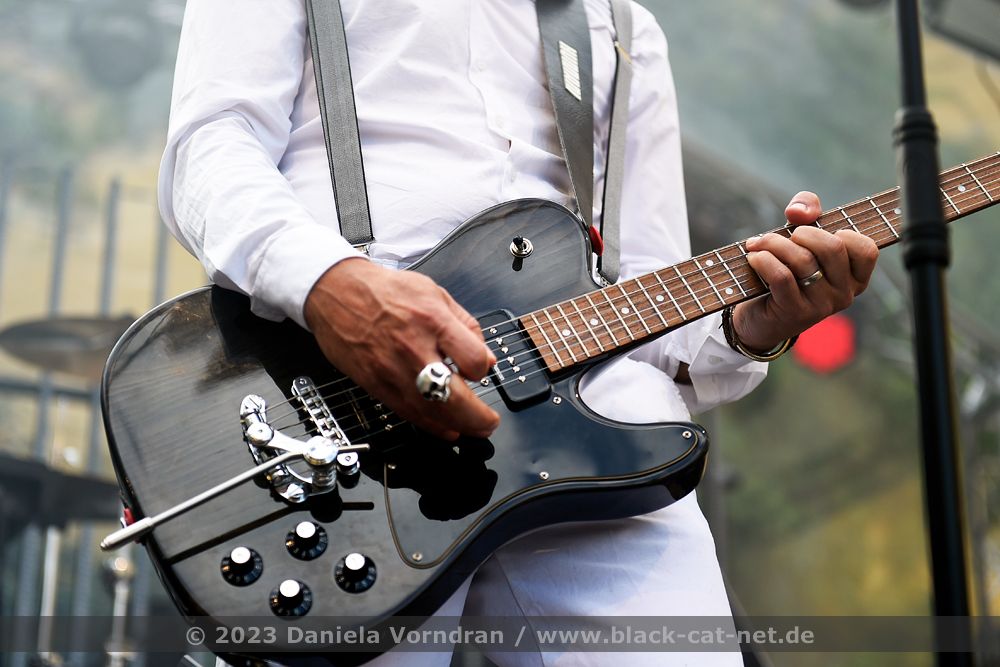
Then came the challenge: it was a four-part vocal arrangement. I received the sheet music and only had 24 hours to work out the parts one after another, record them with the piano and send them on. I was in a complete panic. Singing four-part a cappella is one thing. But analysing the score in such a short time, figuring out who sings what, and carrying the responsibility for the entire choir is something else entirely. Two hours before the show we met backstage to rehearse - fortunately everything worked immediately. Then James Blunt arrived, we quickly ran through the number once. He said: “Yes, that’s great, thanks, see you later,” and left again. The next time we met was on stage.
RoD: Had you known the song beforehand, or did you have to learn it completely from scratch?
Lennart: I heard it for the first time the day before. I then spent the whole day in a warehouse moving electric scooters from one pallet to another, and afterwards took a taxi to the TV studio to perform with James Blunt on “Markus Lanz”. That was quite absurd.
RoD: Incredible. Since we’re already talking about collaborations with other artists: you also write and perform with MORPHOSE, the music project by Christoph Schauer. Tell us how you got to know each other and what appeals to you about the concept of MORPHOSE.
Lennart: Christoph Schauer contacted me on Facebook during the pandemic and asked whether I would be open to a collaboration. I replied: yes, in principle I am. Either the song inspires me or it doesn’t. If I don’t feel anything, I’m out. If I feel something, we keep talking.
He sent me a song, I immediately had an idea and started working on it. It was during Covid and we mostly just spoke on the phone and exchanged ideas. He sent me instrumentals; I sent him the first lines of lyrics. “Fantastic, keep going,” he said, and we worked on it together piece by piece. Everything moved very quickly and on equal terms. It’s fun to make music with other people and other influences. Christoph brought in a sound world that I had never worked in before. That was exciting and inspiring. At some point a real friendship grew out of it. I value him a lot as a person, and the whole band as well.
A wonderful moment was when we played at the Kulttempel in Oberhausen. Sascha from NEUROTICFISH, Sven from SOLAR FAKE and I were backstage. That could have gone in two directions: three egos trying to outdo each other, or a genuine exchange. We talked about in-ear monitoring: “How do you do it?” - “Ah, here, try this…” It was great fun. What I particularly appreciate about MORPHOSE is that everyone works on equal terms. No one is more important or better than the others. We meet to make music together - and that’s what I love about it.
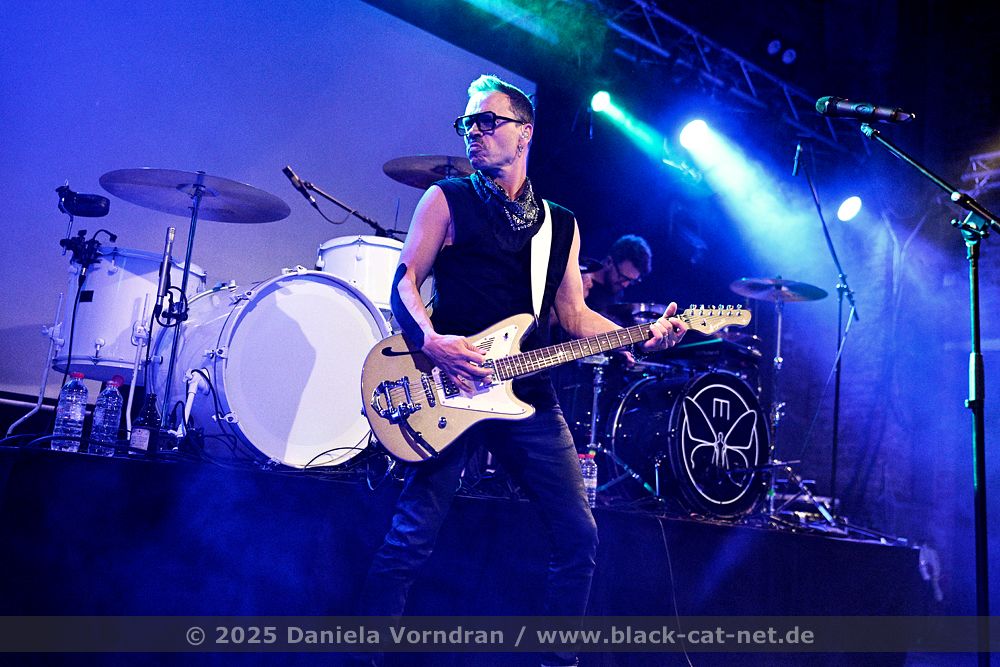
RoD: That’s also my impression when I see you all on stage together. The line-up is always a bit different anyway - depending on who is available at the time. And for me, the live shows of MORPHOSE always have a very special and unique dynamic and intensity that I don’t really know from other bands in that form. Do you feel the same?
Lennart: It’s difficult for me to compare it with other bands, because I don’t know how things work there. But I only want to work like this, and I only do work like this. It’s the same with SONO or my solo project: everyone on stage is important, everyone gives their best. If that doesn’t happen or someone is only running at half speed, I’m out. Then I might as well sit at home. I don’t have a comparison, but I know how things work with MORPHOSE and I think it’s great. I don’t know how it is with other bands, and it doesn’t interest me. I want it exactly like this.
RoD: At the last show in Braunschweig, you weren’t there. MORPHOSE are playing in Dresden on 13th May. Will you be back on stage with them then?
Lennart: Yes.
RoD: I think you have a solo concert in St. Peter-Ording the next day. That’s not a short distance. You’re still taking part?
Lennart: That’s right. But yes, I’ll be there. Oh God, am I really playing in St. Peter-Ording the next day?
RoD: According to what it says on your website, yes.
Lennart: Oh, that’s right. I’ve also looked up a train connection - somehow it will work out. It’s always my aim, actually. I’ll probably be cursing when I’m standing in St. Peter-Ording thinking, why did I do this - I’m not twenty anymore, not even thirty. But if the option is to play or not to play, I’ll always choose to play. I haven’t promoted Dresden much yet, because the focus is first on the SONO tour so that nothing cannibalises anything else. But I’ll be there.
RoD: Very nice, I’m definitely looking forward to that. Together with Christian Schottstädt, another fellow musician who is also involved with MORPHOSE and whom most people probably know from FORCED TO MODE, you are playing a campfire concert at the Eastside Festival in July. At least that’s how it’s announced. How should we imagine that? Will it be some kind of song ping-pong, or what have you planned?
Lennart: No, that announcement is a bit misleading. The plan is actually for me to play an acoustic set. Then Christian asked: “I’ll be there - do you want to do something together?” I said sure, gladly. But it’s more about one or two songs. A full duo set isn’t planned. That’s not really the idea. I’ll simply bring him on stage as a guest.
RoD: I’m almost at the end of my questions. We’ve talked about so many different things that you do. Which area of your musical work actually secures your basic income and livelihood, and what is the part that gives you the most enjoyment?
Lennart: In fact, Jan and Henry is what covers my fixed costs - the television production. Everything else comes on top of that. I don’t want to say what I enjoy most, because I wouldn’t want to give up any of it. Each kind of work is different and offers different ways of expressing myself. One doesn’t really work without the others.
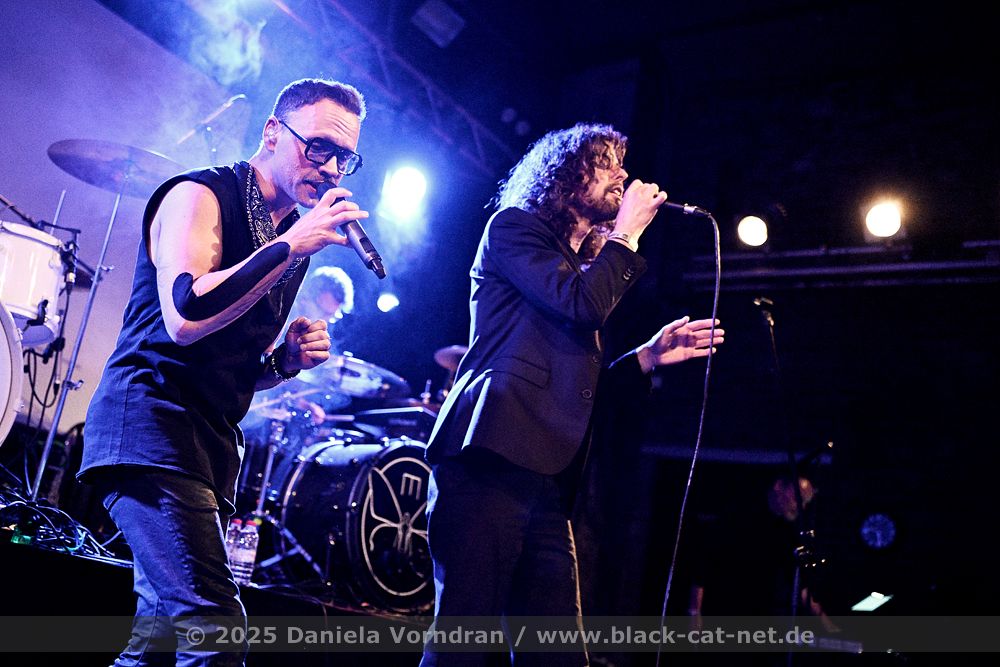
I would find it very sad if SONO no longer existed. It would be just as sad to lose the work of composing background music. Scoring for a television programme is a completely different way of composing than writing a song, because you don’t have classical song structures. Developing motifs, creating signature sounds for characters - that’s incredibly enjoyable. Through that I have learned a lot about arranging and working with orchestras. I also wouldn’t want to be without MORPHOSE. And my solo shows, simply going on stage with an acoustic guitar and doing everything myself. It’s the mix of all of it that gives me the most pleasure. Ranking them doesn’t work for me. I simply really enjoy making music. That’s why I’m very grateful for everything that works out.
RoD: Do you still have musical dreams? Are there stages or projects you would absolutely like to play or realise one day? The Royal Albert Hall - you wrote a song about it - is that the ultimate goal, or are there other things as well?
Lennart: Yes, exactly that. I would love to stand on stage at the Royal Albert Hall one day. I watch an incredible number of music documentaries and YouTube videos - a complete rabbit hole - about how things came about, how productions work, all sorts of things. I would really love to play a truly big concert, an arena or something like that. But I’m not willing to pay the price for it. All the things you have to do to get there - I’m not interested in that. So, in that sense we’re probably really in the realm of dreams.
I would also love to play a completely sold-out tour one day. Just to know: you announce the tour and people come. That’s where I want to get to. I’ve played concerts in the smallest living rooms and on the biggest stages. One doesn’t work without the other. There are stages I would absolutely like to play - the Royal Albert Hall among them. I would also really like to play at the Stadtpark in Hamburg one day; I haven’t done that yet either. In general: the sky is the limit. I hope I still have a few years left, and every stage is mine, please. There are a few stages and concert situations I no longer need. But in general, when you arrive with your crew and say, “Now we’re taking over this place”, it’s still just as much fun as it was thirty years ago.
RoD: That’s it - we’ve actually reached the end of my questions. I have nothing left. I really enjoyed talking to you.
Lennart: I’m glad to hear that. Me too.
RoD: If you’d like to add anything at the end, now is your chance.
Lennart: Go to concerts. Go into the room, go into the exchange. I think that’s really important. That interpersonal exchange, away from social media, that happens in a shared space, can’t be replaced by anything. Be brave, go along. You’ll be rewarded.
RoD: I have nothing to add to that.
Next live-dates (SONO)
10.04.26 - Rüsselsheim / Das Rind
11.04.26 - Oberhausen / Kulttempel
16.04.26 - Stuttgart / clubCANN
19.04.26 - Munic / Backstage
01.05.26 - Hamburg / Knust
02.05.26 - Berlin / Lido
08.05.26 - Leipzig / WERK2
09.05.26 - Dresden / GrooveStation
16.05.26 - Rostock / M.A.U. Club / Zabrik e.V.
24.10.26 - Erfurt / Zughafen
Tickets: https://tidd.ly/4bBt5Mc
Next live-dates (Lennart Salomon)
04.05.26 - Norderney / Inselloft
14.05.26 - St. Peter-Ording / Urban Nature
30.05.26 - Heiligenhafen / Beach Motel
06.06.26 - Barmstedt / Inselfest
04.07.26 - Halle / Eastside Festival
25.07.26 - Camp Langholz / Seeräuber Spelunke
30.07.26 - Dahme / Strandhuus
02.08.26 - Nordsee / AIDAbella
28.11.26 - Oberhausen / Kulttempel
Next live-dates (MORPHOSE)
13.05.26 - Dresden / Black Swarm Extra
Website: https://sonomusic.de / https://www.facebook.com/sonofm / https://www.lennartsalomon.de / https://www.facebook.com/lennartsalomon
Pictures by: Philipp Rathmer / Live pictures: Daniela Vorndran